
Samsung Patents a Way to Stop Login Tokens from Oversharing Your Personal Data
Every time you log into an app using a 'Sign in with Google' style button, that app gets a token packed with claims about who you are. Samsung is patenting a way to strip out the parts of that token the app probably doesn't need before it ever arrives.
What Samsung's token-trimming system actually does
Imagine you show a bouncer your full driver's license to prove you're over 21. They now know your name, address, birthday, and height, even though all they actually needed was your age. Digital login systems work the same way: when an app asks to verify your identity, it often receives a token containing far more personal information than it actually needs.
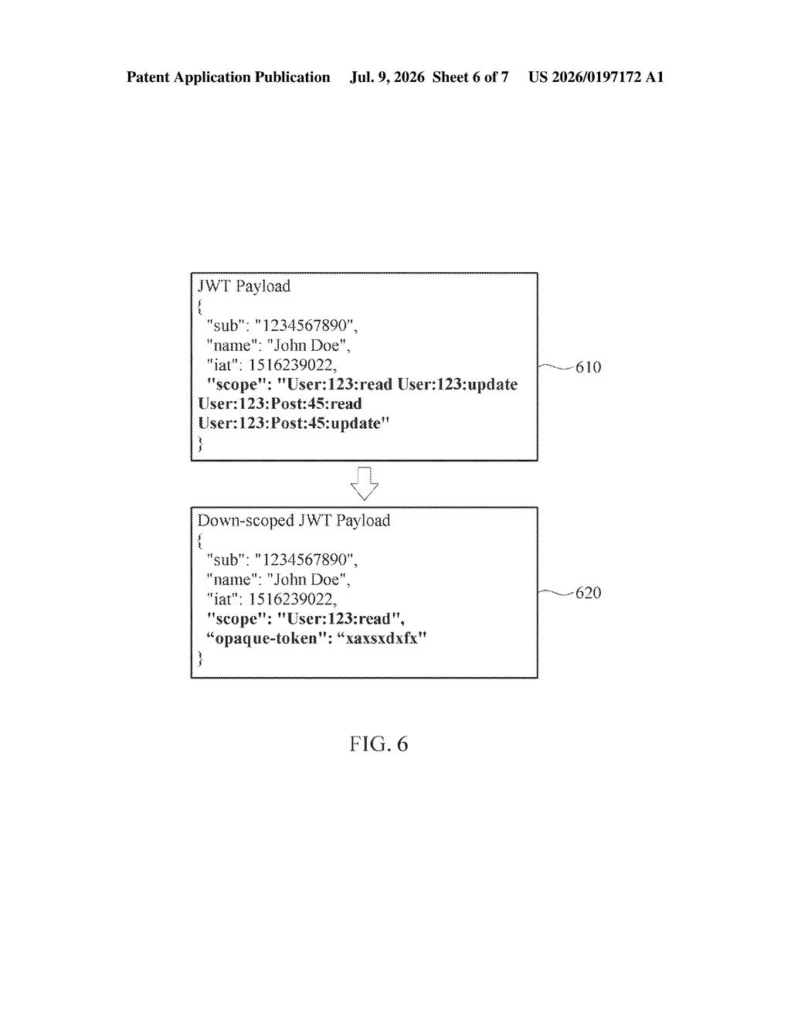
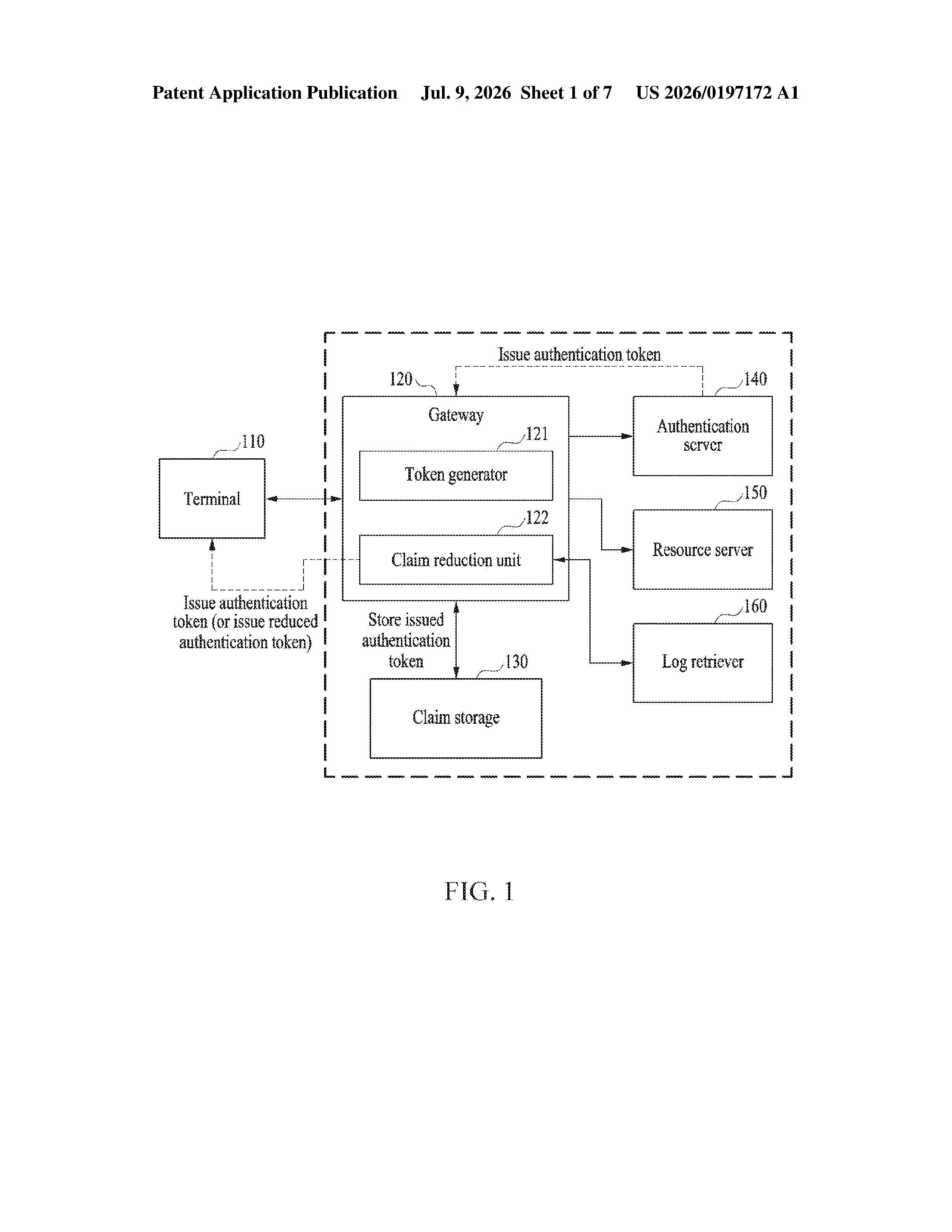
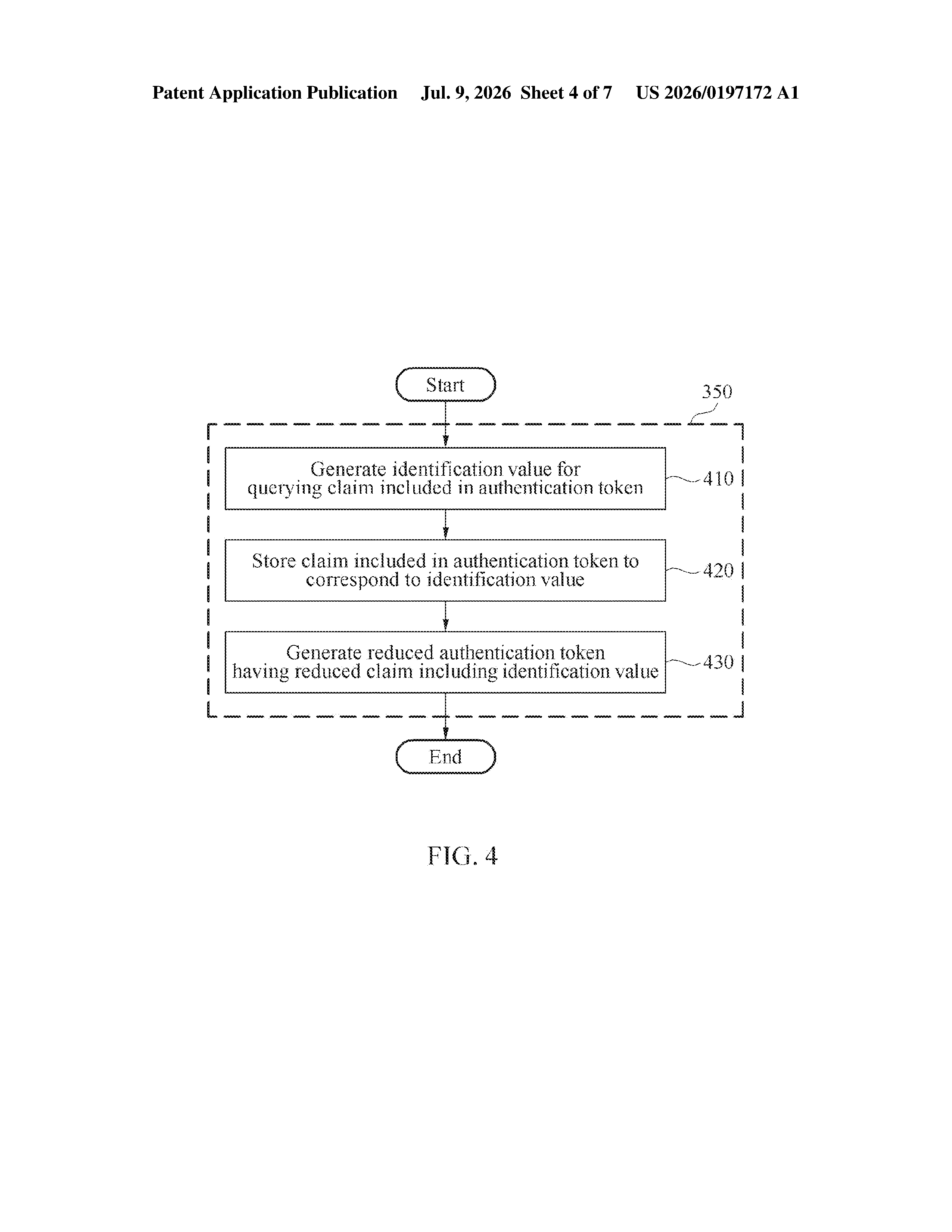
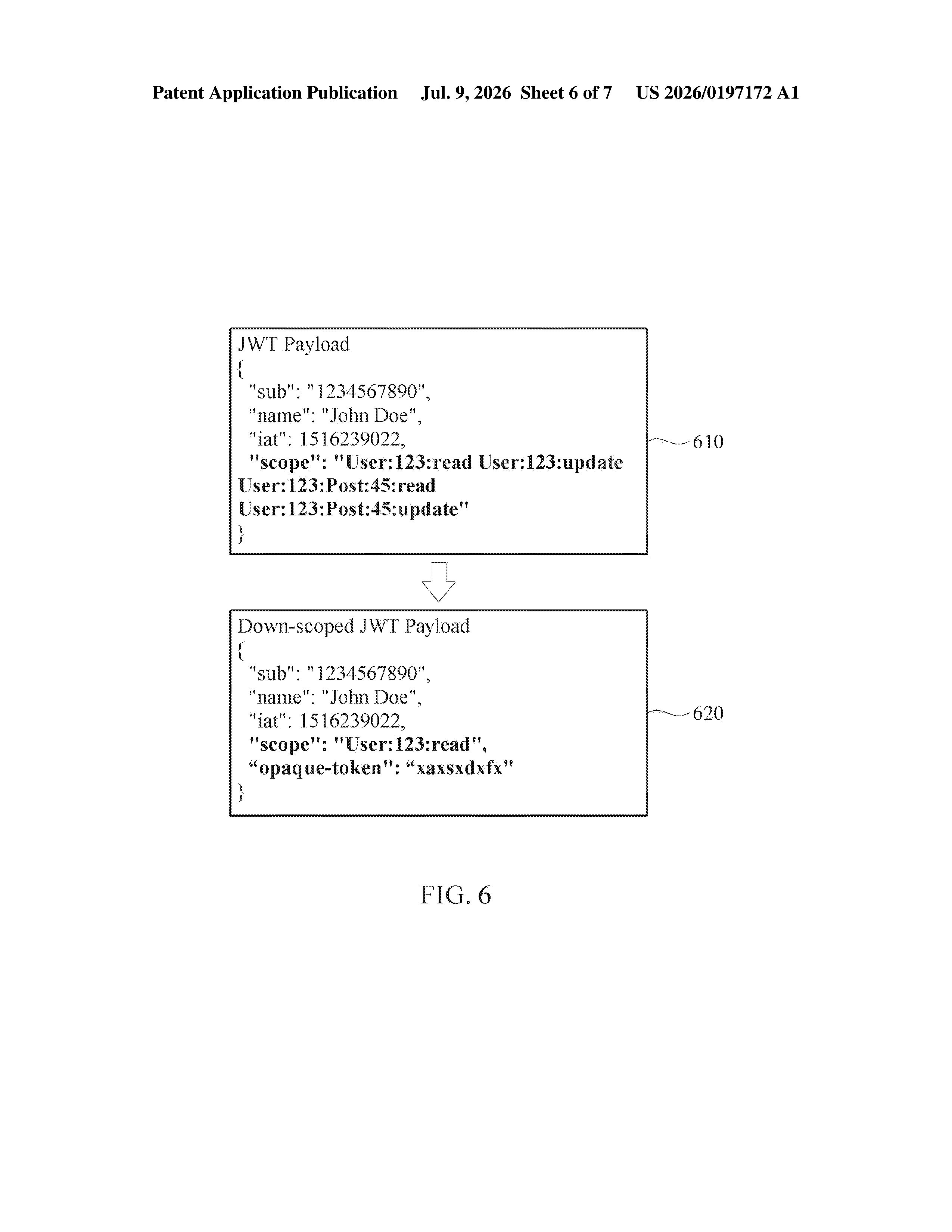
Samsung's patent describes a middleman device that sits between the app and the authentication server. When a login token comes back from the server, this device checks whether all the details inside are truly necessary. If the app only needs to know you're a valid user, but the token also contains your email, name, or account tier, the device can remove the extra claims before sending the trimmed-down token along.
The result is that the app receives just enough to do its job, and nothing more. You still log in normally; you just share less of your data in the process.
How the device intercepts and reduces a token's claims
The patent describes an authentication token claim-reduction system. In identity and security systems, an authentication token is a short, cryptographically signed packet that proves who you are. Tokens contain claims, which are individual pieces of asserted information like your user ID, email address, account role, or subscription status.
Here is how the described process works:
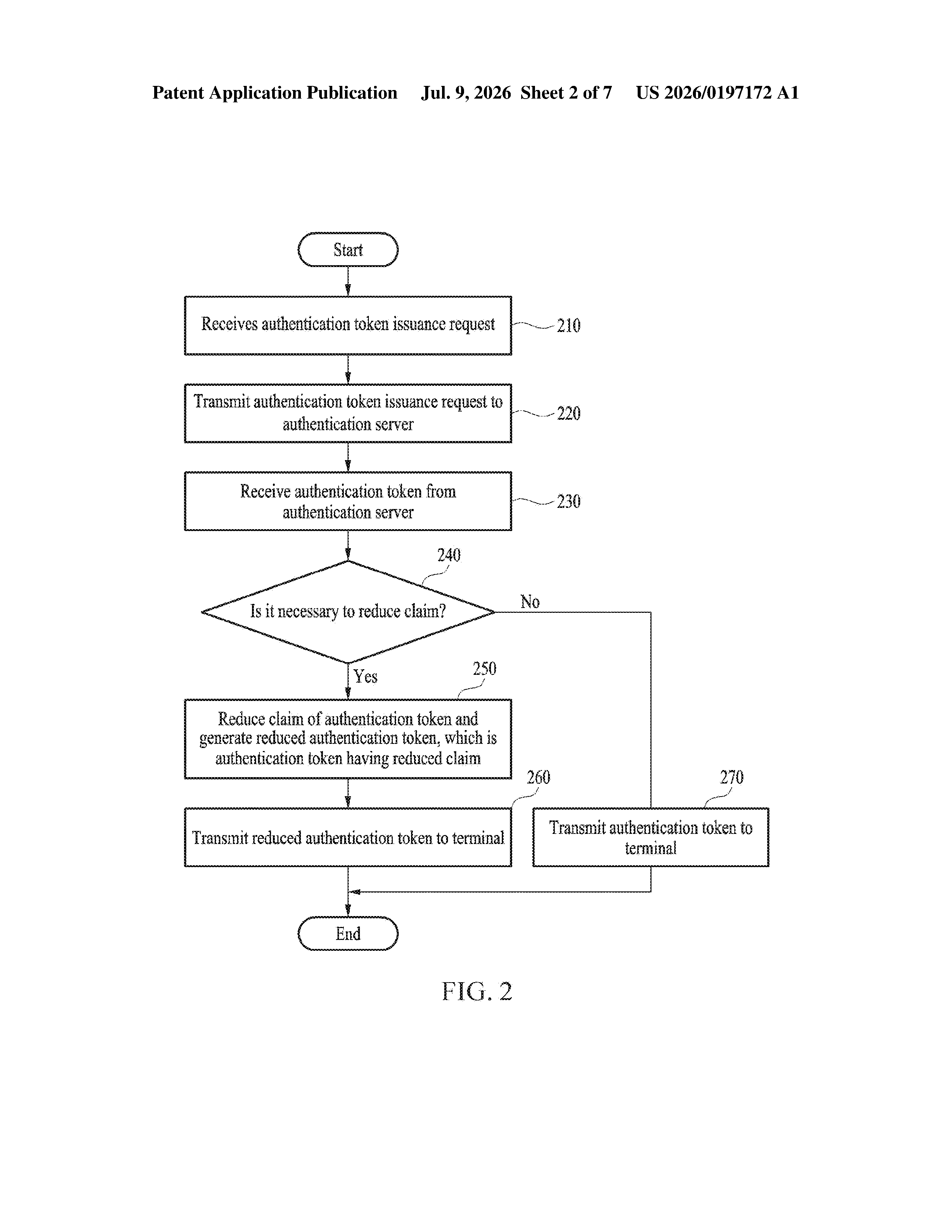
- A terminal (an app or a connected device) sends a request for a login token to Samsung's intermediary electronic device.
- That device forwards the request to a full authentication server, which issues a complete token with all the claims it normally would.
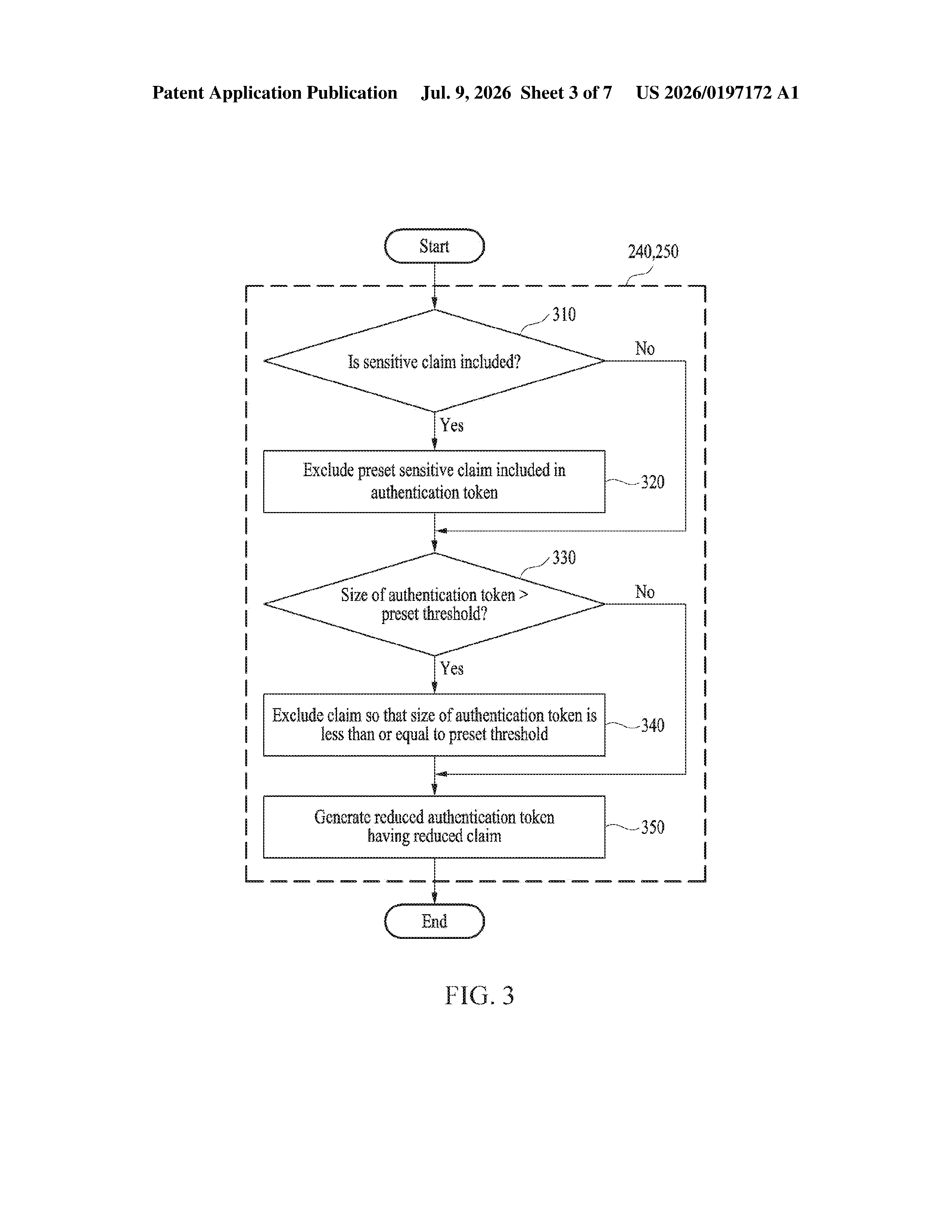
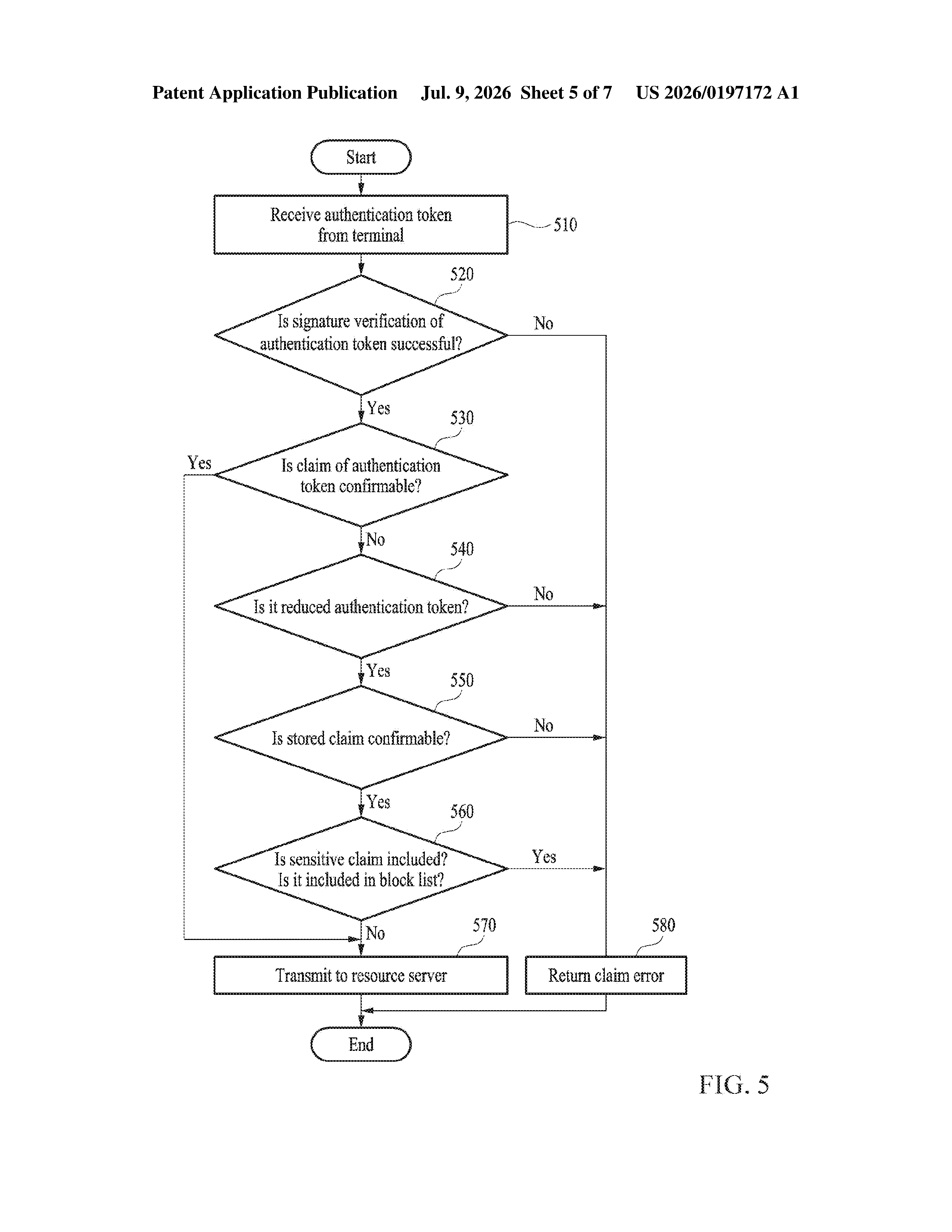
- The Samsung device then evaluates whether all those claims are actually necessary for the requesting terminal.
- If they are not, it generates a reduced authentication token by stripping out the unnecessary claims, then sends only the slimmed-down version to the terminal.
The key design choice here is that the reduction happens at the intermediary layer, not at the server. The server still issues a full token; the device acts as a policy-enforcement filter. This approach could be applied to smart home hubs, enterprise gateways, or any device that manages authentication on behalf of multiple connected apps or services.
What this means for app privacy and data minimization
The concept of data minimization is central to modern privacy regulations, including GDPR in Europe and CCPA in California. Both require that systems collect only the personal data actually needed for a given purpose. Right now, enforcing that rule at the token level is largely left to individual app developers, which means it often doesn't happen consistently.
A system that automatically trims tokens at the network or device layer would shift that enforcement out of the app and into the infrastructure, making it harder to accidentally (or deliberately) over-collect identity data. For Samsung's ecosystem of connected devices, including phones, smart TVs, and home appliances, this could become a built-in privacy layer that operates below the level of any individual app.
This is a quiet but genuinely useful privacy patent. The idea of enforcing data minimization at the token layer rather than trusting each app to do it correctly is practical and aligns with where regulators are pushing the industry. It is not flashy, but it is the kind of infrastructure work that, if it ships, actually changes how much personal information leaks into third-party apps every day.
Get our take in your Top Stories
Liked this breakdown? Add Patentlyze as a preferred source on Google, and our plain-English take shows up more often in your Top Stories the next time Samsung patent news breaks.
There are more where this came from
We read every patent application Big Tech publishes and send you the ones worth knowing. Plain English, free, every week.
The drawings
7 drawing sheets from US 2026/0197172 A1 · click any drawing to enlarge
Want this weekly breakdown for a company we don't cover? Patentlyze Pro →