
IBM's New Patent Lets Your Phone Tell Nearby Cameras to Stop Recording You
Imagine walking into a store and your phone automatically tells the security cameras not to record you. That's the core idea behind IBM's latest privacy patent.
What IBM's opt-out privacy signal actually does
Picture this: you walk into a hotel lobby, a retail store, or an office building, and somewhere in the room there's a camera, microphone, or sensor logging everything it picks up. You had no idea, and you certainly didn't agree to it.
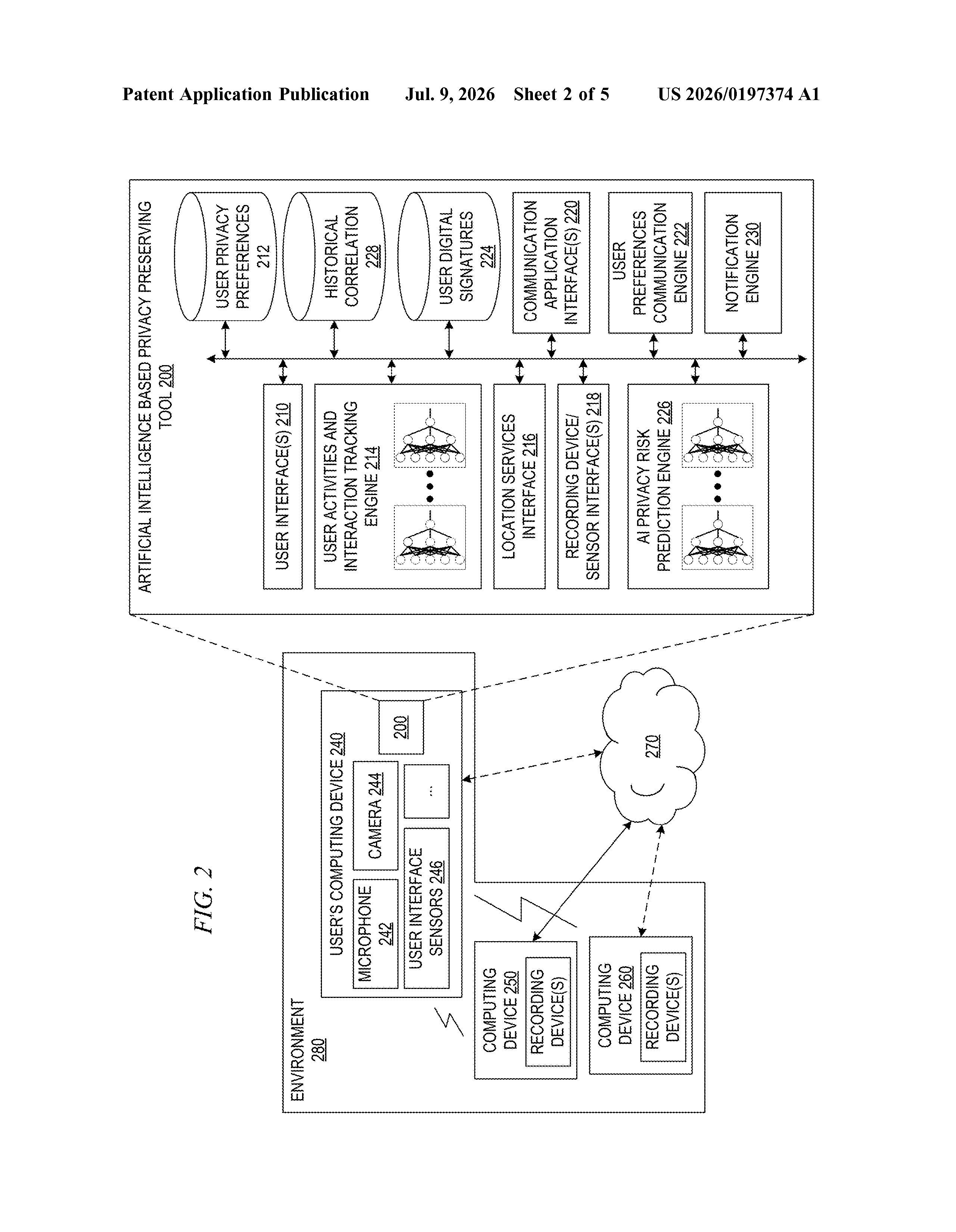
IBM's patent describes a system where your phone listens for a broadcast signal coming from one of these data-collection devices, the same way your phone might detect a nearby Bluetooth speaker. If you've set your preferences to reject being recorded, your phone sends a kind of digital "skip me" tag, called a user signature, to that device. The device then filters out anything linked to you when it records.
Think of it like a Do Not Call registry, but for physical spaces and in real time. Instead of filling out a form after the fact, your phone handles the opt-out automatically, the moment it detects a device that could be watching or listening.
How your phone sends a 'skip me' signal to data collectors
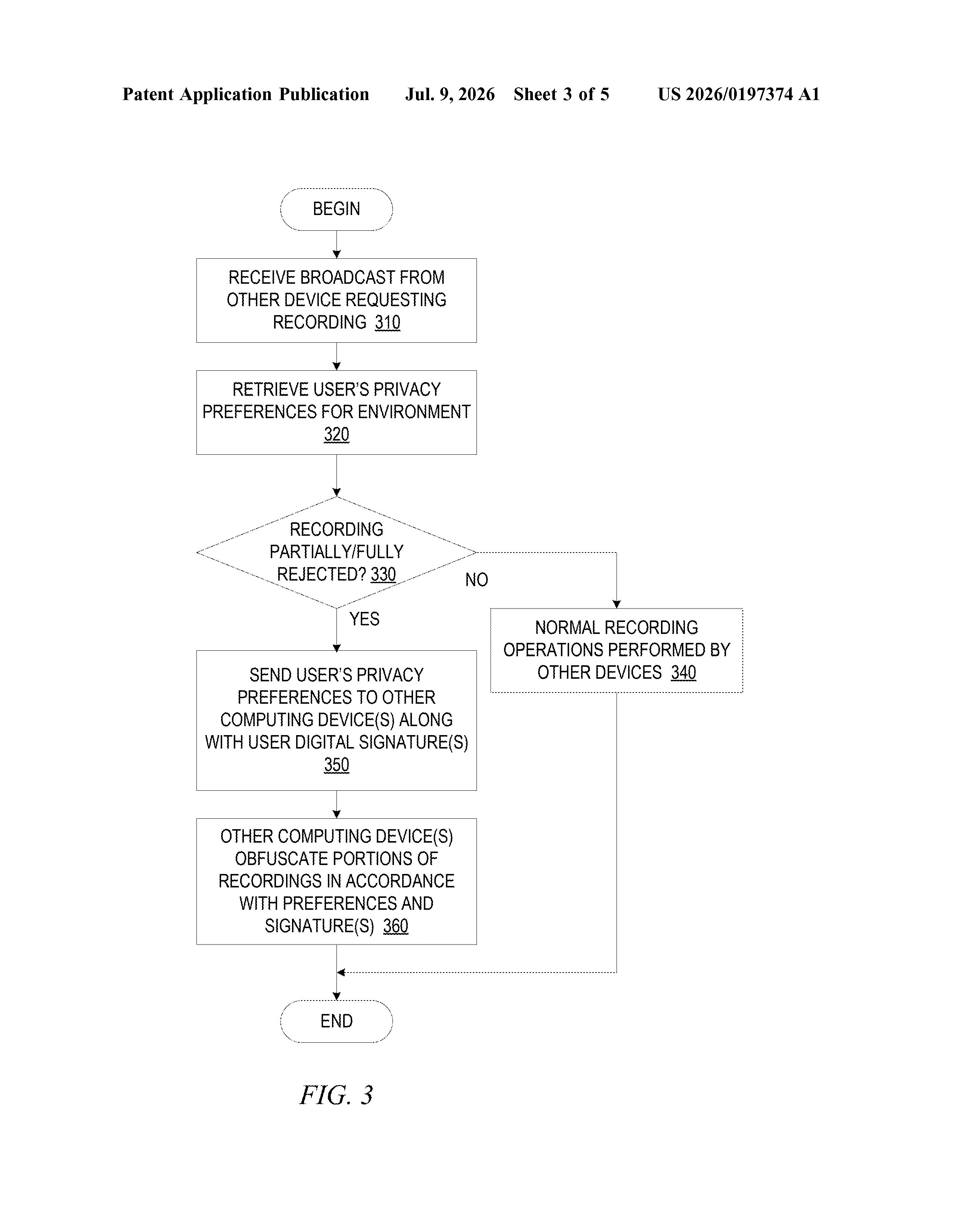
The system works in three steps. First, a data collection device (a smart camera, microphone array, or environmental sensor) broadcasts a signal announcing its presence, similar to how a Wi-Fi router or Bluetooth device advertises itself to nearby phones.
Second, the user's phone receives that broadcast and checks against the user's stored privacy preferences. If the user has chosen to opt out of data collection, the phone moves to the next step automatically, no manual intervention required.
Third, the phone transmits a user signature to the data collection device. A user signature is essentially a unique identifier tied to that person, which could be a biometric marker, a digital token, or another recognizable pattern. The patent instructs the receiving device to exclude any data matching that signature from its recordings.
- Device broadcasts presence signal
- User's phone checks privacy preferences
- Phone sends a "do not record" identifier to the device
- Device filters the user out of its recorded data
The patent focuses on "monitored environments", spaces where data collection is happening but where users may not have explicitly consented.
What this means for surveillance in public spaces
Right now, if a business is recording activity in a space you enter, your main recourse is to leave or to complain after the fact. This patent proposes flipping that dynamic so that your device actively negotiates your privacy with their device, before any data is captured about you. That's a meaningful shift from passive exposure to active control.
For IBM, which sells enterprise software and AI infrastructure to large organizations, this kind of system also has a business-to-business angle: companies deploying sensors in workplaces or retail environments could use it to demonstrate compliance with privacy regulations. Whether the data collection device actually honors the opt-out request is, of course, a separate question the patent doesn't fully answer.
This is a genuinely interesting idea that runs into a hard practical wall: it only works if the device doing the recording is designed to accept and honor the opt-out signal. A bad actor's camera won't participate. Still, as a framework for privacy-respecting enterprise deployments, where companies have real regulatory incentives to comply, IBM might be onto something worth building.
Get our take in your Top Stories
Liked this breakdown? Add Patentlyze as a preferred source on Google, and our plain-English take shows up more often in your Top Stories the next time IBM patent news breaks.
There are more where this came from
We read every patent application Big Tech publishes and send you the ones worth knowing. Plain English, free, every week.
The drawings
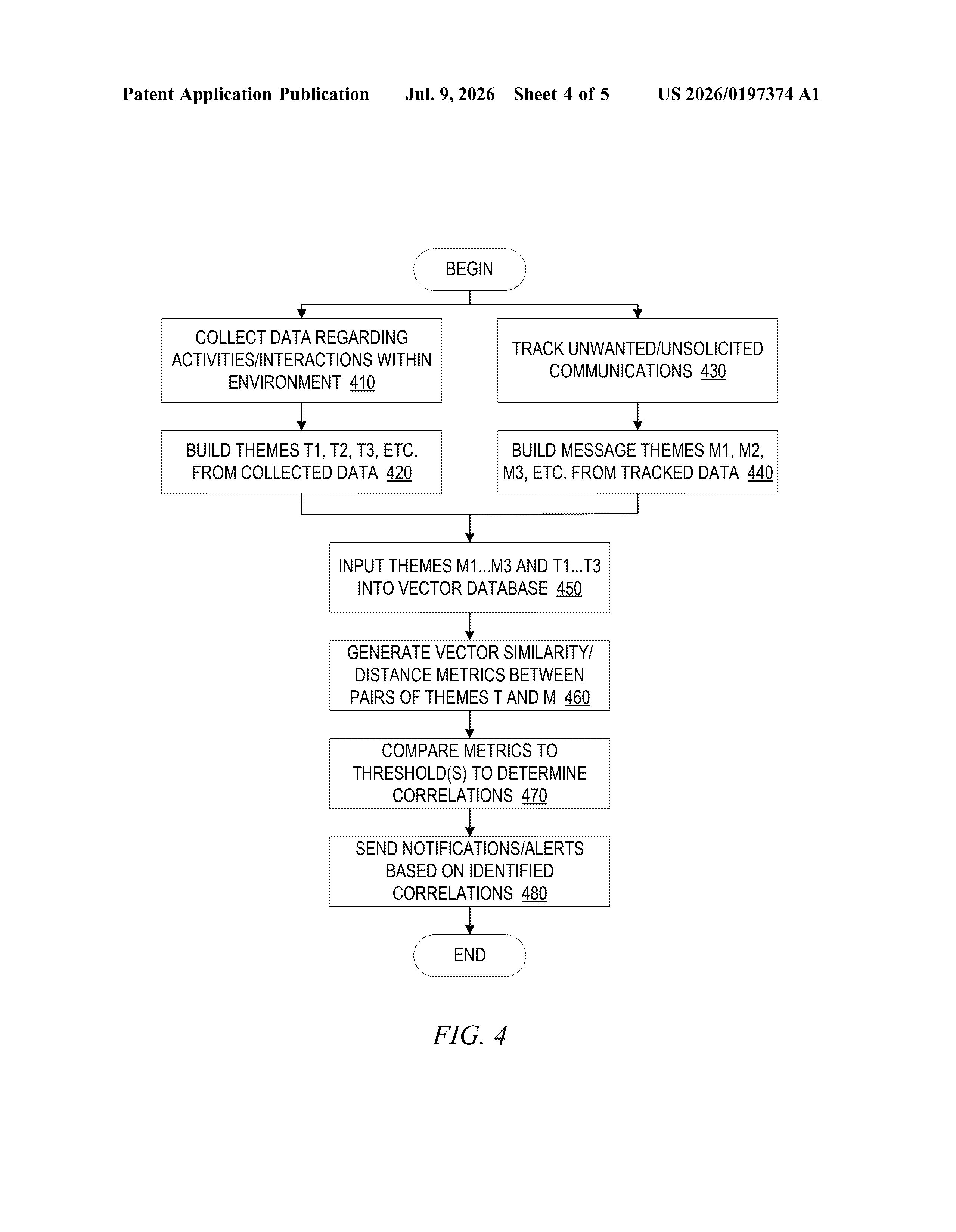
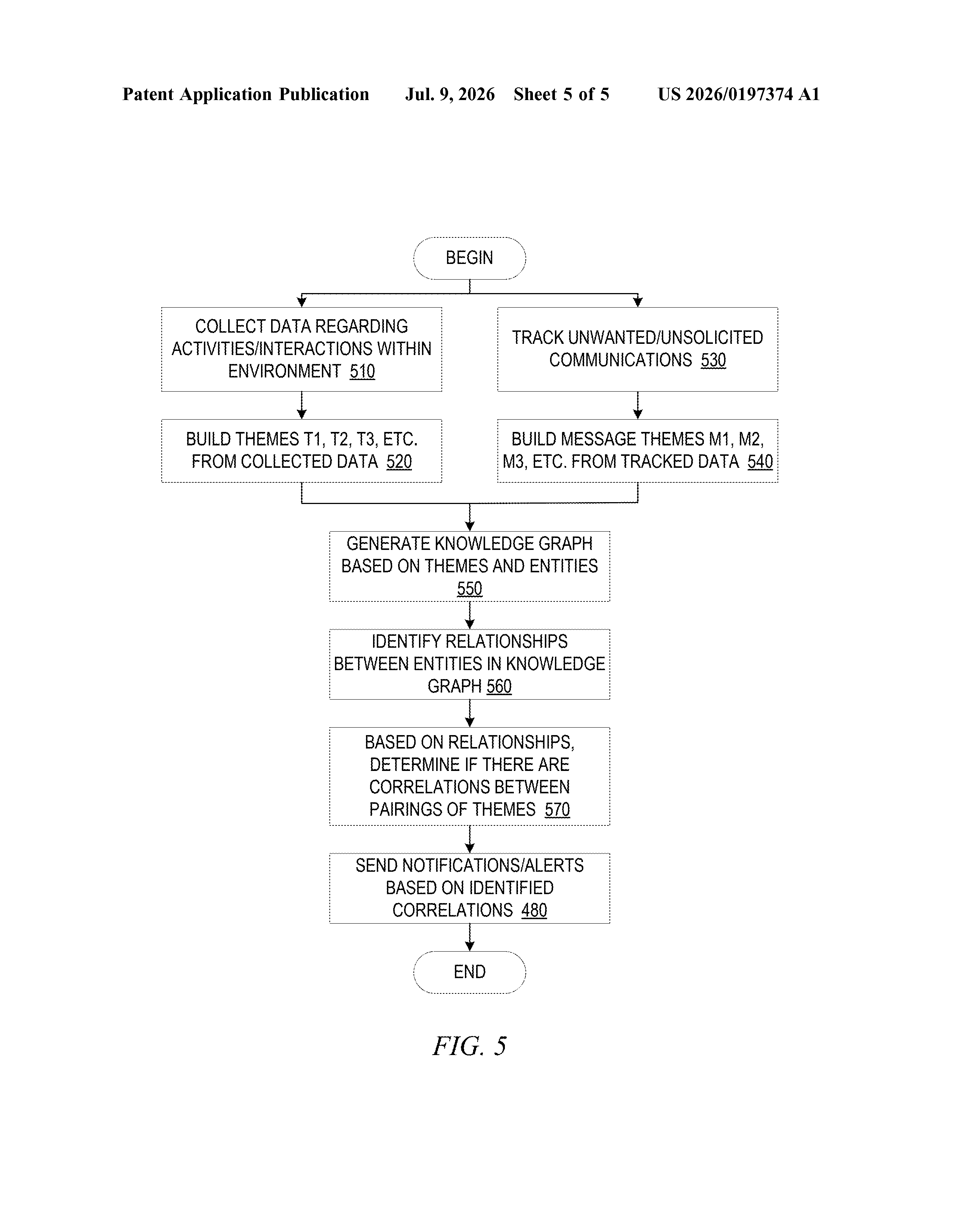
5 drawing sheets from US 2026/0197374 A1 · click any drawing to enlarge
Want this weekly breakdown for a company we don't cover? Patentlyze Pro →