
Samsung Patent Splits Federated AI Model Training Between Phones and Towers
Samsung has filed a patent describing a system where your phone helps train an AI model directly through a cell tower, without your raw data ever leaving your device. The twist: each phone gets a customized training assignment based on how good its signal is.
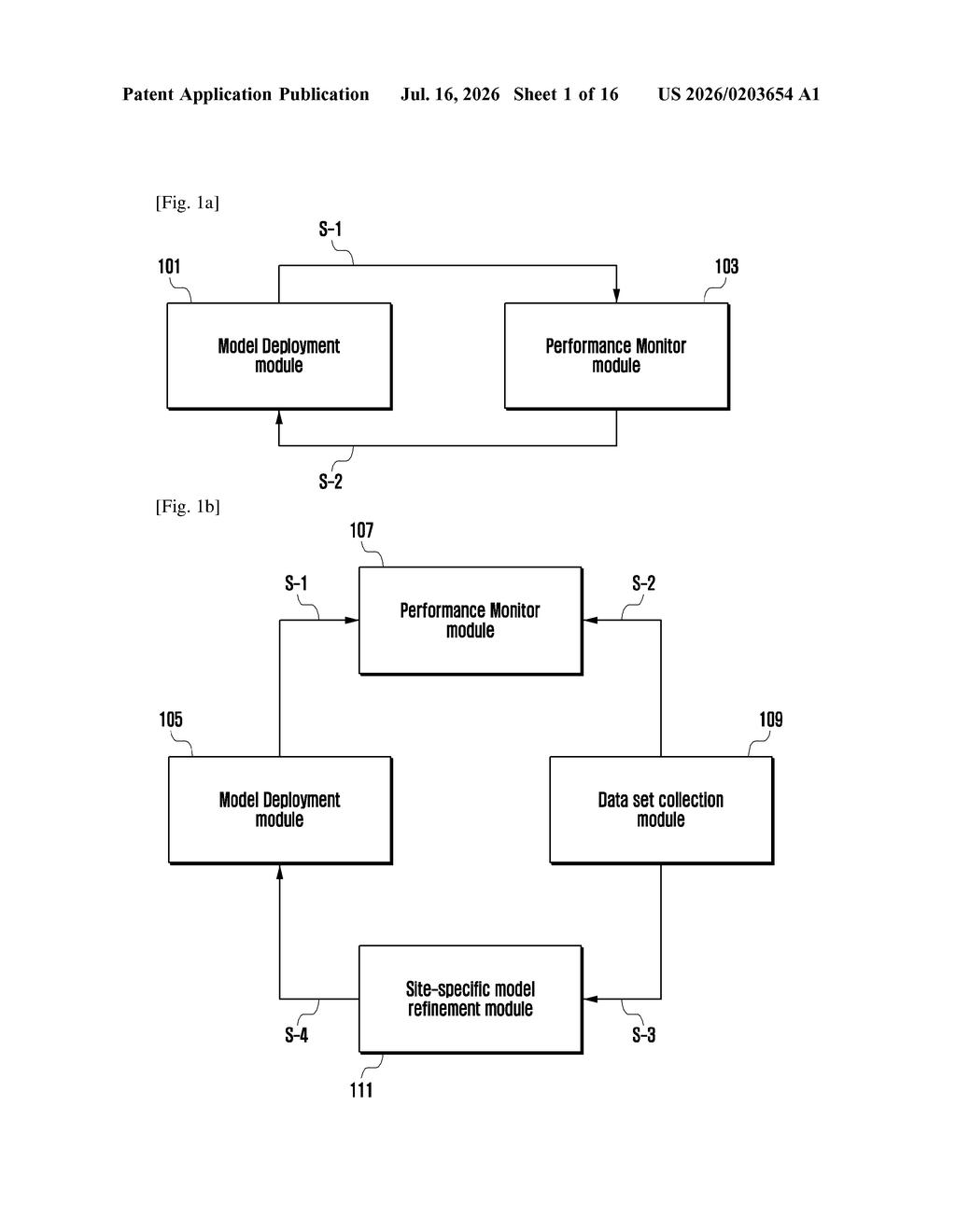
How Samsung's cell-tower AI training actually works
Imagine a company wants to train an AI model but doesn't want to collect everyone's private data on a central computer. Instead, it sends a half-finished model to thousands of phones, each phone does a little training using its own data, and then only the updated model weights (not the raw data) get sent back. That idea is called federated learning, and it's already used in things like keyboard autocorrect.
What Samsung's patent adds is a smarter way to run that process over a real mobile network. The cell tower checks which phones are powerful enough and have a strong enough signal, then assigns each eligible phone a different training job tailored to its connection quality. Phones with a weak signal get lighter tasks; phones with a strong connection can do more.
The finished mini-updates from all the participating phones are collected by the tower and forwarded to a central server, which stitches them into one improved global AI model. Your personal data never leaves your phone.
How the base station picks phones and assigns training tasks
The patent describes a protocol where a base station (a cell tower) acts as the coordinator between a central parameter server (the AI headquarters) and a large group of user devices (UEs, or phones).
Here's the sequence the patent spells out:
- The parameter server sends the base station a partially trained AI model and asks it to run a round of local training.
- The base station collects two pieces of information from nearby phones: a capability report (battery, compute power) and a CSI report (Channel State Information, which measures how strong and reliable each phone's radio connection is at that moment).
- Using both signals, the tower picks which phones should participate and assigns each one a Federated Learning Training Configuration (FLTC), a custom set of instructions that controls how much training that specific phone needs to do.
- Each phone trains the model locally using its own data plus the FLTC, then returns its updated model to the tower.
- The tower bundles all the locally trained models and forwards them to the parameter server, which merges them into a single improved global model.
The key design choice is that the training configuration is not one-size-fits-all. A phone on a congested or weak signal gets a lighter workload; a phone on a clean, fast link can contribute more. This lets the system extract useful training from many devices without choking the network or draining low-signal phones.
What this means for AI on future 5G networks
Federated learning is already a real technique, but running it efficiently over a live cellular network is genuinely hard. Signal conditions change second to second, and asking every phone to do the same amount of work regardless of connection quality wastes bandwidth and kills batteries. Samsung's approach of tailoring the training task to each phone's real-time radio conditions is a practical engineering answer to that problem.
For 5G and future 6G networks, where AI models are increasingly expected to run at the network edge (inside towers, not just in cloud data centers), this kind of coordinated on-device training could matter a lot. It also fits neatly with growing regulatory pressure to keep personal data local rather than uploading it to central servers.
This is solid infrastructure-level patent work, not a consumer feature you'll ever notice directly. Samsung is staking out territory in how AI gets trained at the network edge, which is a real and active area of competition between chipmakers, carriers, and phone manufacturers. It's worth watching as a signal of where Samsung thinks 6G-era network AI is going.
Get our take in your Top Stories
Liked this breakdown? Add Patentlyze as a preferred source on Google, and our plain-English take shows up more often in your Top Stories the next time Samsung patent news breaks.
There are more where this came from
We read every patent application Big Tech publishes and send you the ones worth knowing. Plain English, free, every week.
Want this weekly breakdown for a company we don't cover? Patentlyze Pro →