
Tesla Patent Replaces Battery Metal Tabs With a Folded Electrode Edge
Tesla is filing patents on a battery electrode design that folds the metal foil into a hem along its edge, eliminating the small metal tabs that have historically been a bottleneck in high-performance battery cells.
What Tesla's hemmed electrode actually changes inside a battery cell
Imagine a roll of paper towels. Inside a cylindrical battery cell, something similar is happening: thin sheets of metal foil coated with chemical material are wound tightly into a roll. Traditionally, small metal tags called tabs are welded onto that foil to conduct electricity in and out of the roll. Those tabs are fiddly to attach, can be weak points, and limit how fast current can flow.
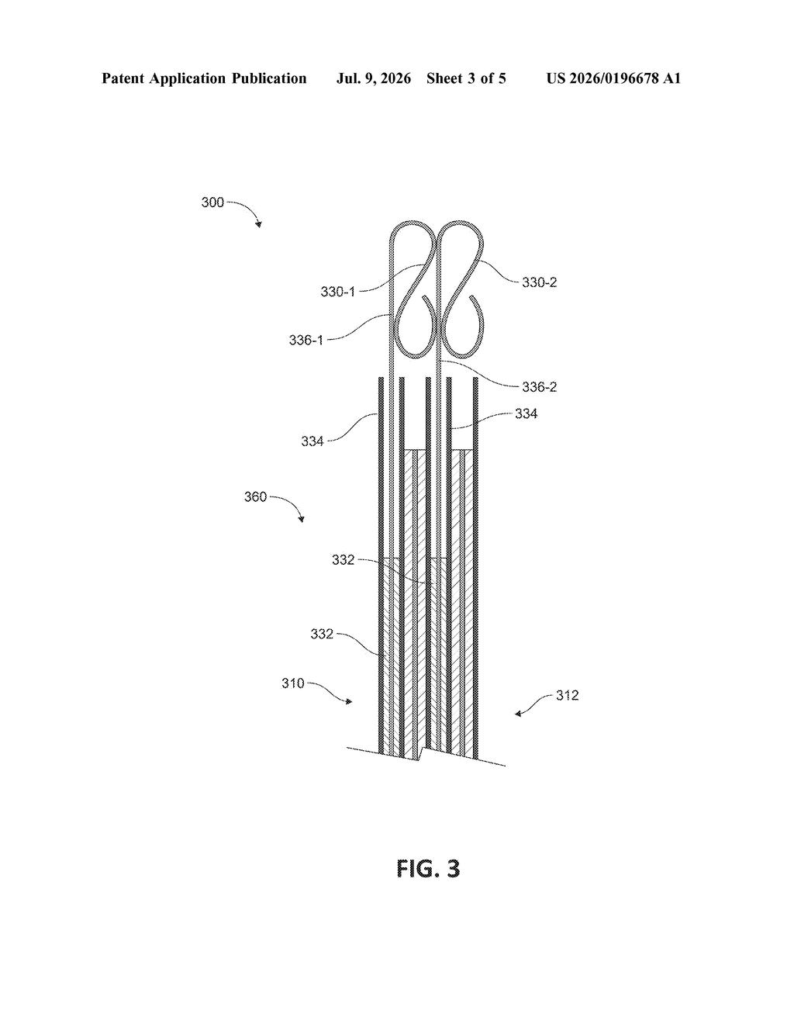
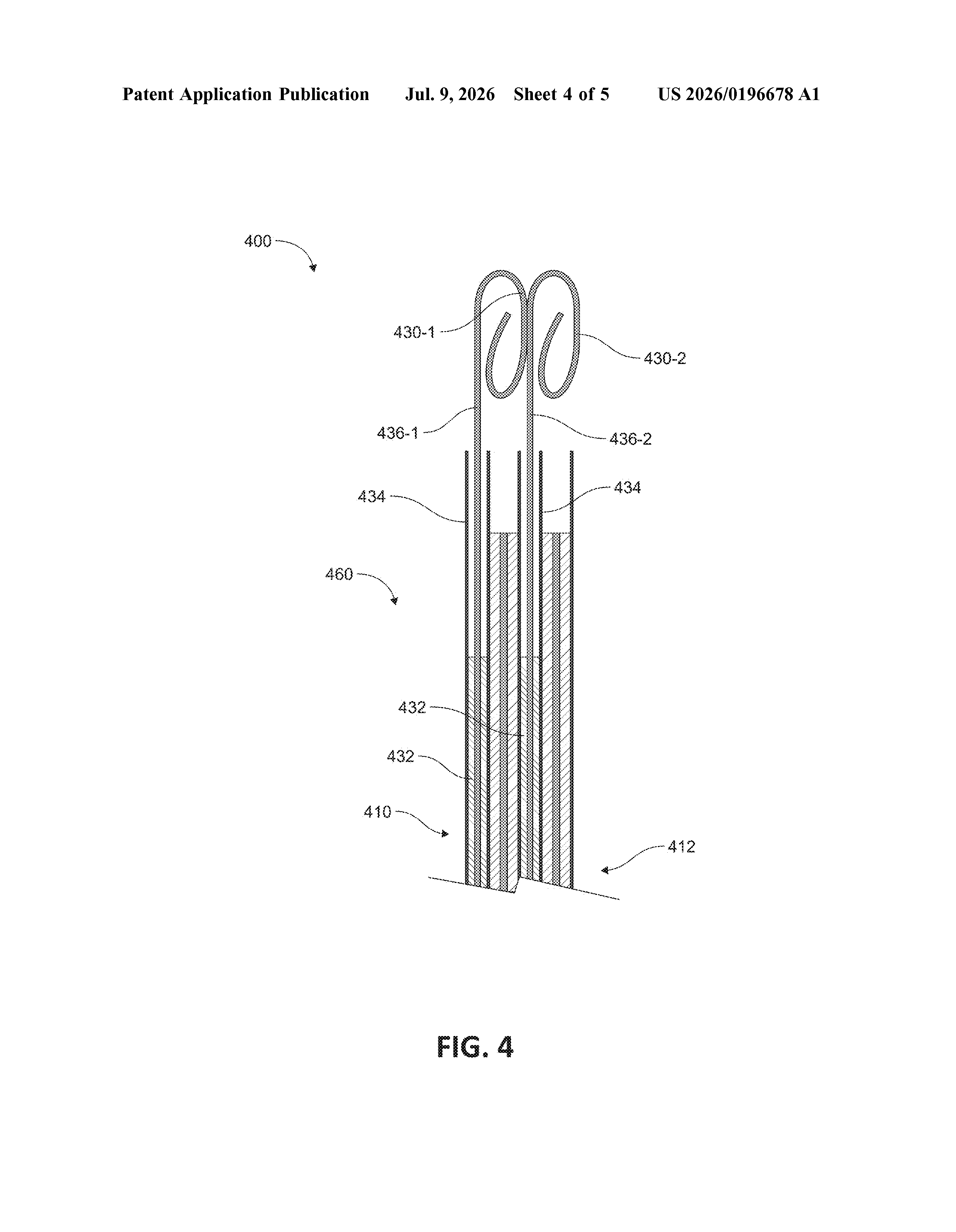
Tesla's patent describes folding the edge of the metal foil over on itself, like hemming the cuff of a pair of trousers. That folded edge sticks out beyond the coating material and runs the entire length of the wound roll, so every layer of the winding touches the next layer's hem directly.
The result is that electricity can flow out along the whole edge of the roll rather than through a few small tabs. A separate collector piece then attaches to that continuous hemmed edge. It's a cleaner, potentially more reliable connection that could allow faster charging and better power delivery.
How the folded foil edge carries current without tabs
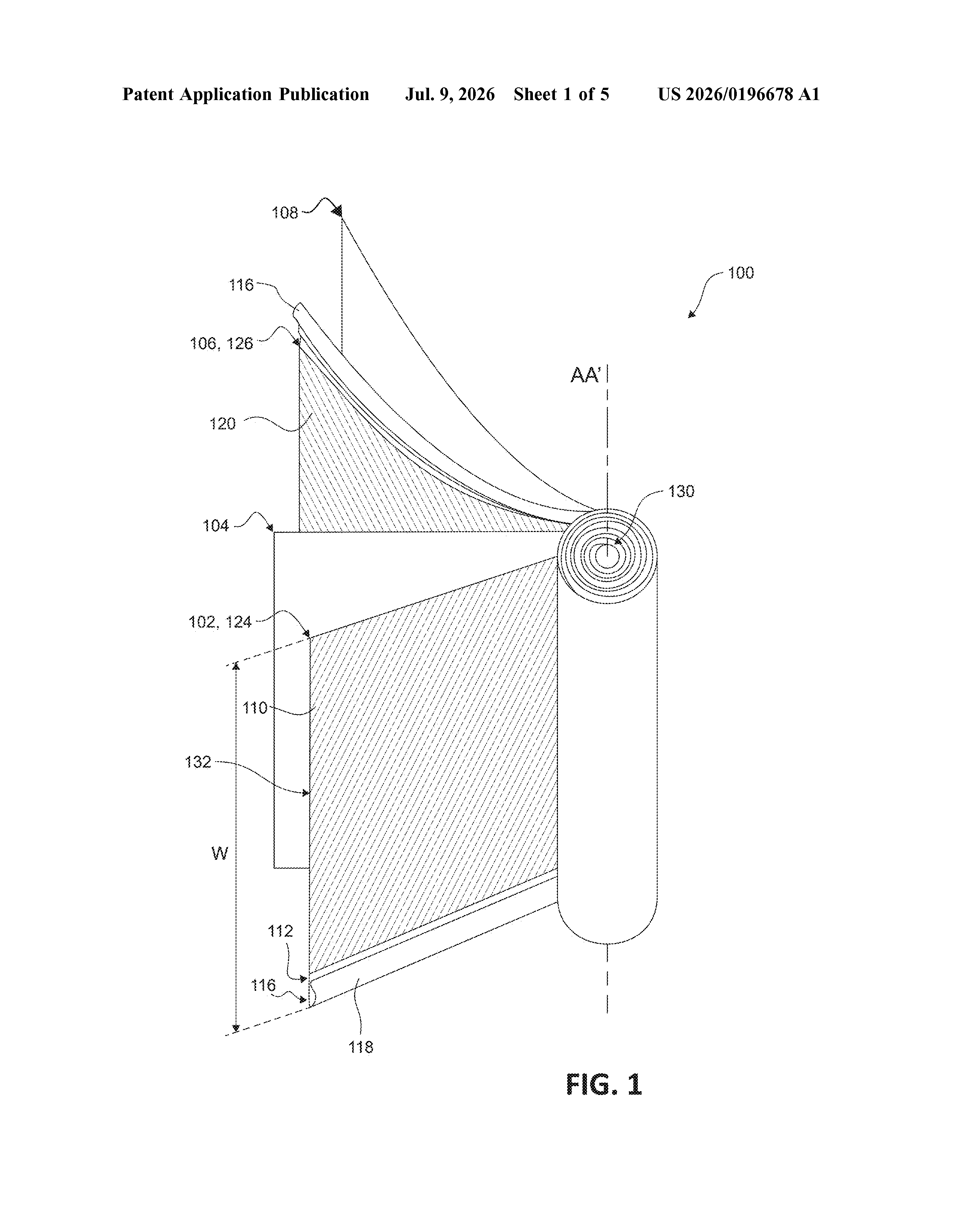
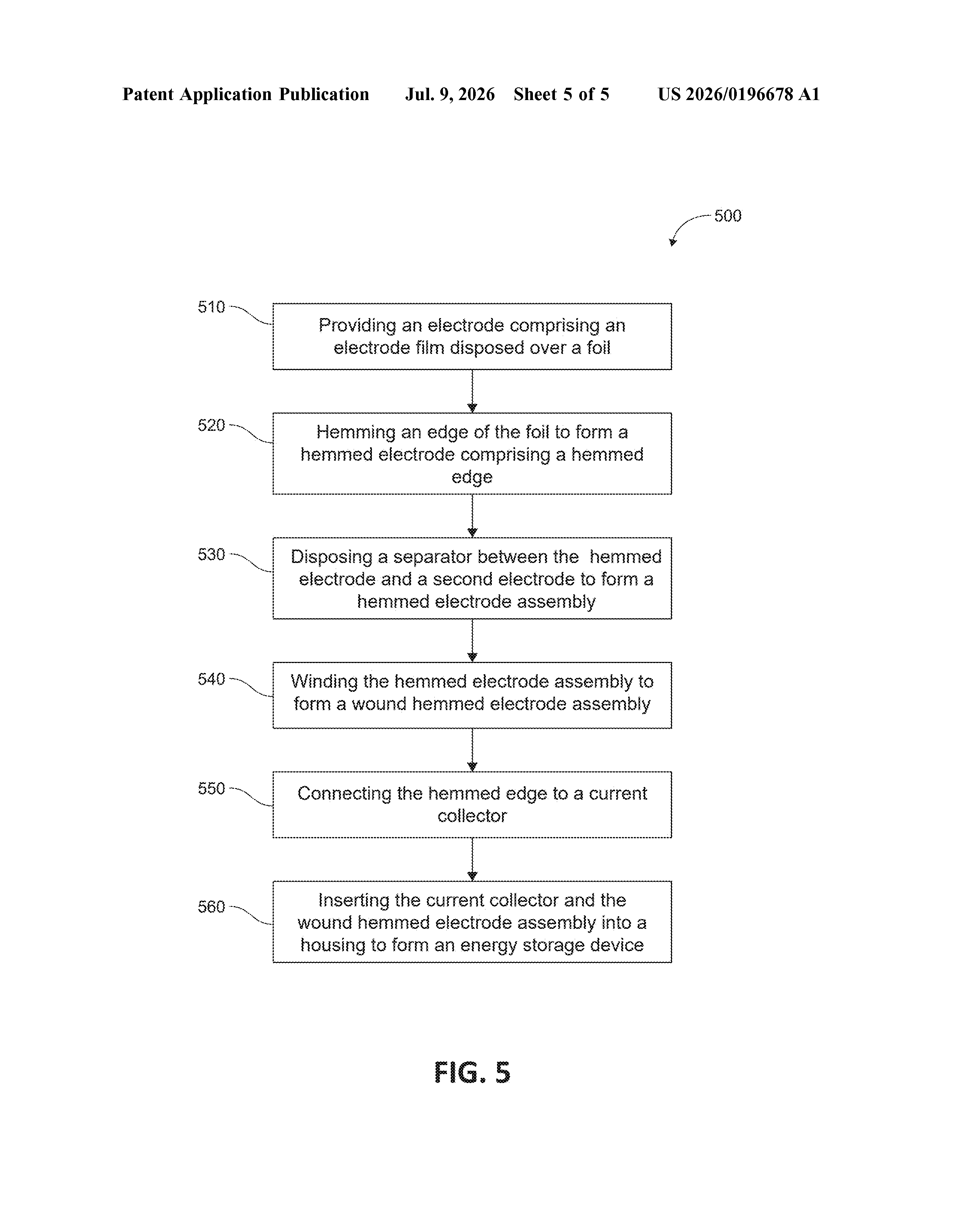
The patent describes a wound hemmed electrode assembly, the core component inside a cylindrical battery cell.
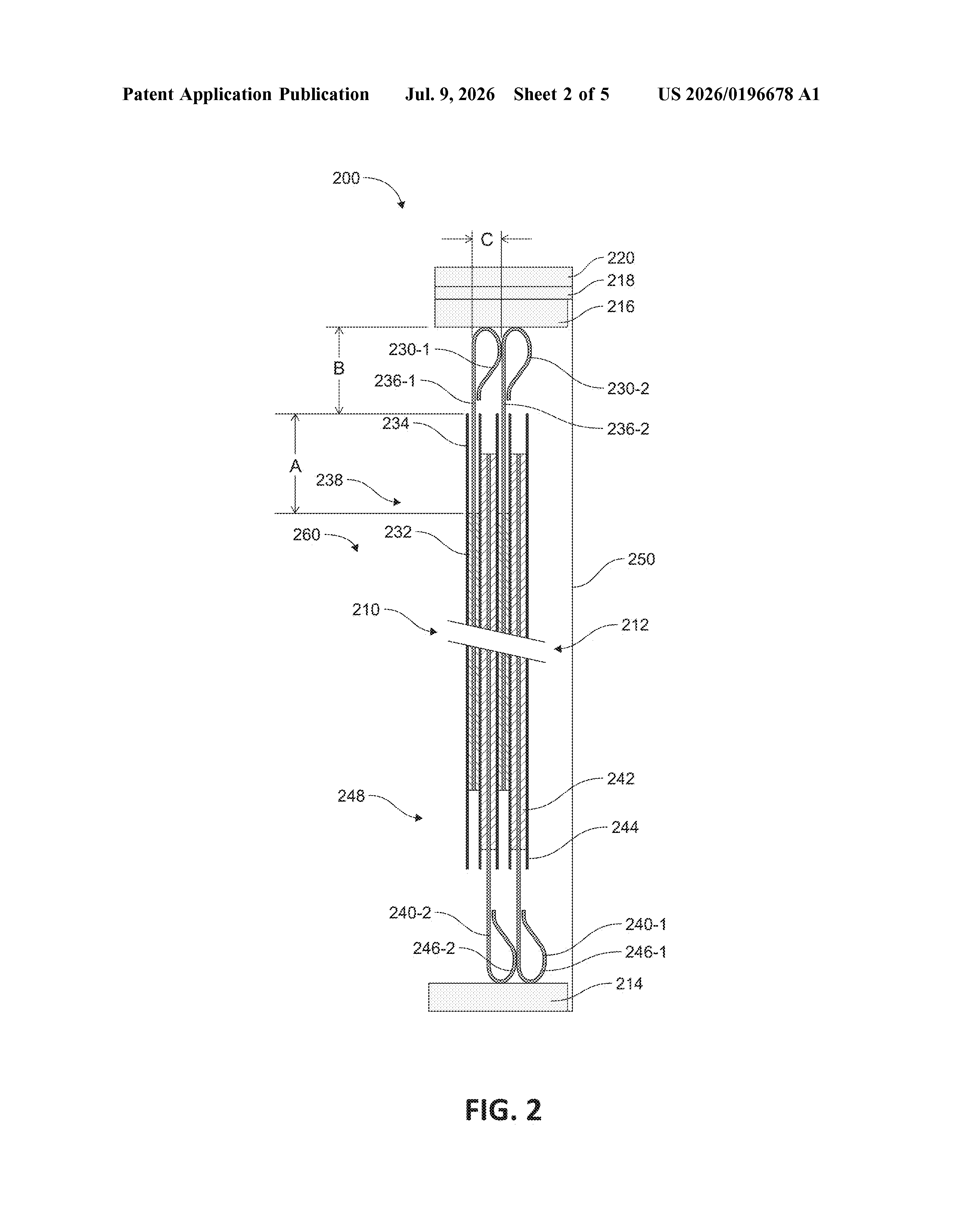
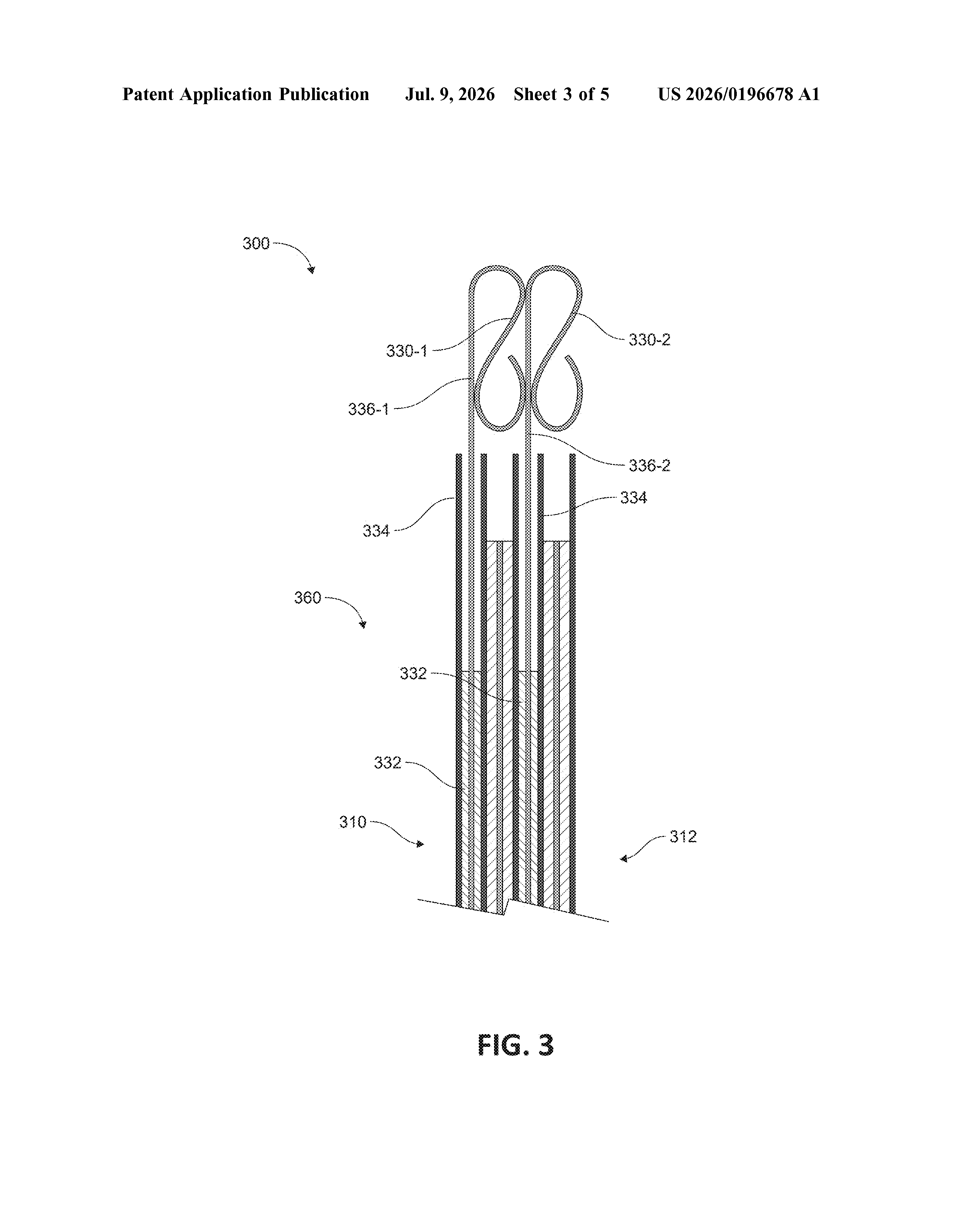
The key element is the hemmed edge: the metal foil (typically copper or aluminum) is folded over at one edge before the active electrode film is coated onto it. That fold, or hem, extends beyond the top edge of the electrode film coating. When the foil is wound into a cylinder, each successive layer's hemmed edge sits directly against the previous layer's hemmed edge, creating layer-to-layer electrical contact all the way around the roll.
A collector (a conductive plate or ring at the end of the cell) then attaches to and electrically connects with that entire hemmed edge. This is the tabless part of the design: instead of discrete welded tabs projecting from specific spots on the foil, the hem acts as a continuous, distributed current pathway.
The patent also specifies geometry terms:
- Core edge: the innermost part of the wound roll
- Can edge: the outermost part, near the battery housing
- Hemmed edge: the folded section running between those two, in contact with the collector
The housing contains the whole assembly, and the collector bridges the hemmed electrode to the external circuit.
What this means for Tesla's next-generation battery cells
Tabless electrode designs are something Tesla has been publicly pursuing since its 2020 Battery Day presentation, when the company showed off the 4680 cell format. Tabs are a known constraint: they concentrate current flow into small areas, generate heat, and add manufacturing steps. A hemmed edge that spans the full winding distributes that current load across a much larger area, which matters for fast charging and sustained high-power output.
For EV drivers, the practical upside would be cells that charge faster and hold up better under hard use. For Tesla's manufacturing operation, a continuous hemmed edge may be easier to produce consistently than precise tab placement and welding. This patent adds structural detail to how Tesla envisions implementing that idea mechanically.
This is genuinely interesting battery engineering, not a speculative software patent. Tesla has been working the tabless cell concept for several years, and this filing adds real mechanical specificity to how the current-collection problem gets solved. Whether the hem geometry outperforms competing tabless approaches is a question for cell engineers, but this is the kind of incremental-but-real manufacturing patent that actually ships into products.
Get our take in your Top Stories
Liked this breakdown? Add Patentlyze as a preferred source on Google, and our plain-English take shows up more often in your Top Stories the next time Tesla patent news breaks.
There are more where this came from
We read every patent application Big Tech publishes and send you the ones worth knowing. Plain English, free, every week.
The drawings
5 drawing sheets from US 2026/0196678 A1 · click any drawing to enlarge
Want this weekly breakdown for a company we don't cover? Patentlyze Pro →