
Hidden Camera Bump Doubles as a Stealth Antenna in New Apple Patent
The raised camera island on the back of your phone could double as a wireless antenna, according to a new Apple patent. That gap between the camera bump and the main metal frame isn't just a cosmetic seam.
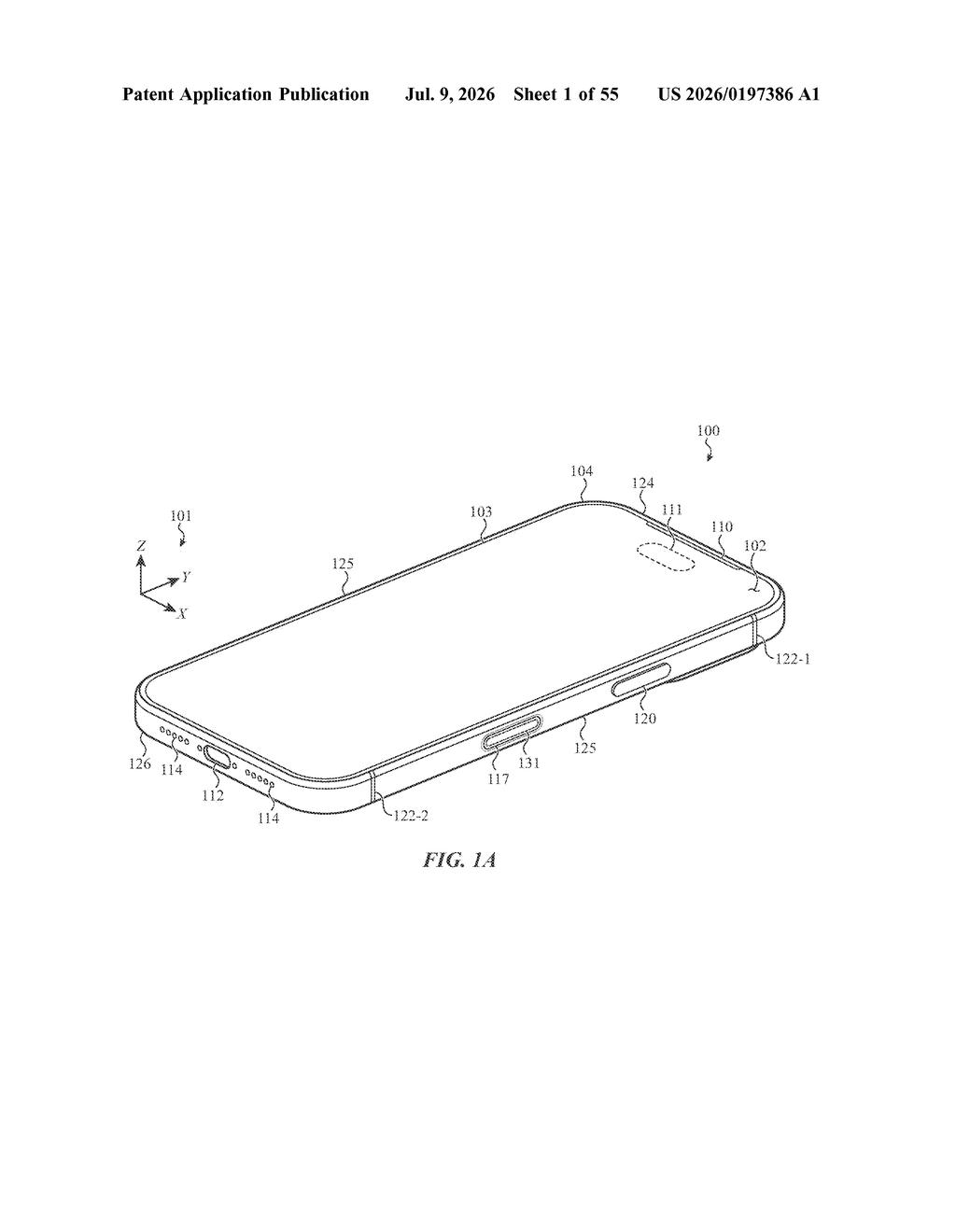
What Apple's camera-bump antenna actually does
Imagine the raised camera island on the back of your iPhone. There's a thin gap where that bump meets the rest of the metal frame. Apple's new patent describes using that gap as an antenna for wireless signals, rather than leaving it as dead space.
The way it works: the metal around the camera bump and the metal of the main phone body are separated by a strip of non-conductive material. That gap acts like a slot cut into a metal sheet, and slot cuts can radiate radio waves when you run electrical current through the surrounding metal. Apple's wireless circuitry does exactly that.
The upside is real. Phone designers constantly fight for space to fit antennas inside an increasingly dense device. If the camera bump's outline can carry its own antenna, that frees up internal space and could mean better signal without making the phone any bigger.
How the gap around the protrusion forms a slot antenna
The patent describes a phone housing built from two distinct metal pieces. The first metal segment wraps around the sides of the phone, forming the familiar metal band you see on current iPhones. The second metal segment forms the raised camera protrusion on the back.
Between those two metal pieces sits a nonconductive joint structure (a strip of plastic, ceramic, or similar insulating material) filling a gap that runs at least partway around the camera bump. That gap, combined with the two conductive metal pieces on either side, creates what engineers call a slot antenna (essentially a gap in a metal surface that acts as an antenna when electrical current flows around it).
- Wireless circuitry connects electrically to one or both metal segments.
- When energized, current flows around the gap and the slot radiates a wireless signal.
- The camera bump itself becomes a functional antenna element, not just a lens housing.
This is a structural antenna approach, meaning the antenna is built into the physical shape of the device rather than added as a separate internal component. That distinction matters for engineers trying to fit everything inside a thin phone body.
What this means for iPhone antenna design
Antenna placement is one of the hardest engineering problems in phone design. Every cubic millimeter inside a modern smartphone is contested territory, and every metal surface can interfere with wireless signals. Turning the camera bump, which is already a large raised metal feature, into an active antenna element is a practical way to recover antenna real estate without adding bulk.
For you as a user, the potential benefit is better or more consistent wireless reception, since Apple would have more antenna surface area to work with. It could also allow Apple to keep the phone's profile thinner elsewhere while maintaining signal performance. The camera bump isn't going away, so making it carry a second job is the kind of structural efficiency Apple tends to favor.
This is solid, unglamorous engineering work. Antenna design rarely makes headlines, but it directly affects whether your phone drops calls or struggles in weak-signal areas. Using the camera island's outline as a slot antenna is an elegant reuse of space that already exists, and it fits Apple's pattern of folding structural components into double duty. Worth watching as a signal of where iPhone internals are heading.
Get our take in your Top Stories
Liked this breakdown? Add Patentlyze as a preferred source on Google, and our plain-English take shows up more often in your Top Stories the next time Apple patent news breaks.
There are more where this came from
We read every patent application Big Tech publishes and send you the ones worth knowing. Plain English, free, every week.
Want this weekly breakdown for a company we don't cover? Patentlyze Pro →