
Apple Patent Reveals One-Piece Metal Shell That Could Reshape Future iPhones
Apple has filed a patent describing an iPhone where the back panel and both side walls are formed from a single, continuous piece of metal rather than separate parts joined together. It's a structural rethink of how the phone's skeleton is built.
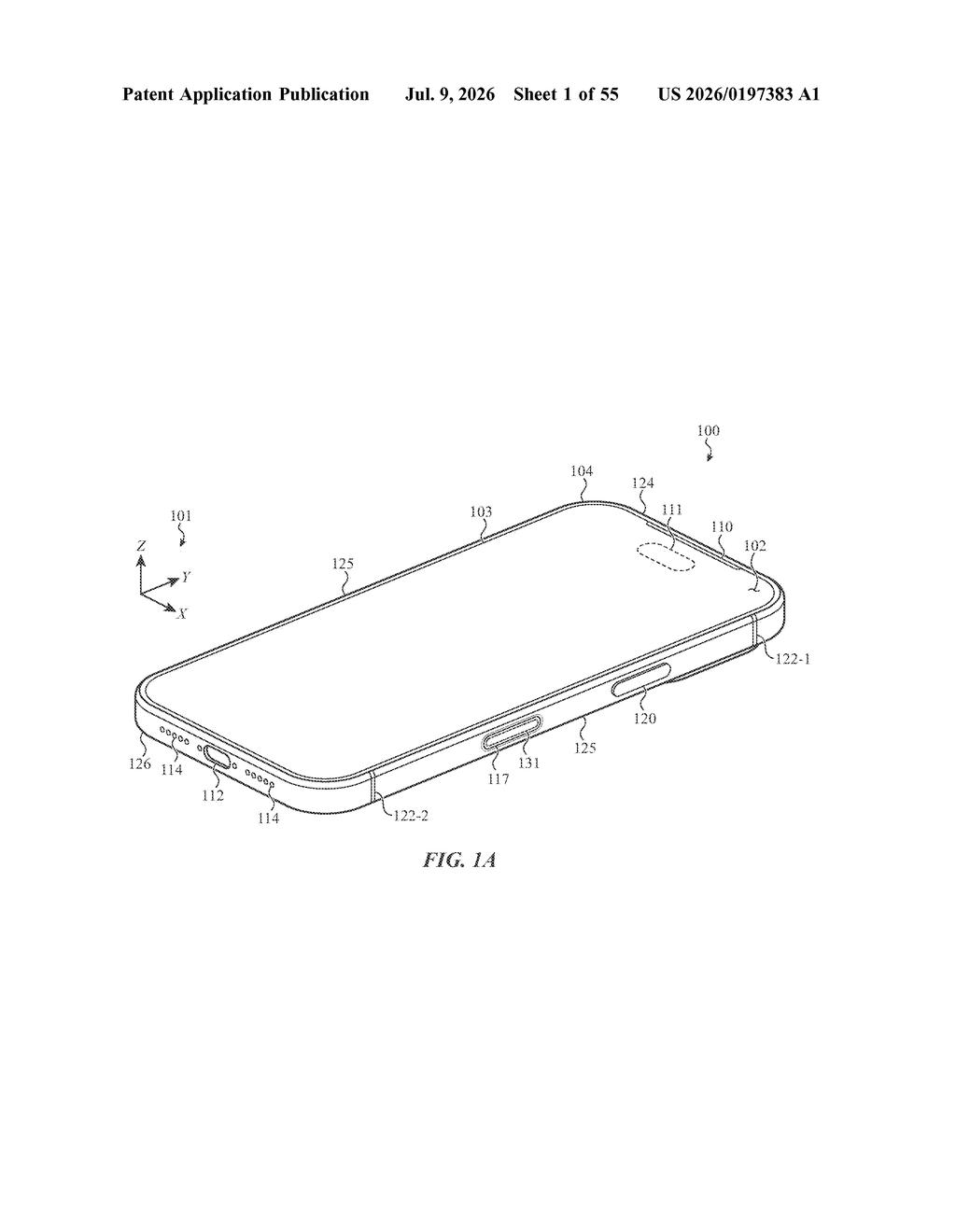
What Apple's single-piece metal iPhone body actually does
Picture a soup can: the cylinder and the base are one continuous piece of metal, not two parts glued together. Apple's patent describes doing something similar with an iPhone housing, where the two side rails and the back panel are all formed from a single metal segment instead of separate pieces assembled together.
Inside that shell sits a crossbeam (Apple calls it a "chassis member") that stretches from one side wall to the other. Your battery and the main circuit board attach to one face of that crossbeam, tucked into the gap between the crossbeam and the metal back. The screen sits on the opposite face, and a front cover glass closes everything up.
The result is a phone frame with fewer joints and seams in the structural shell. Fewer joints generally means fewer potential weak points, which can matter for how a phone survives drops or long-term wear.
How the chassis, battery, and board fit inside the metal shell
The patent describes a mobile phone housing where the left rail, right rail, and back panel are machined or formed as a single unitary metal housing segment, meaning they are one continuous piece rather than separate parts fastened together.
Spanning the inside of that U-shaped metal shell is a chassis member, a structural crossbeam running from one side wall to the other. This chassis is deliberately set away from the back panel, creating a gap. Inside that gap:
- The battery sits on the inner (back-facing) side of the chassis
- The circuit board assembly (the main logic board carrying the processor, memory, and other components) also mounts to that same inner face
On the opposite (front-facing) side of the chassis sits the display stack. A front cover glass then caps the assembly and bonds to the unitary metal housing, completing the enclosure.
The key structural idea is load distribution: by making the sides and back a single piece, there is no seam at the corners of the phone to act as a stress concentration point. The chassis member acts as an internal spine that both organizes the internals and adds rigidity without relying on the outer shell alone.
What this means for future iPhone durability and design
From a manufacturing standpoint, a one-piece metal back-and-sides housing reduces the number of fastened joints in the most structurally loaded part of the phone. That can translate into a stiffer frame, which matters for display longevity and for resisting the kind of flex that causes cracked screens or loose connectors over time.
For consumers, the most direct potential benefit is a phone that holds its shape better over years of use. It could also open up thinner designs, since eliminating corner joints removes material that normally compensates for alignment tolerances. Apple already uses precision-machined aluminum extensively in its product lines, so the manufacturing capability is there. Whether this specific configuration shows up in a shipping iPhone is a separate question, but structurally it points toward a tighter, more monolithic chassis.
This is a structural engineering patent, not a feature patent, so it won't generate excitement in the same way a camera or AI filing would. That said, it reflects real design work: the specific geometry described, with a unitary back-and-sides shell and an internal crossbeam organizing the battery and logic board, is detailed enough to suggest this came from actual product development rather than speculative filing. It's worth a quick read if you follow iPhone hardware construction, but it's not a signal of any dramatic visible change.
Get our take in your Top Stories
Liked this breakdown? Add Patentlyze as a preferred source on Google, and our plain-English take shows up more often in your Top Stories the next time Apple patent news breaks.
There are more where this came from
We read every patent application Big Tech publishes and send you the ones worth knowing. Plain English, free, every week.
Want this weekly breakdown for a company we don't cover? Patentlyze Pro →