
Samsung Patents a Timing Fix That Makes 5G Indoor Positioning More Accurate
Your phone figures out where you are by measuring how long signals take to arrive from nearby cell towers. Samsung has filed a patent for a method that fixes a subtle timing mismatch that makes those measurements less accurate indoors.
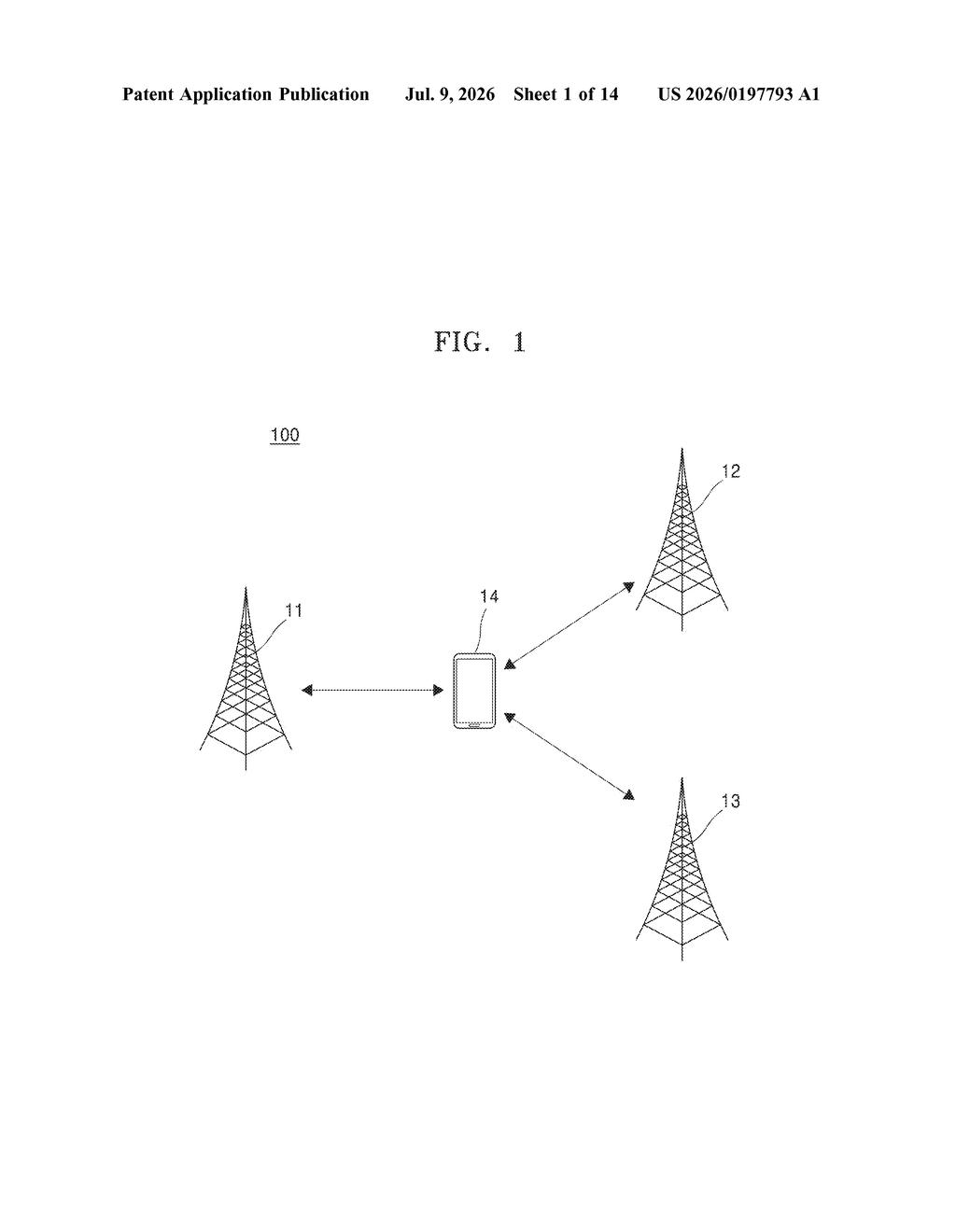
How Samsung's timing trick improves your phone's position fix
Imagine you are trying to figure out exactly where you are standing inside a large building by listening for radio pulses from two different cell towers. The problem is that the two towers aren't perfectly in sync with each other from your phone's point of view, so comparing their signals directly gives you a skewed answer.
Samsung's patent describes a way for your phone to correct for that mismatch before doing the comparison. When your phone picks up a positioning signal from a nearby second tower, it mathematically shifts that signal's data so it lines up with the timing of the first tower's signal. Think of it like adjusting two clocks to the same reference before you compare them.
Once both signals are on the same time reference, your phone can measure the difference in arrival times much more precisely. That time difference is the core ingredient in calculating where you are, so getting it right translates directly into a more accurate location fix.
How the circular shift aligns two towers' reference signals
The patent describes a method for handling Positioning Reference Signals (PRS), which are special radio bursts that 5G networks transmit specifically to help phones calculate their position.
The phone first receives a Positioning Protocol (PP) message from its serving base station. That message tells the phone when and where to listen for PRS transmissions from both its own tower and a neighboring tower. The PRS from the serving tower arrives at a known reference time called the first timing.
The neighboring tower's PRS arrives at a slightly different time because that tower is farther away and operates on its own schedule. To fix this, the patent's method applies a circular shift operation to the neighboring tower's PRS data. A circular shift is a simple mathematical rotation of a data sequence: the starting point is moved so the data wraps around to align with a new reference point. Here, the shift moves the second tower's data so its starting position matches the first tower's arrival time.
With both signals now referenced to the same timing, the phone computes the Reference Signal Time Difference (RSTD), which is the measured gap in arrival times. RSTD is the fundamental measurement that location servers use to triangulate a phone's position.
What this means for 5G indoor location services
Accurate indoor positioning is one of the unfulfilled promises of 5G. GPS doesn't work reliably inside buildings, and earlier cellular location methods were too coarse for navigation inside airports, hospitals, or large retail spaces. The kind of timing-alignment fix described here is the unglamorous work that closes the gap between theoretical location accuracy and what actually works in a crowded indoor environment.
For you as a user, more accurate RSTD measurements mean a location fix you can actually trust when GPS drops out. For Samsung, getting this method into chipsets or modems gives its devices an edge in markets where precise indoor positioning is becoming a regulatory and commercial requirement.
This is a quiet but real engineering improvement in cellular positioning. It doesn't reinvent how location works; it fixes a specific timing alignment problem that degrades accuracy in multi-tower indoor scenarios. Patents like this are the building blocks of features that eventually show up as 'improved indoor navigation' in a phone spec sheet.
Get our take in your Top Stories
Liked this breakdown? Add Patentlyze as a preferred source on Google, and our plain-English take shows up more often in your Top Stories the next time Samsung patent news breaks.
There are more where this came from
We read every patent application Big Tech publishes and send you the ones worth knowing. Plain English, free, every week.
Want this weekly breakdown for a company we don't cover? Patentlyze Pro →