
Samsung Patents Earphone Charging Cables That Double as Data Lines
What if the wire charging your earbuds could also carry software updates, pairing info, or device status, all without adding an extra wire or chip? That is exactly what this Samsung patent describes.
How Samsung's charging wire sends data at the same time
Imagine plugging your earbuds into their charging case and, the moment the cable connects, the case and earbuds swap information, firmware version, battery health, pairing data, all while the battery is filling up. No Bluetooth handshake, no extra contacts on the connector. Just the same wire doing two jobs at once.
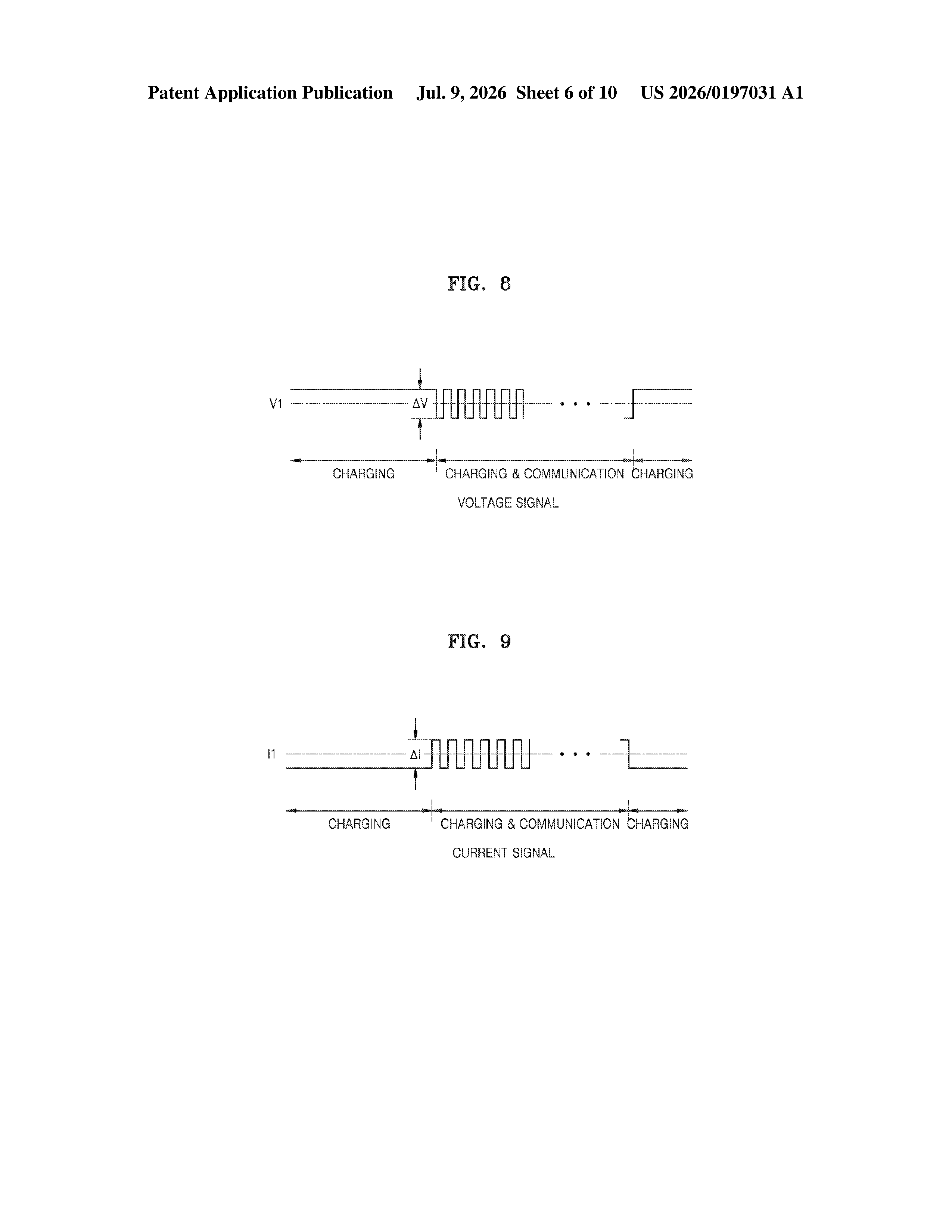
That is the core idea in this Samsung filing. The charging cable sends a slightly modified electrical signal: still high enough to charge the battery, but with small, fast swings in voltage that encode ones and zeros. The earbuds read those voltage swings and decode the hidden message, even while the charging current keeps flowing.
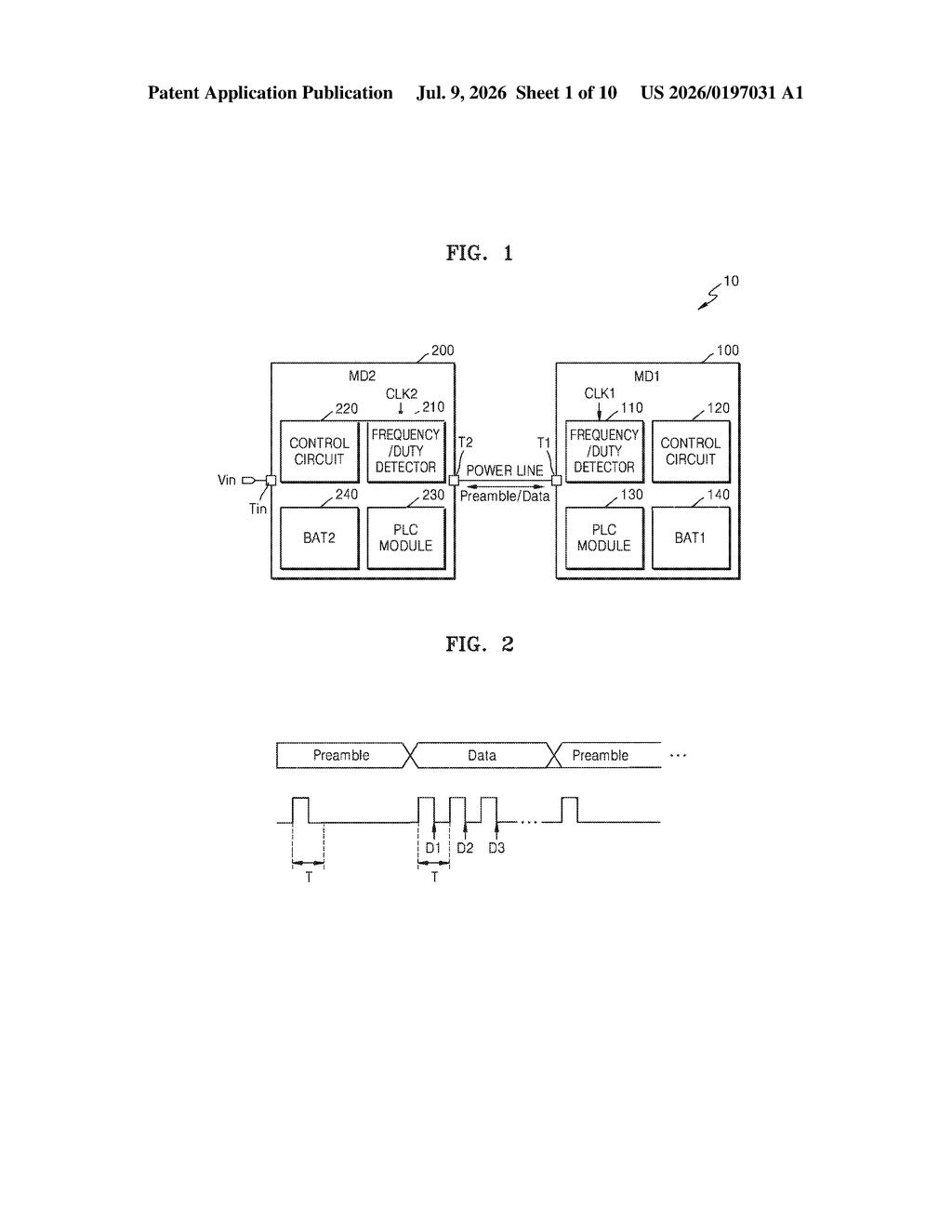
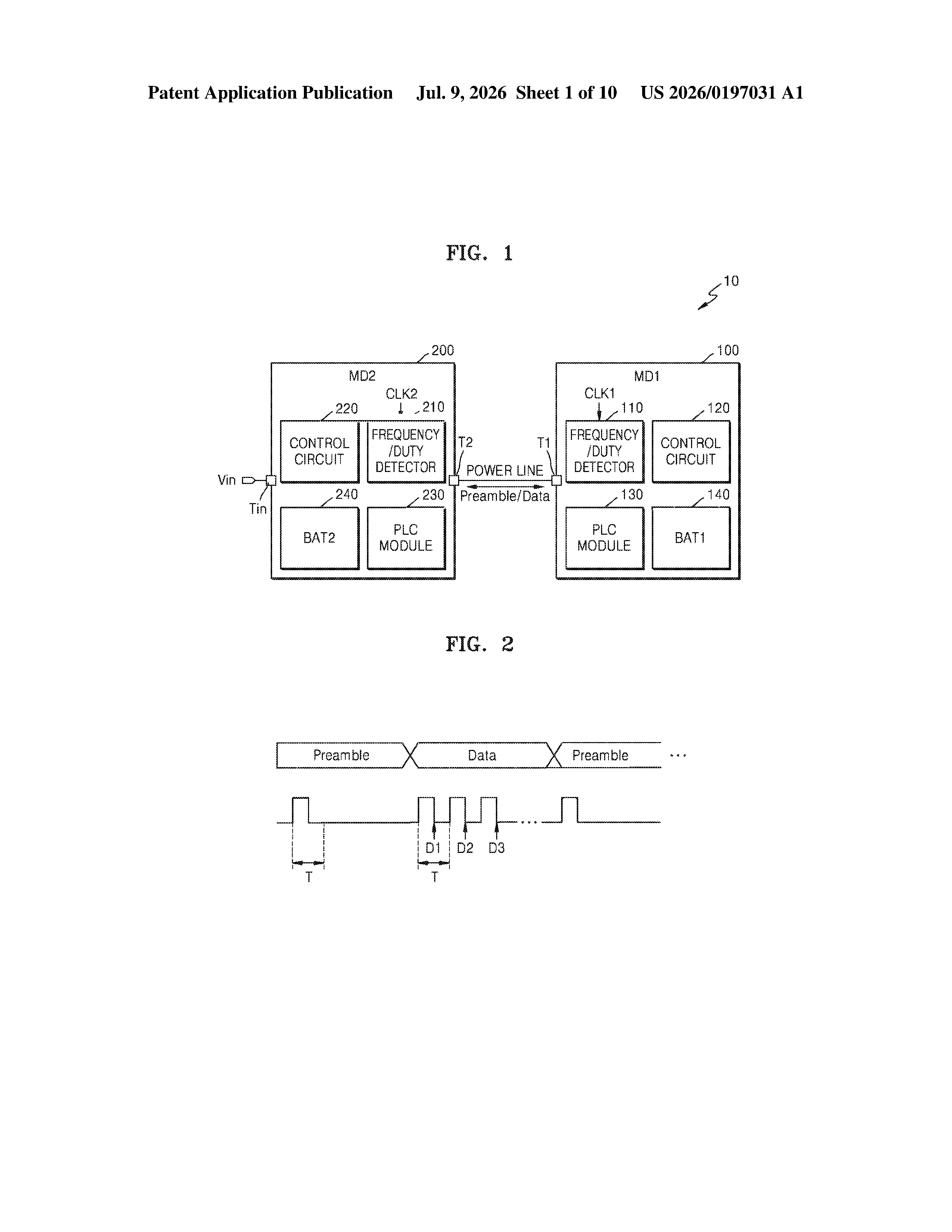
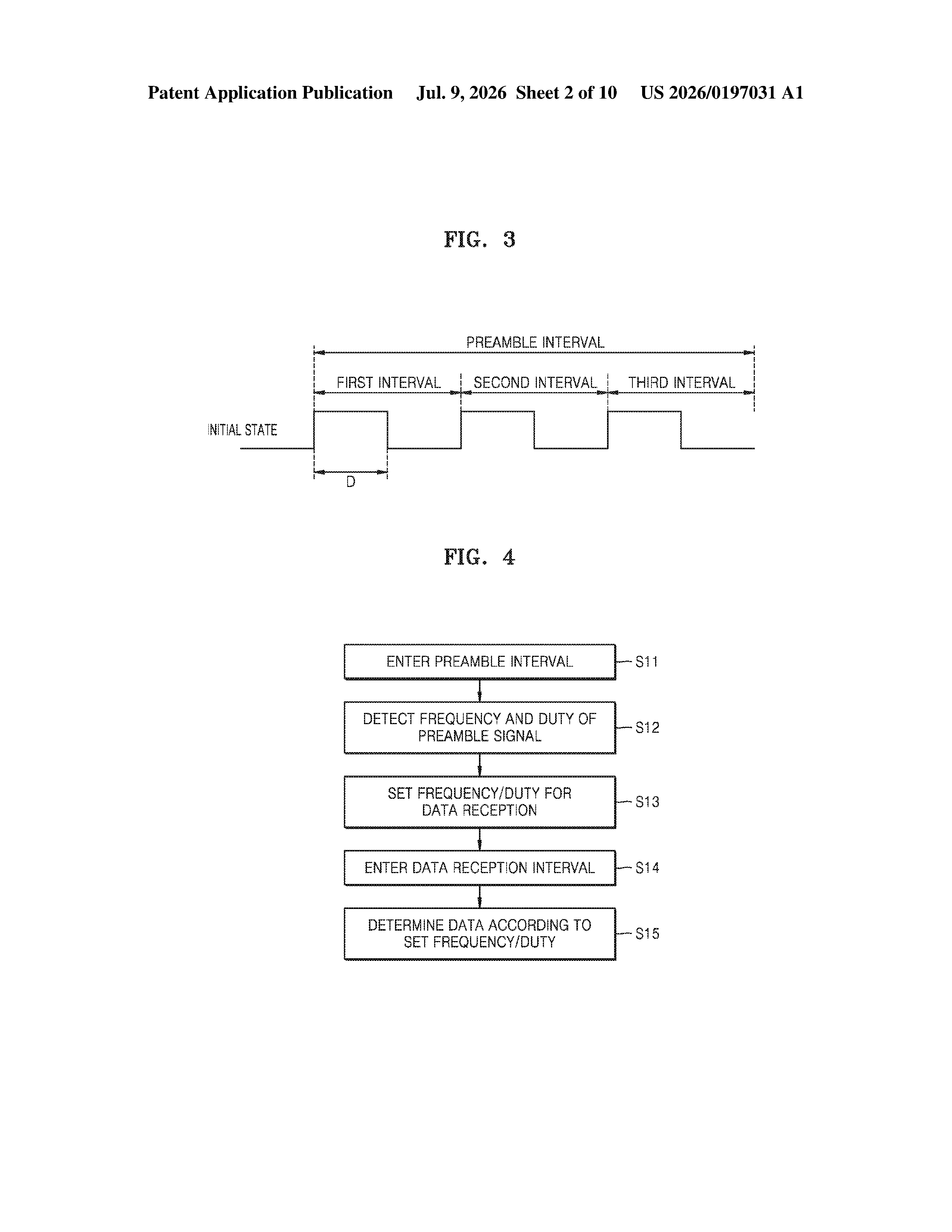
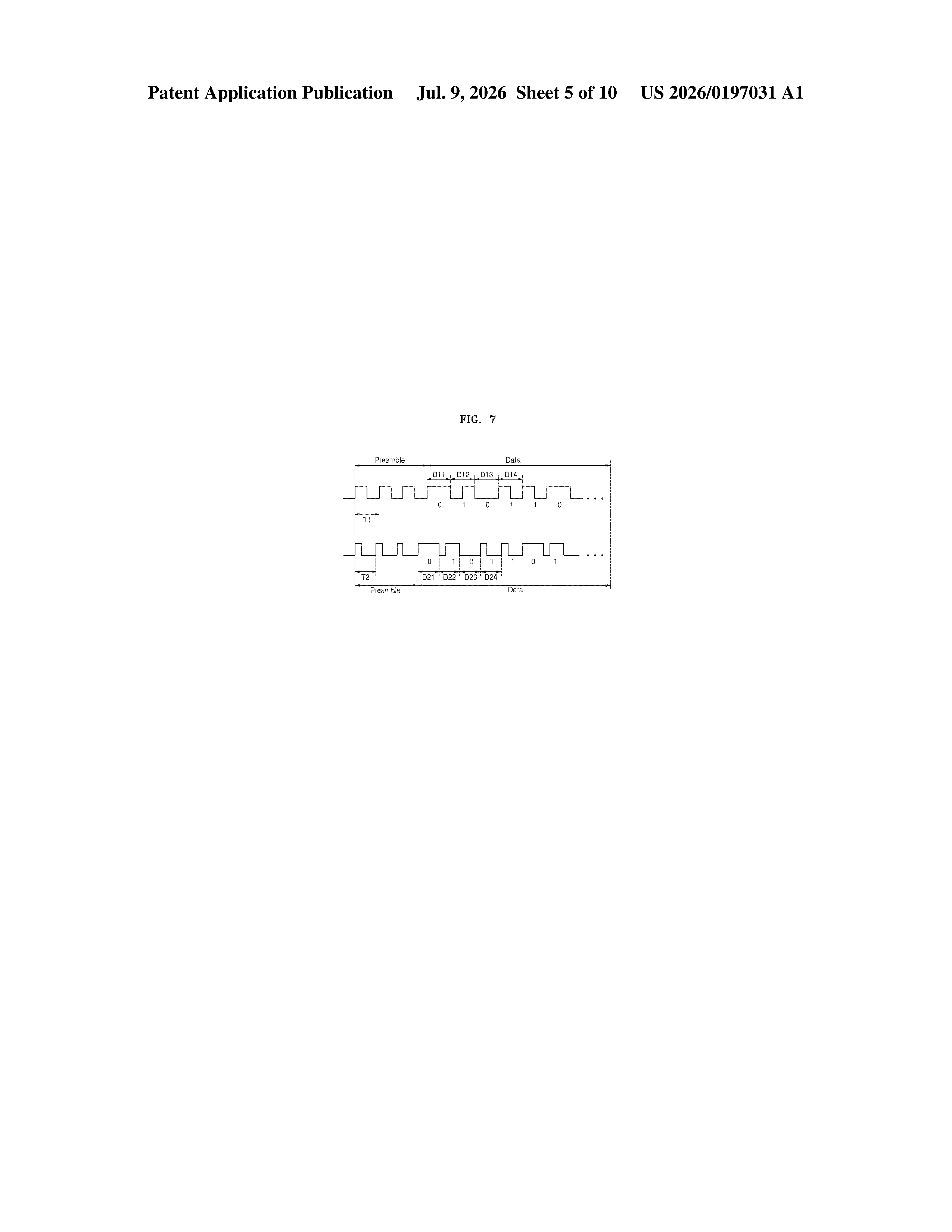
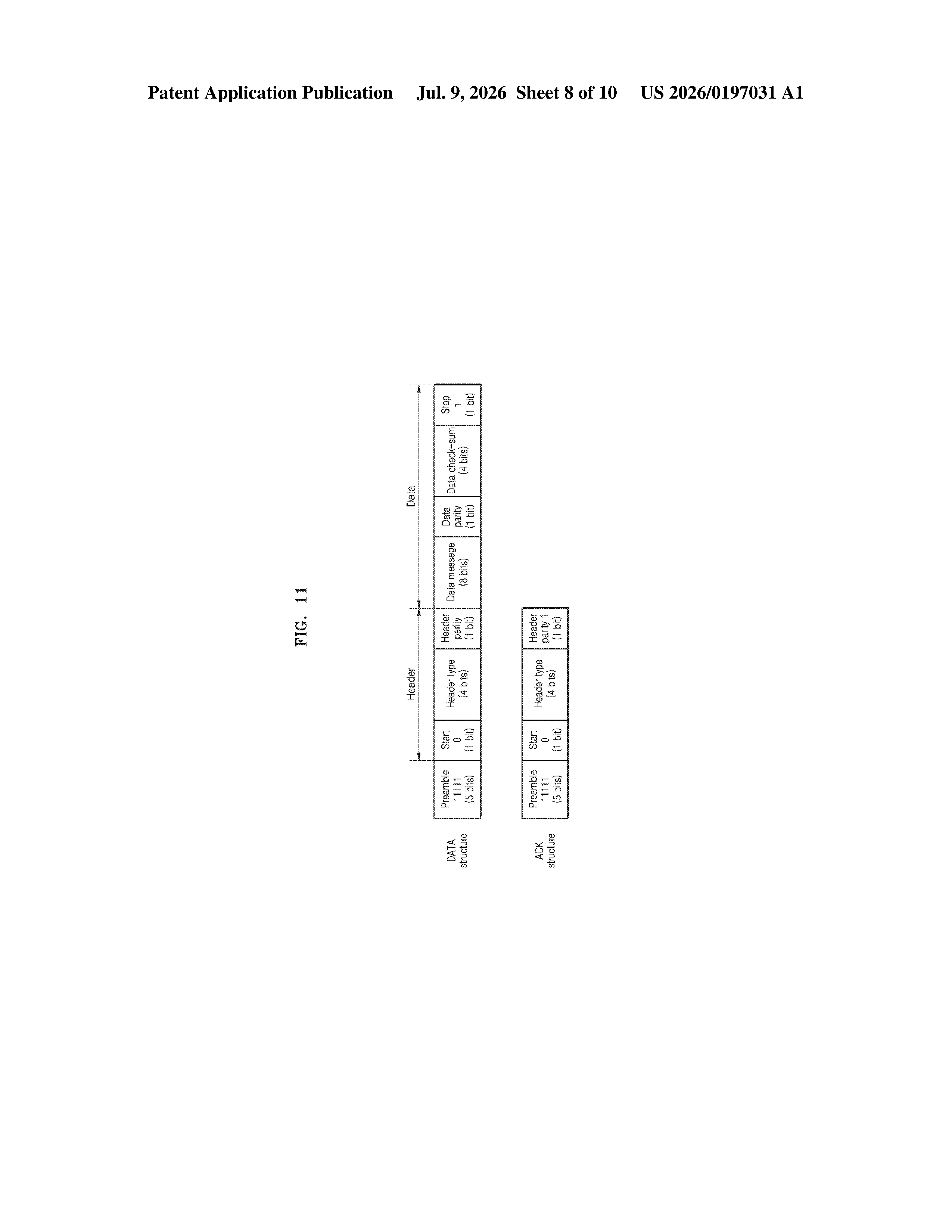
The system also uses a short preamble (a quick pre-agreed knock pattern) at the start of each transmission so the earbud knows the frequency and timing to expect before the real data arrives. Think of it like a modem handshake, but happening entirely over the charging line.
How the voltage signal carries both power and encoded bits
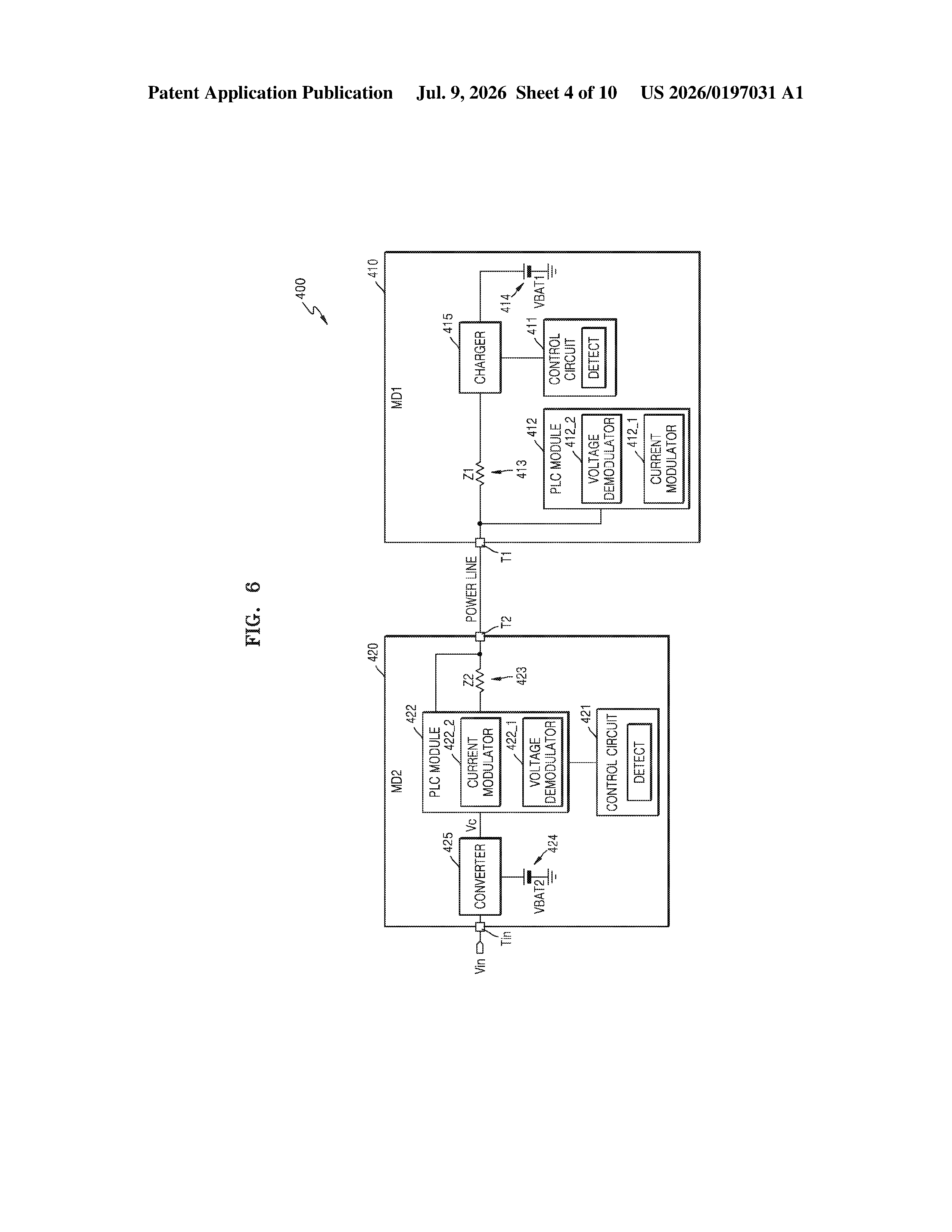
The patent describes a Power Line Communication (PLC) system built into an earphone and its charging device. PLC is a well-established technique where data is piggy-backed onto an electrical power line by modulating the voltage, the same basic idea used in some home networking standards that send internet over household wiring.
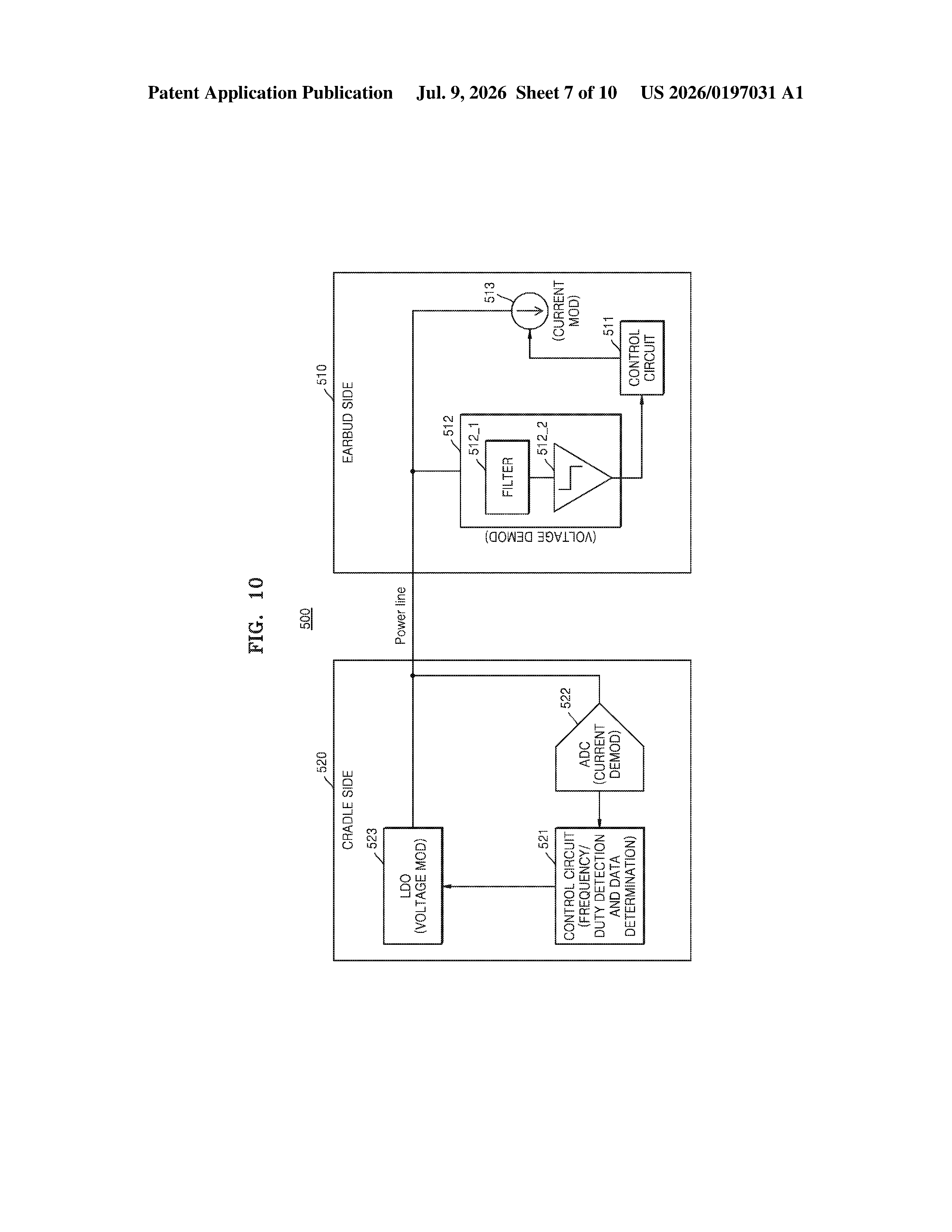
Here, the charging device sends a voltage signal that stays above a minimum level (so charging always continues) but oscillates between a first level and a second level to represent binary data. A dedicated PLC module inside the earbud demodulates (decodes) those oscillations back into usable data.
Before the data payload arrives, the charging device transmits a preamble signal during a defined preamble interval. A frequency-and-duty detector inside the earbud measures that preamble to lock in the exact frequency and duty cycle (the ratio of high-to-low time in each oscillation). Those measured values are then used as the reference frame for interpreting everything that follows.
Key components the patent calls out:
- PLC module, handles modulation, demodulation, and signal reception
- Frequency/duty detector, reads the preamble to calibrate timing
- Control circuit, decides whether each demodulated sample is a logical 1 or 0
- Charging circuit, runs in parallel, keeping the battery charging throughout
What this means for wireless earphone pairing and updates
Earbuds and their cases currently talk to each other over short-range Bluetooth or proprietary contacts, both of which add cost and complexity. A PLC approach means the same two-pin connection used for charging can carry firmware updates, configuration data, or sensor readings. That could simplify connector design and potentially make future earbuds cheaper to build.
For you as a user, the most tangible benefit would be faster, more reliable software updates when you drop your earbuds into their case, without needing your phone nearby or a Bluetooth session to stay alive. It is a small but practical quality-of-life improvement, and it fits Samsung's pattern of squeezing more function out of existing Galaxy Buds hardware without redesigning the physical product.
This is a tidy, incremental engineering idea rather than a sweeping product overhaul. PLC over charging lines is not a new concept in consumer electronics broadly, but applying it specifically to the earbud-to-case relationship is a sensible niche. Samsung likely filed this to protect design freedom in its Galaxy Buds line as it looks for ways to cut Bluetooth-radio complexity from the charging case side.
Get our take in your Top Stories
Liked this breakdown? Add Patentlyze as a preferred source on Google, and our plain-English take shows up more often in your Top Stories the next time Samsung patent news breaks.
There are more where this came from
We read every patent application Big Tech publishes and send you the ones worth knowing. Plain English, free, every week.
The drawings
10 drawing sheets from US 2026/0197031 A1 · click any drawing to enlarge
Want this weekly breakdown for a company we don't cover? Patentlyze Pro →