
Microsoft Patents an AI That Fixes Variable Names When You Paste Code
Every programmer knows the copy-paste headache: you grab a snippet from Stack Overflow and suddenly your file is full of variable names that clash with everything else. Microsoft is patenting an AI system designed to fix that automatically.
What Microsoft's auto-rename tool actually does
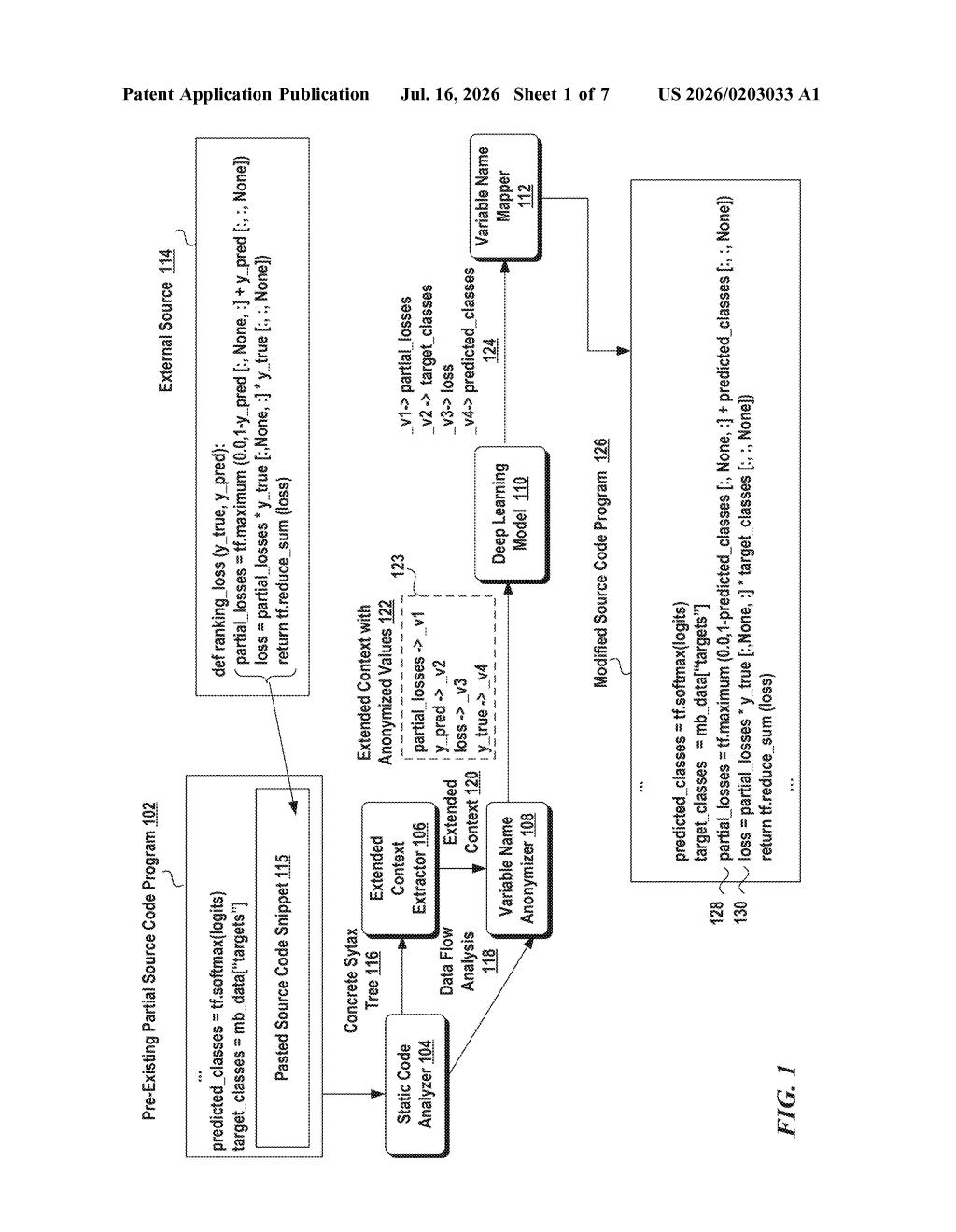
Imagine you copy a block of code from a tutorial and paste it into your project. The tutorial used a variable called temp_val, but your program already uses user_input for the same concept. Right now, you'd have to hunt through the pasted code and rename things by hand. Microsoft's patent describes a system that does that renaming for you.
The idea is that an AI watches the code you paste, spots any variable names that don't fit the surrounding program, and figures out what they should be called by looking at how your existing code works. It then swaps the mismatched names out automatically.
The AI is trained on huge amounts of real source code so it learns the patterns programmers follow when naming things. When it sees an unfamiliar variable in freshly pasted code, it can make a confident guess about which existing name in your project that variable is really meant to be.
How the deep learning model maps mystery names to real ones
The system works in two phases: training and prediction.
During training, Microsoft's model is fed thousands of source code files. In each file, known variable names are swapped out for anonymous placeholder tokens (think blanks in a fill-in-the-puzzle). The model also looks at extended context, meaning code that lives outside the immediate function or block where a variable is used. That wider view helps it understand what a variable is for, not just where it appears.
During prediction, when a programmer pastes an external snippet into their project, the system:
- Identifies variable names in the pasted code that have no definition in the surrounding program
- Strips those names out and replaces them with the same kind of anonymous placeholders used in training
- Runs the model, which predicts the most likely matching variable name from the existing program
- Rewrites the pasted snippet with the correct names in place
The goal is a result that is both syntactically correct (the code will actually run) and semantically correct (the renamed variables mean what the programmer intended).
What this means for AI coding assistants like Copilot
This is clearly aimed at making GitHub Copilot and Microsoft's other AI coding tools more useful in practice. One of the most common complaints about AI-generated or pasted code is that it drops in with its own naming conventions, forcing developers to do cleanup work that feels tedious and error-prone. An automatic renaming layer would make accepting AI suggestions much less painful.
For everyday developers, the practical payoff is fewer bugs introduced during copy-paste operations and less time spent on mechanical editing. If this capability ships inside an editor like VS Code, it could handle a class of small but annoying mistakes that currently slip through into production code.
This is a practical, focused patent solving a real and specific problem that any programmer will recognize immediately. It's not trying to build a general coding AI; it's patching one concrete friction point. That specificity is a good sign it could actually ship in a product rather than sit in a filing cabinet.
There are more where this came from
We read every patent application Big Tech publishes and send you the ones worth knowing. Plain English, free, every week.
Want this weekly breakdown for a company we don't cover? Patentlyze Pro →
Be the first to weigh in