
AI Patent Ranks Job Candidates and Explains Why in Plain English
Microsoft has patented a system that uses two separate AI models working in sequence: one that scores how well a candidate matches a job posting, and a second that writes out a plain-English explanation of that score. The split is deliberate, and it matters.
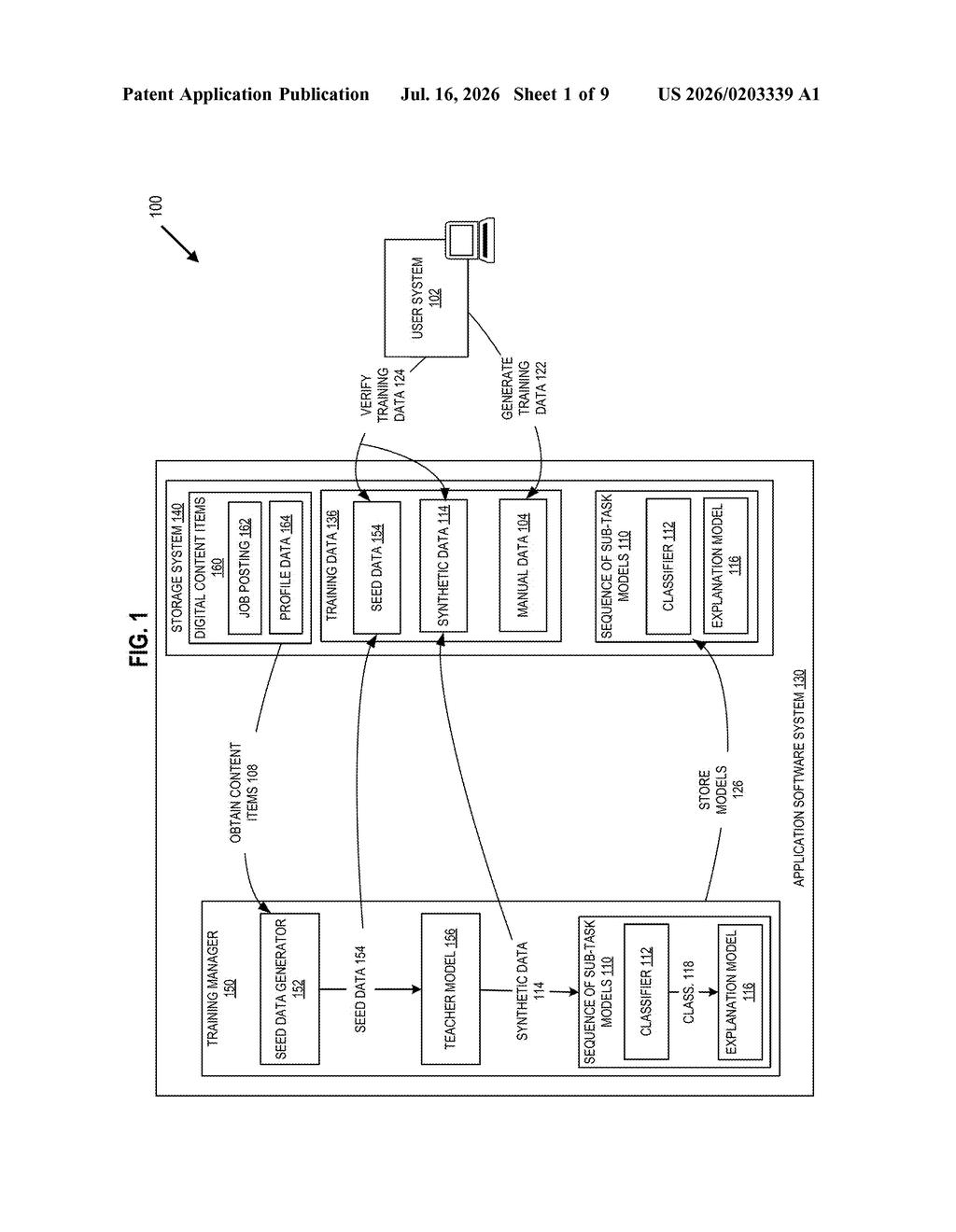
What Microsoft's two-step job-matching AI actually does
Imagine you upload your resume to a job site and ask, 'Am I a good fit for this role?' Today, most tools give you a match percentage with no context, or a vague 'You're missing 2 skills.' You don't know why the score is what it is, or which qualifications actually hurt you.
Microsoft's patent describes a system that handles this in two distinct steps. First, one AI model goes through the job's qualifications and scores you against each one, producing a structured rating. Then a second AI model takes that rating and writes a clear, natural-language explanation, something like 'You meet 4 of 5 required qualifications, but the posting asks for five years of project management experience and your profile shows two.'
The final output you'd see is both a total score across all the job's requirements and the written explanation, displayed together in one interface. The goal is to make the AI's reasoning visible to you, not just its conclusion.
How the classification and explanation models divide the work
The patent describes a pipeline built around two machine learning models, each handling a distinct job.
Model 1 (the classifier) receives the job posting's list of qualifications and evaluates the user against each one individually. It produces a classification, a structured judgment about whether and how well the candidate satisfies each requirement. It then rolls those individual scores into a total classification across the aggregate of all qualifications.
Model 2 (the generator) takes the classifier's output as its input and produces a natural language explanation, a human-readable description of why the candidate received the score they did. This is sometimes called a 'rationalization' step in AI research: the system explains a decision after the decision is made, rather than generating an explanation and a score simultaneously from one model.
The claim specifies that either model can perform the final total-score calculation, which gives the system some flexibility in where the aggregation logic sits.
The user interface then surfaces both outputs together: the numeric or categorical fit score and the written explanation side by side. The underlying query can apparently come from a user asking a natural-language question about a job posting, not just a form submission.
What this means for AI-powered hiring tools
Hiring platforms like LinkedIn, Indeed, and Microsoft's own products already show 'match scores' on job listings. The problem is that a score without an explanation is easy to distrust and hard to act on. You can't improve a 62% match if you don't know which qualifications dragged it down.
By separating scoring from explanation into two specialized models, Microsoft is betting that each model can be better at its specific job than a single model trying to do both at once. That's a real architectural argument in AI development. Whether this ends up inside LinkedIn (which Microsoft owns) or a Copilot-powered HR tool is speculation, but the job-posting framing in the patent's core claim makes the target use case unusually specific for a foundational patent.
This is a focused, practical patent rather than a broad AI land-grab. The job-matching framing in the actual claim text, not buried in the abstract, is specific enough that you can see exactly where Microsoft intends to use it. The two-model split is a real design choice with real tradeoffs, not just a diagram. Worth watching if you follow LinkedIn's product roadmap.
There are more where this came from
We read every patent application Big Tech publishes and send you the ones worth knowing. Plain English, free, every week.
Want this weekly breakdown for a company we don't cover? Patentlyze Pro →
Be the first to weigh in