
Tesla Patents a System That Catches Uneven Battery Cell Wear During Charging
Not all battery cells age at the same rate, and when some fall behind the others, you get shortened range, unexpected shutdowns, and in the worst cases, safety problems. Tesla has filed a patent for a system that watches for exactly that kind of uneven wear as the battery drains.
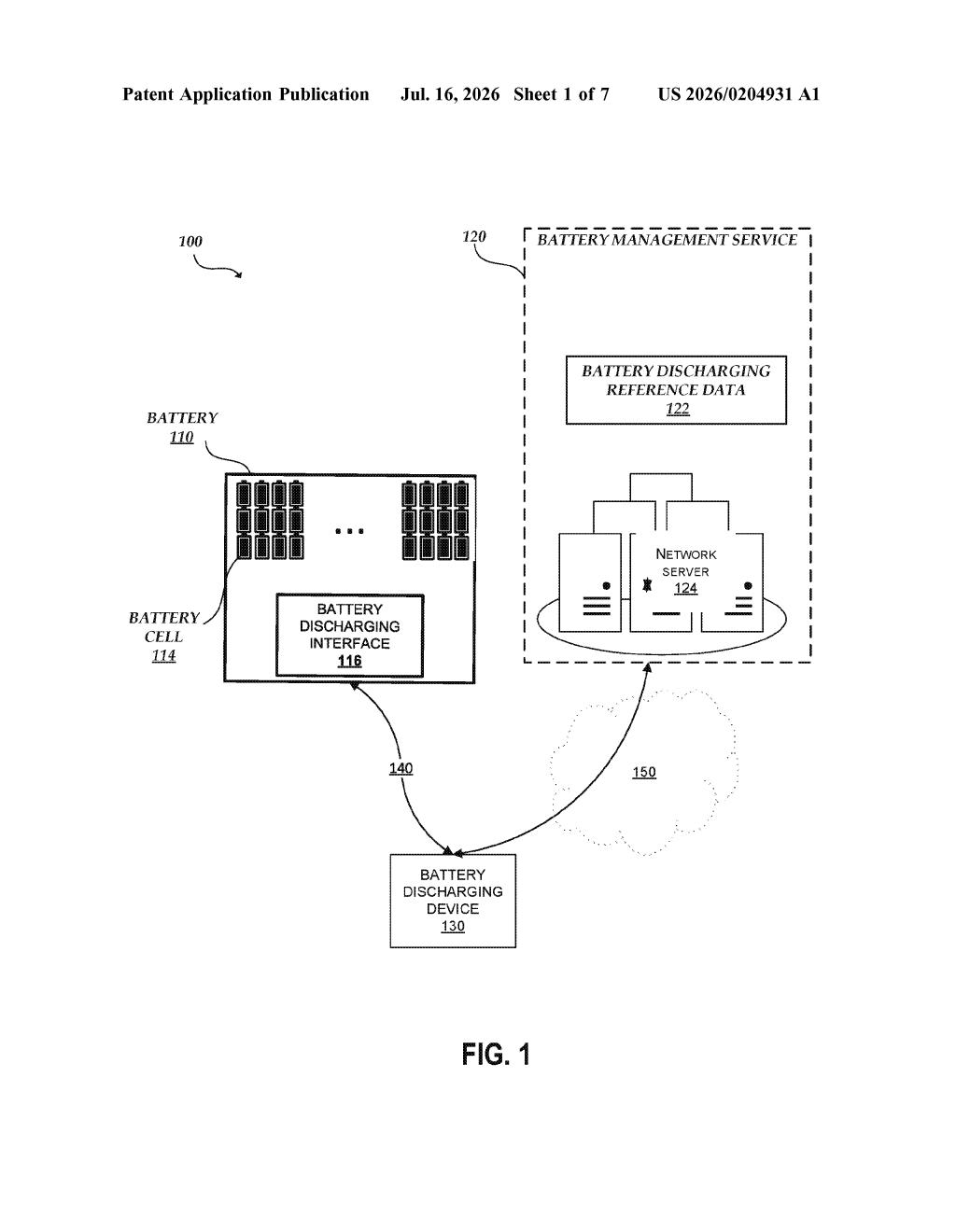
What Tesla's battery imbalance detector actually does
Imagine a battery pack as a team of workers carrying a load together. If one worker starts falling behind, the whole team suffers. In an electric vehicle, that means your car might cut off sooner than expected, or one weak cell could damage its neighbors over time.
Tesla's patent describes a system that monitors the battery while it's discharging and compares how the voltage drops against a stored reference curve. If the actual voltage drop doesn't match what the reference curve predicts for that amount of energy used, the system flags a cell imbalance.
When an imbalance is detected, the system can automatically stop the discharging process. That early intervention could prevent a weak cell from dragging down the rest of the pack, protecting both battery lifespan and safety.
How the system tracks voltage curves against reference data
The system has two main parts: the battery itself (made up of many individual cells) and a battery discharging device, which is the control unit that runs the whole process.
Here's the sequence the patent describes:
- The device records a starting voltage and starting energy level before discharging begins.
- As discharging proceeds, it watches for the battery to hit a predefined energy threshold (the "criteria").
- Once that threshold is crossed, it measures the current voltage and energy, then calculates how much the voltage has changed relative to how much energy has been pulled out.
- That measured ratio is compared to battery discharging reference data, essentially a lookup table of expected voltage-vs-energy curves for a healthy pack.
- If the measured ratio diverges from the reference data significantly, the system identifies a cell imbalance and can halt discharging.
The core insight is that a healthy battery pack has a predictable relationship between voltage drop and energy output. A pack where individual cells are wearing unevenly will deviate from that curve in a detectable way. By catching the deviation early, the system can respond before damage accumulates.
What this means for EV battery life and safety
Battery packs in EVs are made of hundreds or thousands of individual cells, and they don't all age identically. A single weak cell can force the entire pack to shut down earlier than its rated capacity, or worse, it can overheat. Current battery management systems often detect these problems only at the extremes of the charge cycle, by which point some damage may already be done.
For Tesla and its customers, catching imbalances during routine discharging (not just at the edge of empty) could mean longer-lasting packs, fewer unexpected range drops, and potentially fewer battery replacement events. This kind of detection is also relevant for Tesla's stationary energy storage products like the Megapack, where cell imbalance carries its own safety and financial stakes.
This is careful, practical engineering rather than a headline-grabbing feature. Battery cell imbalance is a real and well-documented problem in large lithium-ion packs, and having a smarter way to catch it during normal operation is genuinely useful. It's the kind of incremental improvement that adds years to a battery's useful life.
There are more where this came from
We read every patent application Big Tech publishes and send you the ones worth knowing. Plain English, free, every week.
Want this weekly breakdown for a company we don't cover? Patentlyze Pro →