
Samsung Patents a Filter That Cleans Blurry, Blocky Video in Two Stages
Every time you stream a video, your device patches up the visual damage caused by compression. Samsung's new patent describes a two-pass approach to that cleanup step, applying one filter on top of another to get closer to the original image.
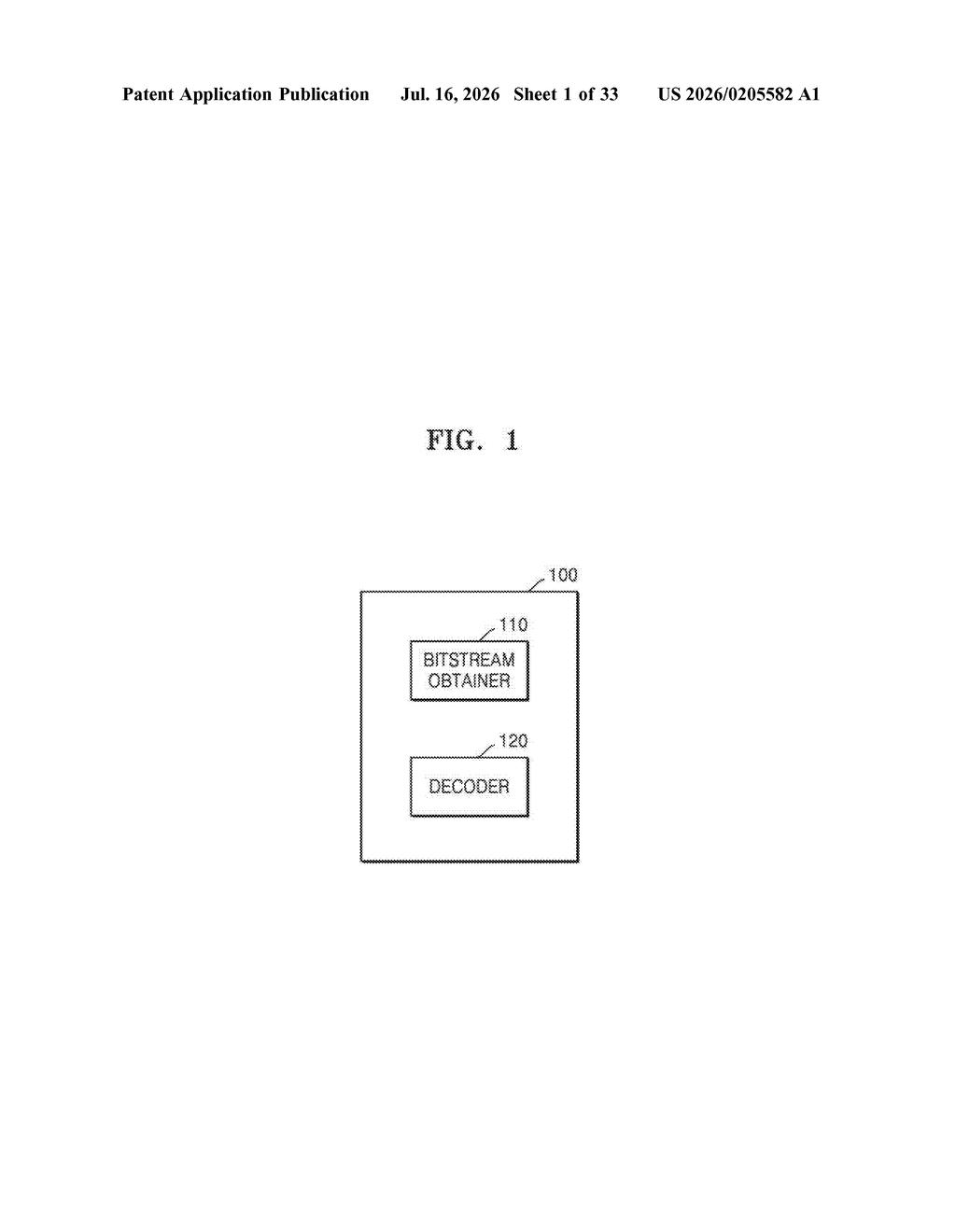
How Samsung's two-stage filter reduces video blur
Imagine a photo that's been emailed at low quality and arrives looking slightly blurry and blocky around sharp edges. Video codecs do something similar to every frame to keep file sizes manageable, and then a cleanup step called a loop filter tries to restore some of that lost detail before the image reaches your screen.
Samsung's patent describes running two filters in sequence rather than one. The first filter works on the difference between the original and compressed data (called the residual), and the second filter refines that result further. The decoder then blends both outputs using custom coefficients pulled from the video stream itself.
The idea is that a single-pass filter makes trade-offs, while a two-pass approach can catch errors the first pass misses. Whether that translates to a visible difference on your TV or phone screen depends on how the codec is tuned, but the goal is cleaner-looking video at the same file size.
How the dual residual filtering pipeline works
The patent describes an adaptive loop filter (ALF) pipeline with two filtering stages applied to residual samples (the mathematical difference between a predicted image block and the actual encoded data).
- A first filter processes the raw residual sample to produce a first filtered residual.
- A second filter then processes the output of the first filter to produce a second filtered residual.
- Both filtered residuals, combined with adaptive filter coefficients (per-clip tuning values sent inside the bitstream itself), are combined to produce the final loop-filtered sample.
Adaptive loop filtering sits inside the standard video decoding pipeline, typically after motion compensation and before the frame is displayed. By letting the encoder send its own coefficients, the filter can be tuned to the specific content rather than using one-size-fits-all settings.
The two-stage residual approach is the novel structural choice here. Chaining filters this way lets each stage operate on progressively refined error signals, which can reduce ringing and blurring artifacts near high-contrast edges.
What this means for compressed video quality
Video codec standards (like HEVC and VVC) already include adaptive loop filtering, so Samsung is working within an established framework. A refinement like this could show up in a future codec profile or in proprietary encoder/decoder implementations in Samsung chips, potentially improving video quality on Galaxy devices or Samsung smart TVs without requiring more bandwidth.
For everyday viewers, the practical benefit would be less noticeable blockiness or softness in fast-moving or fine-detail scenes at the same streaming bitrate. That said, the gap between a patent filing and a shipped product is long, and codec improvements are incremental by nature.
This is a narrow, incremental codec engineering patent. It is technically sound within the video compression world, but it will not register outside of encoder/decoder chip teams. If Samsung gets this into a future codec standard or its own silicon, it could add measurable quality points on industry benchmarks, but the average person will never know it's there.
There are more where this came from
We read every patent application Big Tech publishes and send you the ones worth knowing. Plain English, free, every week.
Want this weekly breakdown for a company we don't cover? Patentlyze Pro →
Be the first to weigh in