
Disney Patent Reveals a Smart Camera Trigger That Waits for the Perfect Shot
Disney has patented a camera setup where one small 'watcher' camera monitors a scene and automatically fires a bigger, better camera only when something interesting happens. Think of it as a wildlife camera trap, but built for a studio that runs theme parks and film sets.
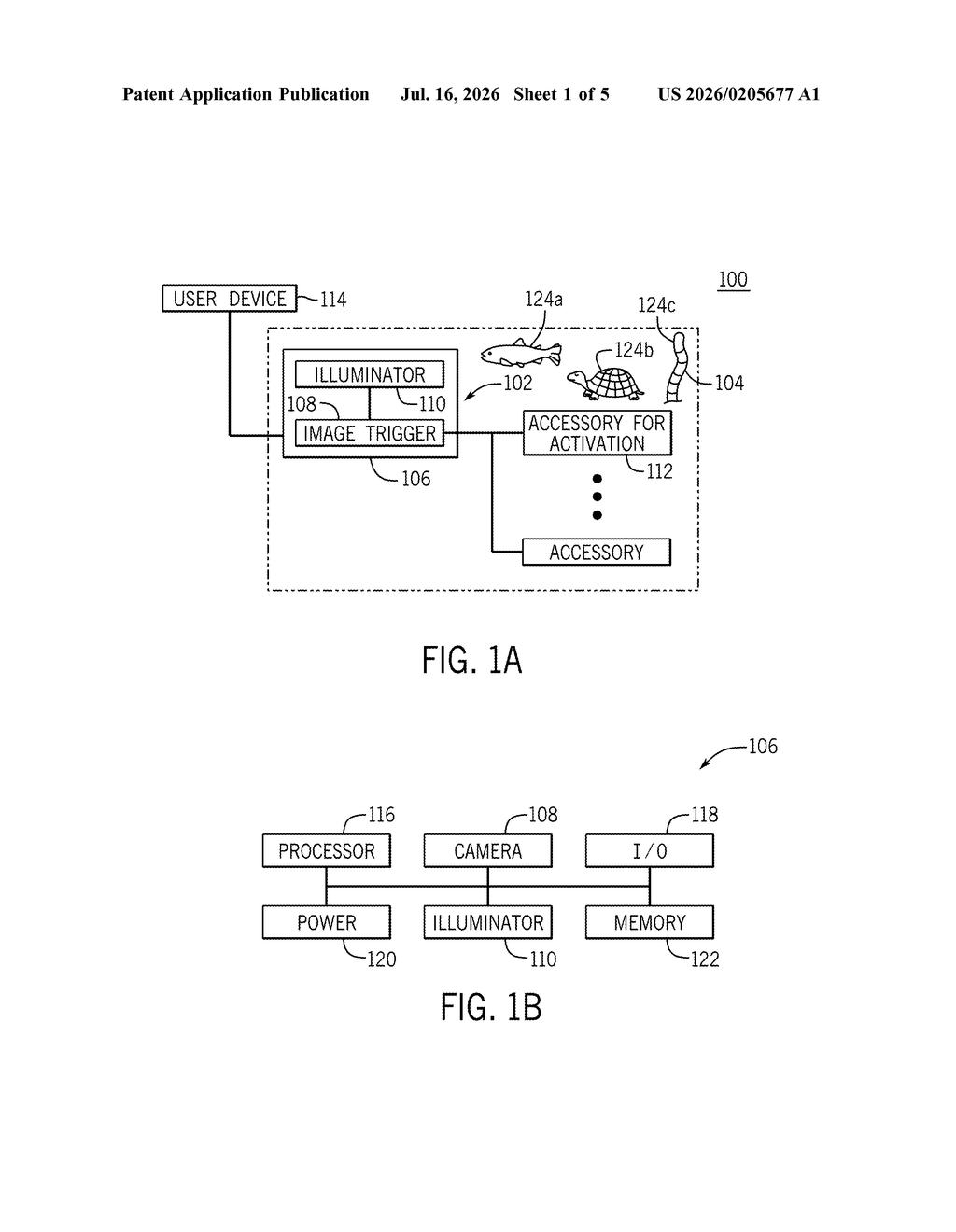
What Disney's self-triggering camera system actually does
Imagine a wildlife photographer who wants to catch a rare bird landing on a branch. They can't sit there holding down the shutter all day, so they set up a motion-sensing trap that fires the camera the moment something moves into frame. Disney's patent works on exactly that idea.
The system uses two cameras: a small, always-on trigger camera that watches a scene continuously but uses very little power, and a main camera that stays dormant until it's needed. The trigger camera feeds its images to a processor, which looks for a specific change in the scene, say, a person walking into a spot, a door opening, or a particular light condition. When that condition is detected, the main camera activates and captures the high-quality shot.
You never have to press a button or review hours of empty footage. The system does the watching for you and only wakes up the main camera when the moment is actually worth capturing.
How the trigger camera watches before the main camera fires
The patent describes a camera trap system made up of three core components working in sequence:
- Trigger camera: A continuously running camera with a field of view that overlaps with the main camera's. It captures a stream of lower-stakes scene frames, prioritizing efficiency over image quality.
- Processing element: A dedicated processor that analyzes frames from the trigger camera in real time, looking for a predicted condition, meaning a scene change that matches a pre-defined rule or learned pattern. This could be motion, a specific object entering frame, a brightness shift, or any other detectable event.
- Main camera (the 'accessory'): A higher-quality camera that stays off or in standby until the processing element signals it to activate. Once triggered, it captures the target frames that actually matter.
The patent is written broadly enough that the 'accessory' being activated doesn't have to be a camera at all. The claim language says the system can activate any accessory based on the prediction, meaning lights, audio recorders, or other equipment could also be in the loop.
The system is designed to handle environments where continuous high-quality recording would be wasteful or impractical, letting the cheap watcher camera do all the waiting.
What this means for Disney's parks and film productions
For a company like Disney, this kind of system has obvious uses across theme parks and film productions. A park ride could use it to capture perfectly timed guest reaction photos without running a full camera at full quality all day. A film set could use it to automatically log the exact frames when an actor hits their mark, without a human operator watching a monitor. The practical payoff is fewer missed moments and far less storage and processing overhead from recording everything.
The patent's broad claim language, covering any 'accessory' being triggered, not just cameras, suggests Disney may be thinking about this as a general-purpose event-detection platform. That could extend to automated lighting cues, special effects triggers, or even interactive park experiences that react to where guests are standing or what they're doing in real time.
This is a focused, practical patent for a real operational problem Disney faces at scale. Automatically triggering the right equipment at the right moment is genuinely useful across parks and productions, and the broad claim language shows Disney is thinking beyond just photography. It's not a flashy filing, but it's the kind of infrastructure thinking that makes large-scale entertainment operations work better.
There are more where this came from
We read every patent application Big Tech publishes and send you the ones worth knowing. Plain English, free, every week.
Want this weekly breakdown for a company we don't cover? Patentlyze Pro →