
Samsung Patents a System That Turns Your Voice Into an AI Prompt and Acts On It
Samsung is patenting a method where your phone listens to what you ask assembles the right context behind the scenes, feeds it to an AI language model, and then does whatever the result tells it to do, all without you writing a single prompt.
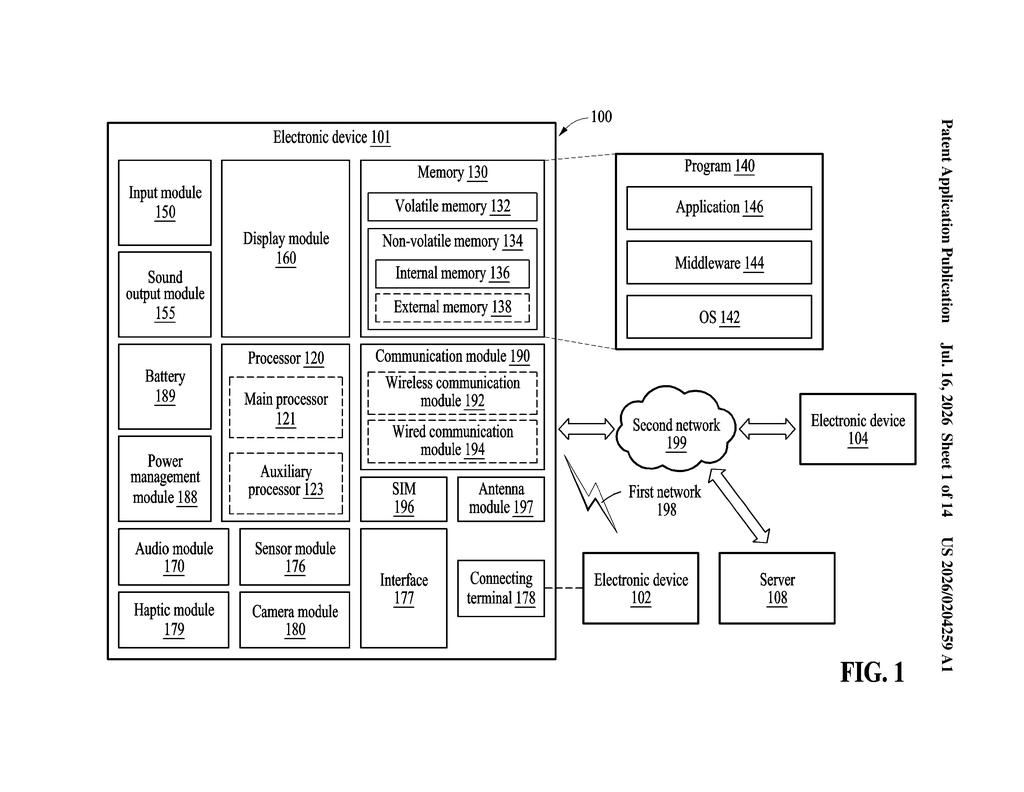
What Samsung's automatic prompt builder actually does
Imagine asking your phone to "draft a reply to my last email in a casual tone." Right now, a lot of AI assistants make you do the heavy lifting: you copy the email, paste it somewhere, type out instructions, and then copy the reply back. Samsung's patent describes a way to skip all of that.
When your device detects that you want the AI to generate text, it automatically collects the relevant data sitting on your device, bundles it with your request into a properly formatted prompt, and sends that to a language model. The model's output then triggers whatever action your original request called for.
In short, the device handles the "briefing the AI" step so you don't have to. You just say what you want, and the phone figures out what information the AI needs to actually do it.
How the device collects data and constructs the prompt
The patent describes a five-step pipeline running on an electronic device:
- Input capture: The device receives a user request, either spoken or typed.
- Trigger detection: The system checks whether the request requires text generation. If it does, a collection phase begins.
- Data collection: The device gathers contextual data relevant to the request. This could be an open email thread, a calendar entry, a contact name, or whatever on-device content maps to what the user asked for.
- Prompt construction: That collected data is combined with the user's original input to form a prompt, the instruction text that gets fed to the language model.
- Task execution: Once the language model returns a response, the device performs the actual task, such as drafting, sending, summarizing, or scheduling, based on that output.
The key design choice here is that the prompt-building step is automatic and context-aware. Instead of expecting the user to provide all the information the AI needs, the device assembles it from whatever is already available locally. The patent does not specify a particular language model, leaving that as an implementation detail.
What this means for on-device AI assistants
For everyday users, this kind of architecture is the difference between an AI assistant that feels genuinely helpful and one that just answers questions. If your phone can pull together the right context on its own before talking to the AI, your requests can be much shorter and vaguer and still get useful results. That is a real quality-of-life change for anyone who has wrestled with writing the "right" prompt to get what they wanted.
For Samsung, this sits squarely in the race among phone makers to build tighter, more capable on-device AI experiences. Google, Apple, and Samsung are all pushing assistant features that feel proactive rather than reactive, and this patent is Samsung's take on the plumbing underneath that experience.
This is a foundational plumbing patent, not a flashy feature announcement. The concept, automatically building AI prompts from device context, is genuinely useful and something every major phone maker is working on. Whether Samsung's specific implementation turns out to be patentably distinct from what Apple and Google are doing is a real question, because the idea itself is obvious to anyone watching the AI assistant space.
Get our take in your Top Stories
Liked this breakdown? Add Patentlyze as a preferred source on Google, and our plain-English take shows up more often in your Top Stories the next time Samsung patent news breaks.
There are more where this came from
We read every patent application Big Tech publishes and send you the ones worth knowing. Plain English, free, every week.
Want this weekly breakdown for a company we don't cover? Patentlyze Pro →