
Samsung Patents a System for Passing Device Control Between Your Gadgets
Samsung has filed a patent for a way to let one device earn the right to control another, and then hand that control off to a third device entirely. Think of it as a permission slip that travels between your gadgets.
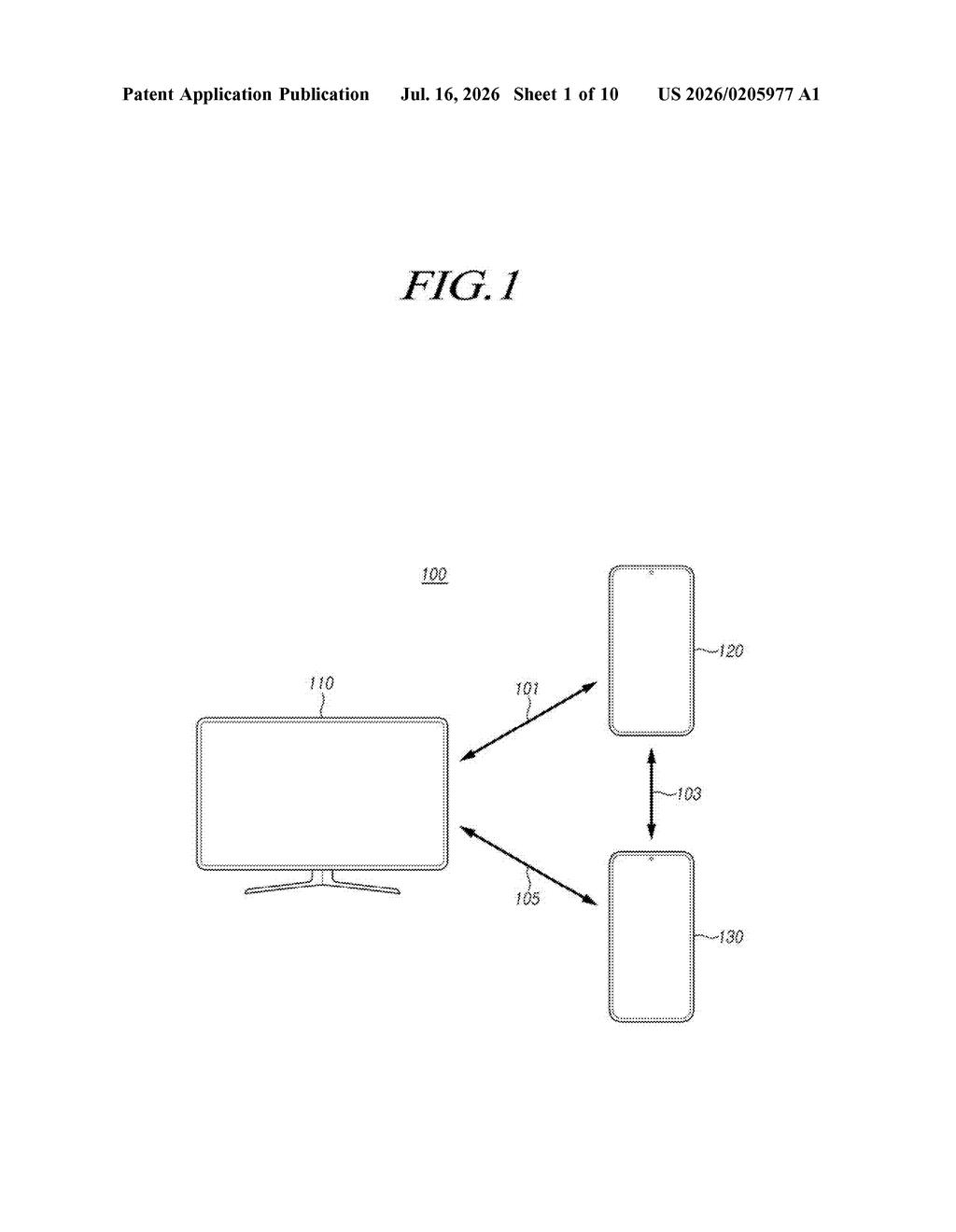
What Samsung's control-sharing patent actually does
Imagine you want your phone to control a smart TV, but then you want to hand that control over to a tablet without going through the whole setup again. That's roughly the problem Samsung is trying to solve here.
The patent describes a system where one device, say your phone, goes through a registration process to get control authority over another device, like a TV or a smart speaker. Once your phone has that authority, it can transmit the necessary data to a second device, like a tablet or a second phone, so that device can take over control without starting from scratch.
This is essentially a way to make device handoffs feel automatic. Instead of every device in your home needing its own setup process to control a shared gadget, one device does the work and shares the credentials with others.
How control authority gets registered and transferred
The patent centers on three players: a first device (the thing being controlled, like a TV or appliance), a registering device (the one that earns control authority), and a second device (the one that receives transferred authority).
The registering device collects characteristic information about the first device, which likely means identifying details like a device ID or pairing credentials, and uses that to complete a registration procedure. That registration gives it recognized control over the first device.
Once that's done, the system transmits the control authority data to a second device over a communication circuit. The second device can then control the first device using that transferred data, presumably without needing to go through its own full registration.
- Device A identifies and registers with Device B (the target)
- Device A packages the control credentials
- Device A sends those credentials to Device C
- Device C can now control Device B
The patent is written at a broad, architectural level, so it doesn't specify what kind of communication protocol carries the data or exactly how authentication works at the receiving end.
What this could mean for Samsung's connected-home lineup
For Samsung, which sells phones, tablets, TVs, home appliances, and wearables all under one roof, a frictionless way to share device control between products is a real quality-of-life win. If you pick up a Galaxy Tab that hasn't been near your TV before, you shouldn't have to re-pair everything from scratch.
The broader implication is for shared households and multi-device environments. Right now, adding a new device to a smart-home setup often means repeating pairing steps. A patent like this, if it ships, could mean your family members' phones automatically inherit control rights when needed, rather than each going through their own setup.
This is a sensible, if unglamorous, piece of infrastructure work. The patent is written so broadly that it's hard to get excited about the technical details, but the practical use case, passing device control between phones and tablets without re-pairing, is something real users actually want. Whether Samsung builds something meaningfully different from what SmartThings already does remains to be seen.
There are more where this came from
We read every patent application Big Tech publishes and send you the ones worth knowing. Plain English, free, every week.
Want this weekly breakdown for a company we don't cover? Patentlyze Pro →
Be the first to weigh in