
Samsung Patents a Way to Control Bluetooth Devices Before They've Finished Connecting
Every time you tap your phone to control a Bluetooth speaker or earbuds that aren't yet connected, you wait. Samsung's new patent wants to skip that wait entirely by sending the command before the connection is even established.
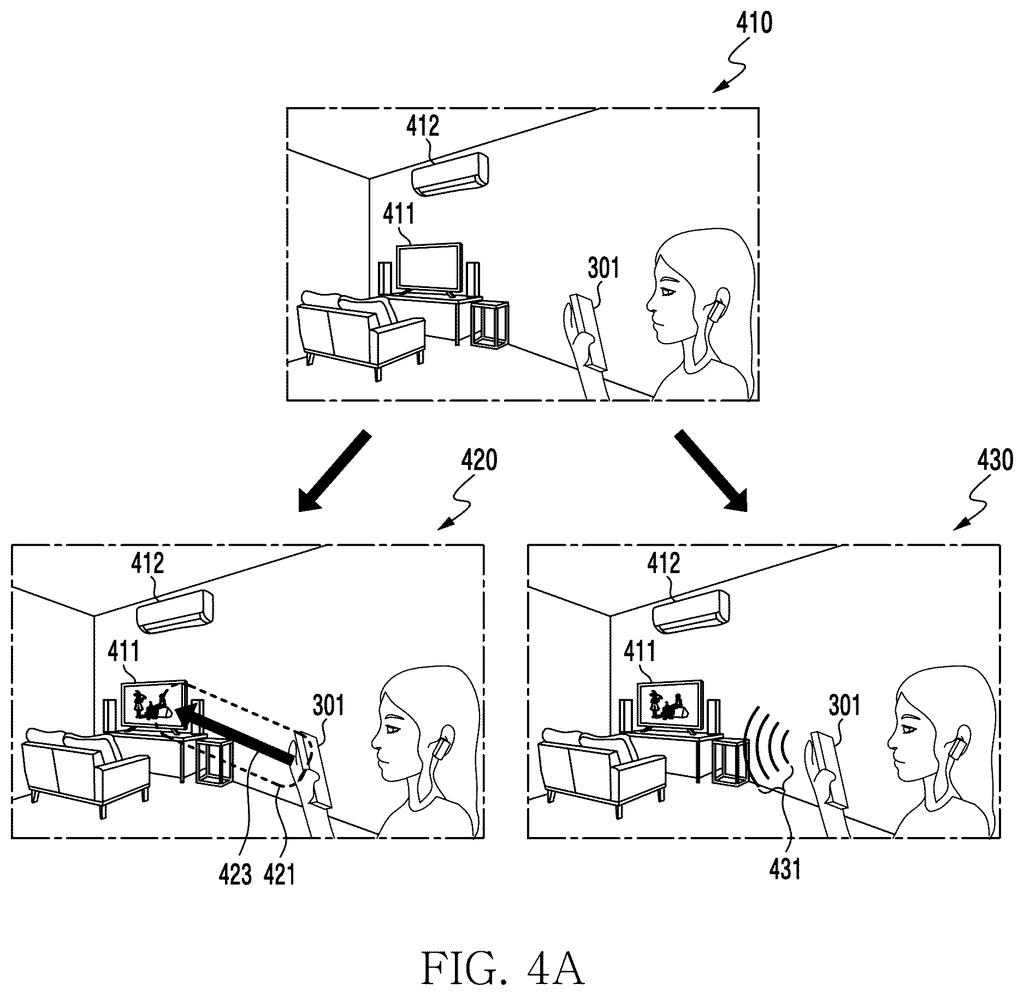
What Samsung's pre-connection Bluetooth control actually does
Imagine you want to pause your Bluetooth speaker from across the room, but your phone isn't connected to it yet. Right now, you tap pause, wait for the two devices to shake hands, and then the command finally goes through. Samsung wants to close that gap.
The idea is to bundle your control command into the initial broadcast signal your phone sends out when it's looking for another device. So instead of waiting for a full connection to form and then sending "pause," your phone shouts the instruction into the air at the same time as it's asking to connect. The speaker can act on that command immediately, without waiting for the handshake to finish.
Once the full connection does establish, the phone switches to the normal, direct channel for any further commands. It's a small timing trick, but one you'd feel every time you reach for your phone to control a gadget that's been sitting idle.
… broadcast an advertising packet, including a control command generated in accordance with the user input, identification information of the external electronic device, and a connection request for establishing the communication link …
Translation: The phone sends out a special signal that bundles your command right along with the request to connect.
How the advertising packet carries commands before pairing
Standard Bluetooth operation has a two-step sequence: first, two devices negotiate and establish a communication link (the formal, secure connection), and only then can one send commands to the other. This patent describes a way to collapse those two steps.
When a user triggers a control action on their phone and the target device isn't already connected, the phone broadcasts what the patent calls an advertising packet (a short radio announcement Bluetooth devices use to signal their presence and intent). Samsung's approach loads that packet with three things at once:
- The control command itself (for example, "play," "pause," or "volume up")
- The identification information of the target device, so only the right gadget acts on it
- A connection request, starting the normal pairing process in parallel
The receiving device is designed to recognize its own ID in the packet, execute the command before the formal link is finished, and then maintain the full connection once it's established for all subsequent commands.
The patent covers a phone or tablet acting as the controller, with the external device (a speaker, earbuds, a TV, or any registered Bluetooth peripheral) on the receiving end.
… for allowing the external electronic device to provide a function corresponding to the control command before the communication link is established …
Translation: This lets the gadget carry out your command immediately instead of waiting for the connection to finish.
What this means for everyday Bluetooth device control
For most people, Bluetooth lag is one of those small frustrations that adds up over a day of using wireless earbuds, speakers, or smart home devices. A command that arrives a second or two late because your phone had to reconnect first feels broken, even when it isn't. This approach would make cold-start control feel as instant as tapping a device that's already live.
Samsung's run of Bluetooth and device-control filings points toward tighter integration across its Galaxy ecosystem, where phones, tablets, earbuds, and TVs are expected to hand off and respond to each other fluidly. Even if you never notice the mechanism, you'd notice the difference when it works.
That makes this Samsung's 1161st filing in our Samsung coverage since May, adding to a projector streak that includes a self-correcting picture and brightness that reads the room.
What this solves is the small, familiar frustration of tapping your phone to pause a speaker or adjust earbuds volume, then waiting a beat for anything to happen. That hesitation exists because your phone has to re-establish a connection before it can send the command. Samsung's approach sends the command and the connection request together, so the device responds the moment it wakes up.
The people who feel this most are the ones moving quickly between moments: muting audio before a meeting, turning down volume the second headphones come off, pausing music on the way out the door. These are low-stakes actions that current wireless behavior consistently fumbles, just enough to be annoying.
The filing is specific and tightly scoped, which suggests a real engineering fix rather than a concept. If Samsung ships it, the result is hardware that feels more responsive without any change to the hardware itself.
There are more where this came from
We read every patent application Big Tech publishes and send you the ones worth knowing. Plain English, free, every week.
The drawings
13 drawing sheets from US 2026/0261612 A1 · click any drawing to enlarge


Want this weekly breakdown for a company we don't cover? Patentlyze Pro →