
Samsung Patents an Adaptive Voltage-Shifting System for Wireless Charging
Wireless charging can stall when the charger and battery aren't in sync — Samsung's new patent tackles that by automatically bumping the voltage reference when charging current drops too low for too long.
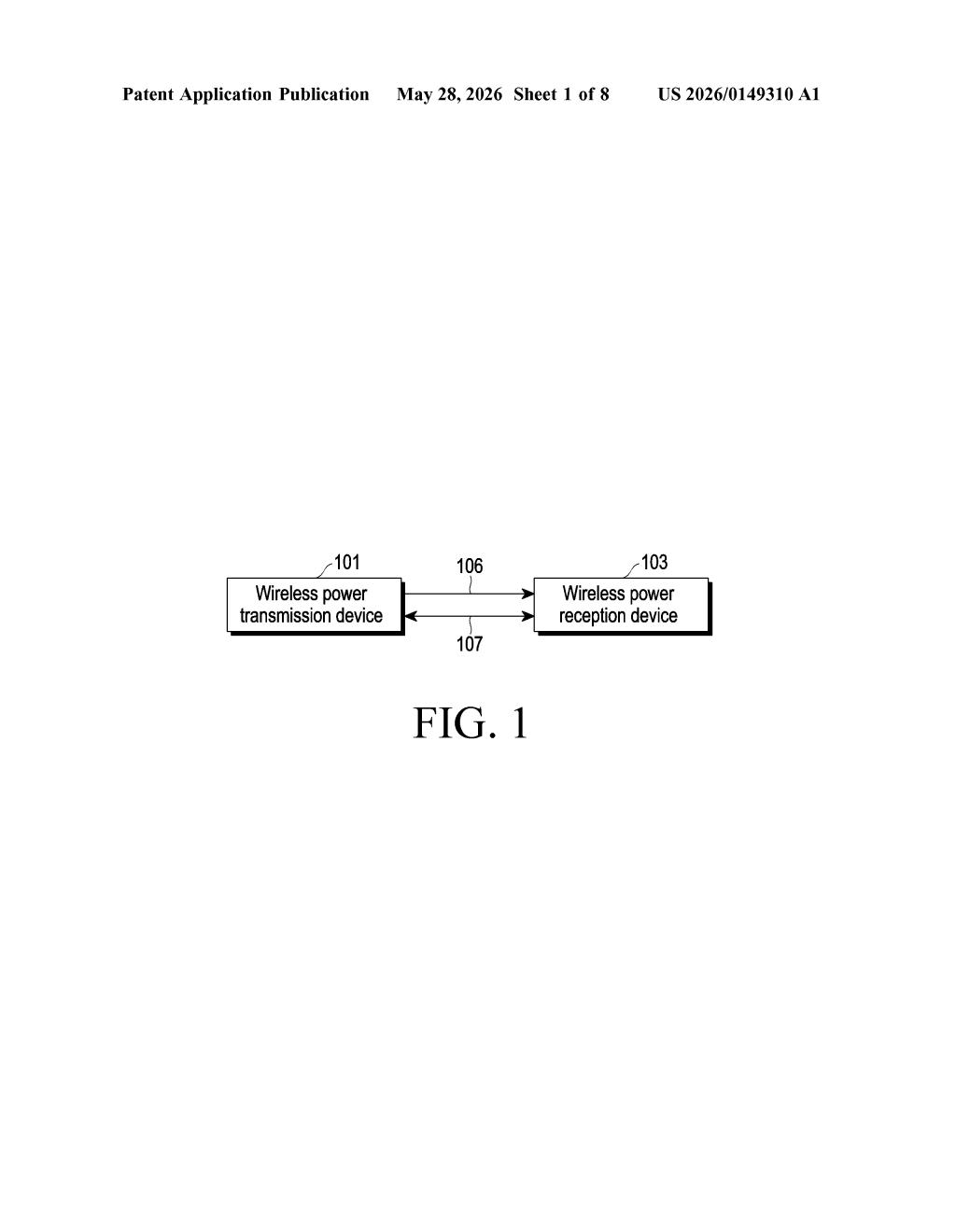
What Samsung's adaptive wireless charging voltage actually does
Imagine you're topping up your phone wirelessly and, halfway through, the charging slows to a crawl even though the charger is still running. That slowdown often happens because the voltage feeding the battery isn't quite right for what the battery needs at that moment.
Samsung's patent describes a wireless charging system that watches the output current flowing into the battery. If that current stays below a target level for a set period of time, the system decides the original voltage setting isn't working well enough — and automatically switches to a different, higher reference voltage to try to push more current through.
Think of it like a thermostat that bumps up the heat when the room isn't warming fast enough. You don't have to do anything — the charger figures it out on its own. The goal is to keep charging efficient and fast across different charge states without you ever noticing a problem.
How the converter detects low current and shifts voltage reference
The patent covers a wireless power receiving device built around five core components: a receiving coil (picks up energy from the charging pad), a rectifier (converts AC to DC), a converter (steps the voltage up or down), a battery, and a processor that orchestrates everything.
The key logic lives in the processor. It first instructs the converter to hold the input voltage — the voltage coming out of the rectifier and going into the converter — steady at a first reference voltage. While that's happening, it watches the output current flowing from the converter to the battery.
If the output current stays below a specified target current for a specified period of time, the processor interprets this as a signal that the current reference voltage isn't delivering enough charge efficiently. It then shifts the reference voltage to a second reference voltage — essentially reconfiguring the converter's operating point to drive more current into the battery.
- The system monitors current continuously during charging
- A time threshold prevents jittery, unnecessary switching
- The voltage reference change is triggered automatically, without user input or external commands
This is a closed-loop control approach (the system uses its own output measurements as feedback to adjust behavior), applied specifically to the voltage regulation stage of wireless power transfer.
What this means for wireless charging speed and efficiency
Wireless charging efficiency drops off at certain battery states — particularly as the battery approaches full charge or when coil alignment isn't perfect. A fixed voltage reference can leave power on the table or cause unnecessary heat. Samsung's approach adds a self-correcting step that could keep charging current closer to optimal across a wider range of real-world conditions, potentially shortening charge times without requiring a firmware update or user intervention.
For you as a user, this is the kind of under-the-hood improvement that might show up as slightly faster top-up charging on a Galaxy phone or tablet — the kind of thing that's easy to overlook but quietly makes the experience better over time.
This is a solid but narrow patent covering one specific adaptation logic in a wireless charging pipeline. It won't rewrite how wireless charging works, but the current-monitoring feedback loop is a sensible engineering refinement that addresses a real inefficiency. Samsung files extensively in charging IP, and this fits neatly into that portfolio.
There are more where this came from
We read every patent application Big Tech publishes and send you the ones worth knowing. Plain English, free, every week.
Want this weekly breakdown for a company we don't cover? Patentlyze Pro →