
Sony Patents Cameras That Learn and Improve Their Own Picture Analysis On-Device
Most cameras send their images somewhere else to get smarter. Sony is patenting a chip where the camera learns from what it sees without the raw footage ever leaving the sensor.
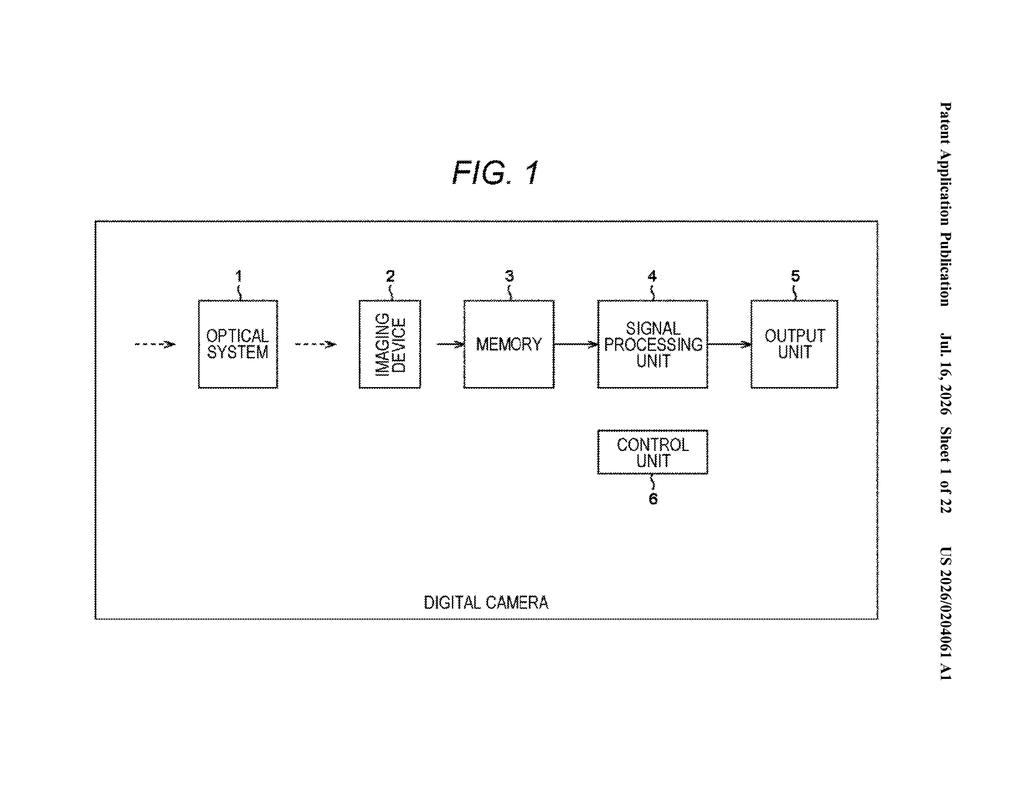
What Sony's self-training camera sensor actually does
Imagine a security camera that gets better at recognizing faces or detecting motion over time, but never uploads your footage to a server to do it. That's the idea here.
Sony is filing a patent for a camera chip that can do two things at once: use an AI model to analyze images as they're captured, and update that model based on what it sees, all on the same tiny piece of silicon. No cloud, no data transfer, no outside server required.
This matters because right now, teaching an AI usually means sending a lot of data to a powerful computer somewhere. If Sony can pull that off inside the camera itself, it changes the privacy math considerably. Your images stay on your device, and the camera still gets smarter over time.
How inference and training share the same chip
The patent describes a camera chip where the imaging unit (the part that captures the picture) and the processing unit (the AI brain) are baked onto a single chip together.
That processing unit does two distinct jobs:
- Inference processing: analyzing each captured image using a pre-existing AI model, for example recognizing objects, detecting motion, or flagging anomalies.
- Training processing: updating that same AI model based on new images, so its predictions improve over time.
The key word in the claim is "integrated into a chip." Inference (running the AI) and training (updating the AI) normally require very different hardware setups, and training is typically offloaded to large servers. Combining both on one chip alongside the sensor is the novel engineering challenge Sony is addressing here.
The patent is light on specifics about which AI architectures are used or how training data is labeled, but the core claim is about co-locating the image capture hardware and the learning hardware so the raw image data never has to leave the device.
What on-chip AI training means for camera privacy
The practical upside is privacy. If a camera can train its own AI locally, manufacturers and operators don't need to pipeline sensitive footage to external servers, which is a significant concern in medical imaging, home security, and industrial monitoring. Regulations in the EU and elsewhere are already tightening around where image data can travel, so a chip that keeps everything on-board is increasingly valuable from a compliance standpoint.
For Sony Semiconductor Solutions, which supplies image sensors to a huge portion of the smartphone and camera industry, this positions them to offer a chip that is both a sensor and an AI processor that improves itself. Whether that capability appears in a consumer device or an industrial camera first is an open question, but the underlying chip architecture would be the same.
This is a genuinely interesting privacy-forward design, and Sony is well placed to ship it given how many camera sensors they already supply. The patent is intentionally broad, which means it could apply to anything from a smartphone to a factory floor camera. Don't expect this in your next phone camera anytime soon, but as on-device AI hardware matures, the idea of a sensor that trains itself locally is a real near-term direction.
There are more where this came from
We read every patent application Big Tech publishes and send you the ones worth knowing. Plain English, free, every week.
Want this weekly breakdown for a company we don't cover? Patentlyze Pro →