
Qualcomm Patents a Way to Run AI Models on Chips With Fewer Resources
Running AI on a smartwatch or a cheap sensor chip is hard because those devices have almost no spare memory. Qualcomm is patenting a technique that compresses the steps an AI takes, so the whole process fits in tighter spaces.
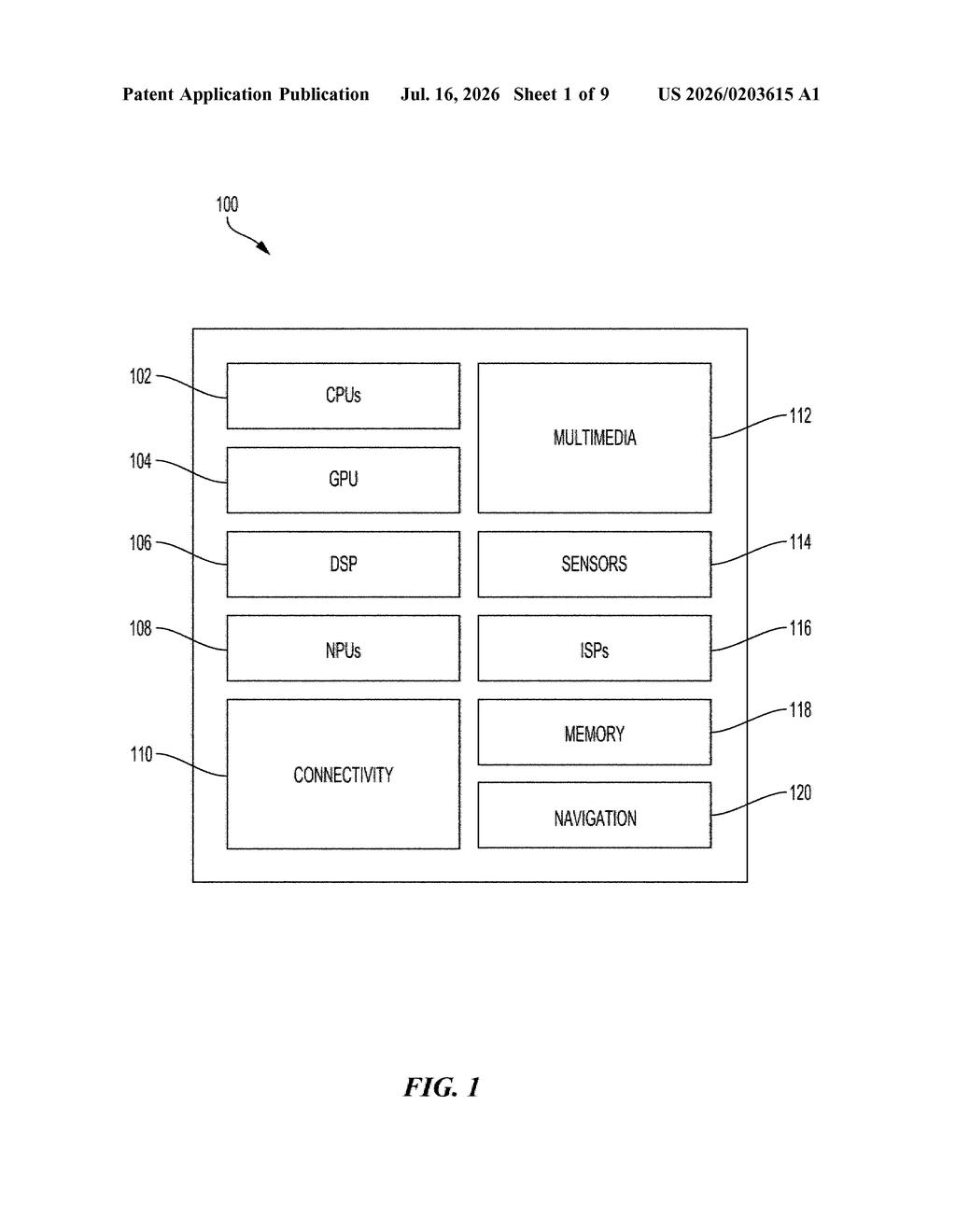
How Qualcomm shrinks AI to fit on tiny chips
Imagine asking a chef to cook a five-course meal in a studio apartment kitchen. The problem isn't skill, it's space. Running AI on a small chip has the same problem: the chip doesn't have enough memory to hold all the AI's working steps at once.
Qualcomm's patent describes a way to combine multiple processing steps inside an AI model into a single merged step, called a fused layer. Instead of storing intermediate results between steps, the combined step handles everything in one pass, keeping memory use low.
The goal is to let devices like phones, wireless earbuds, or industrial sensors run AI tasks locally, without needing to send data to a cloud server. That means faster responses and fewer privacy concerns, since your data never leaves the device.
How fused layers cut memory use during inference
The patent describes a method for running an artificial neural network (ANN) on hardware with limited memory and processing power, often called resource-constrained or edge devices.
Normally, a neural network passes data through many separate layers, each one producing an intermediate result that gets stored in a buffer (a temporary memory slot) before the next layer reads it. On a phone or small chip, those buffers pile up fast and can overwhelm available memory.
Qualcomm's approach introduces fused layers: two or more consecutive network operations are collapsed into a single combined operation. Because the intermediate result no longer needs to be written out and stored, the memory buffer requirement shrinks. The patent also references source code synthesis, meaning the fused layer logic can be auto-generated as optimized code tuned to a specific chip's architecture, rather than relying on generic software.
The result is an AI inference pipeline (the chain of steps the model takes to reach an answer) that:
- Uses less working memory by eliminating intermediate buffers
- Can run faster because fewer read/write operations happen
- Is tailored to the target hardware through generated code
What this means for AI on phones and edge devices
The push to run AI directly on devices, rather than in the cloud, is real and accelerating. On-device AI means lower latency (the answer comes back faster), no internet dependency, and data that stays on your device. The bottleneck has always been that small chips have limited memory and processing headroom.
For you, a practical version of this technology could mean better voice recognition in earbuds, real-time image processing on a cheap security camera, or longer battery life on a phone running an AI assistant, because the chip isn't working as hard. Qualcomm supplies chips across phones, cars, and industrial equipment, so any efficiency gain here touches a very wide range of products.
This is unglamorous but genuinely useful engineering work. Fusing neural network layers to cut memory overhead is an established idea in the field, so the novelty here is likely in the specifics of how Qualcomm implements the buffer compression and the code-generation step for its particular chip families. Don't expect a consumer announcement tied directly to this filing, but the underlying problem it solves is one of the core reasons AI on small devices still feels limited.
There are more where this came from
We read every patent application Big Tech publishes and send you the ones worth knowing. Plain English, free, every week.
Want this weekly breakdown for a company we don't cover? Patentlyze Pro →