
Samsung Patents an AI System That Fills In Missing Data During Chip Manufacturing
When a sensor on a chip-making machine goes silent, the data it should have recorded is gone, and that gap can mean a bad batch of chips nobody catches until it's too late. Samsung's new patent describes an AI system that reconstructs what that sensor would have recorded, filling the hole before it becomes a problem.
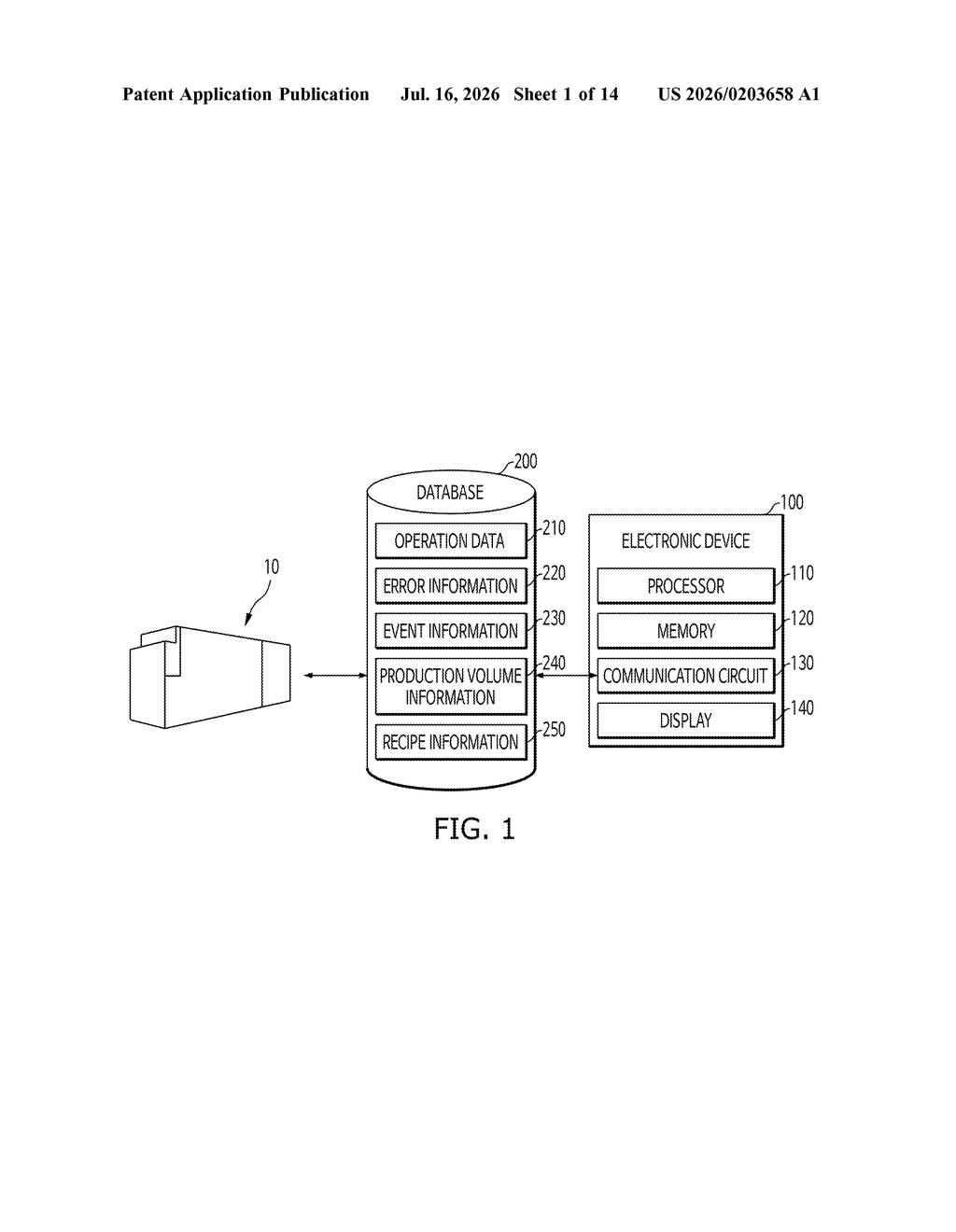
What Samsung's chip-factory data recovery system actually does
Imagine a factory making computer chips where dozens of sensors are constantly tracking every step of the process. If one sensor drops out, or its data gets corrupted, you suddenly have a gap in your records. That gap can hide a defect that ruins thousands of chips, or it can trip up the software trying to monitor quality.
Samsung's patent describes an electronic device that watches over the chip-making machines in real time. When it detects that some data is missing or corrupt, it builds a model to reconstruct what that data should have been, based on what all the other sensors recorded during that same window.
The goal is to keep the monitoring picture complete even when individual data streams fail. Rather than flagging an error and stopping production, the system fills in the gap and hands back a complete picture of what happened inside the machine.
How the restoration model reconstructs lost operation data
The patent describes a device that connects to a semiconductor exposure machine (the tool that uses light to etch circuit patterns onto a chip, sometimes called a lithography system). That machine has many moving parts, called assemblies, each generating its own stream of data.
The device does four things in sequence:
- Collect: It gathers operation data from all those assemblies during an exposure run on a wafer.
- Identify: It spots what the patent calls a loss operation, meaning a moment when data from one or more assemblies is missing or corrupted.
- Build a model: It generates a restoration model, essentially an AI trained on the surrounding good data, designed to predict what the missing values should look like.
- Restore: It runs the restoration model to produce restoration operation data, a synthetic but informed replacement for the lost readings.
The patent does not specify which AI architecture the restoration model uses, so the approach is intentionally broad. The core idea is that because all the assemblies in one machine are physically related, data from healthy sensors can reasonably predict what a failed sensor would have recorded.
What this means for semiconductor yield and quality control
Semiconductor manufacturing is one of the most data-intensive industrial processes on the planet. A single wafer passes through dozens of steps, and equipment vendors, fabs, and quality teams all depend on complete logs to trace defects back to their source. When data is missing, engineers either have to scrap that wafer's traceability record or make guesses. Both options cost time and money.
For Samsung, which operates its own large-scale chip fabs and supplies chips to external customers, better data continuity means fewer unexplained yield drops and faster defect investigations. If this system works as described, it could reduce the number of wafers discarded because their process history has a gap, which adds up quickly when you are running millions of wafers per year.
This is a practical patent, not a flashy AI play. The problem it solves, missing sensor data in chip factories, is real and expensive, and the approach of using surrounding good data to reconstruct bad data is sensible. Whether the restored data is accurate enough to actually trust is the engineering challenge the patent does not fully answer, but the problem statement alone makes this worth watching as chip fabs push toward more automated quality control.
Get our take in your Top Stories
Liked this breakdown? Add Patentlyze as a preferred source on Google, and our plain-English take shows up more often in your Top Stories the next time Samsung patent news breaks.
There are more where this came from
We read every patent application Big Tech publishes and send you the ones worth knowing. Plain English, free, every week.
Want this weekly breakdown for a company we don't cover? Patentlyze Pro →