
Samsung Patents a Cache System That Keeps AI Training From Sitting Idle
Training an AI model sounds like pure computing power, but a surprising amount of time is lost just waiting for data to show up. Samsung's new patent targets that hidden bottleneck.
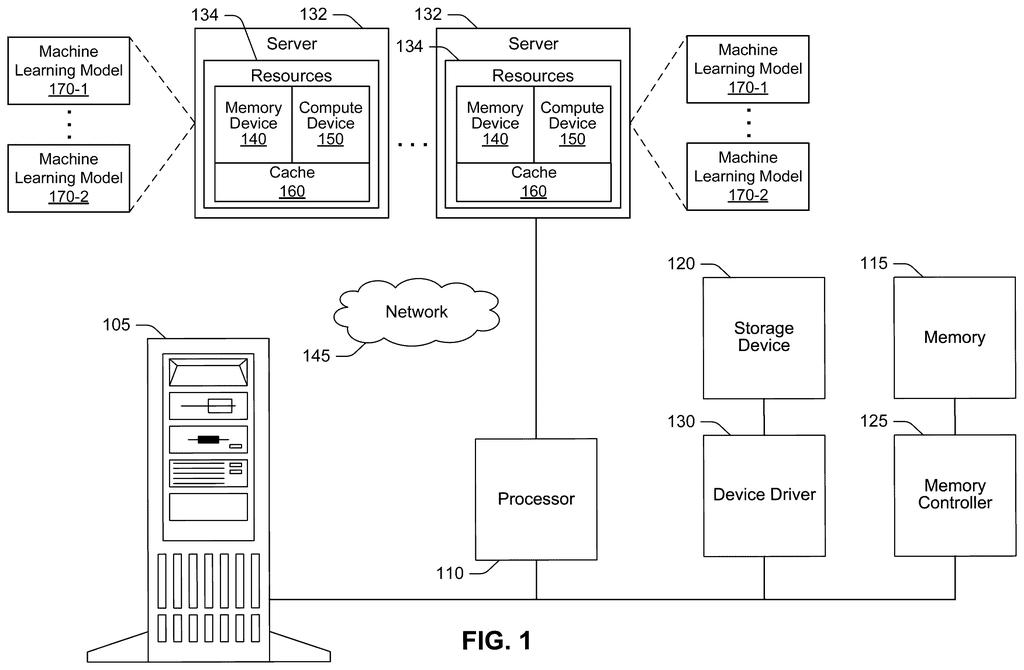
What Samsung's AI training cache actually does
Imagine a chef who has to pause cooking every few minutes because the prep team is still chopping vegetables. The stove is ready, but the ingredients aren't. Training an AI model has the same problem: the computer sits waiting for training examples to be loaded, cleaned, and formatted while expensive hardware goes unused.
Samsung's patent describes a smarter holding area (a "cache") that stores pre-prepared training data so the AI never has to wait. The system figures out exactly how big that holding area needs to be based on how fast data flows through the pipeline, so you're not wasting memory on a cache that's too large or starving the AI with one that's too small.
The clever part: if the system reaches for a specific data example and it isn't in the cache yet, it grabs a different pre-prepared example that the model hasn't seen before and uses that instead. No pause, no wasted time. The training just keeps going.
How the system picks cache size and swaps in backup data
The patent describes a two-part system for managing a data cache during AI model training.
Cache sizing via pipeline modeling: Before training starts, the system models the throughput (the data-flow rate) of the entire storage and ingestion pipeline. It uses that estimate to calculate the right amount of cache memory to allocate. Too little and the training GPU stalls waiting for data; too much and you're wasting expensive memory.
Cache-miss substitution: During training, data is assembled into batches (groups of examples fed to the model at once). When the system needs a specific training example and that example isn't in the cache yet (a "cache miss"), instead of stalling, it scans the cache for any pre-formatted example the model hasn't been trained on yet, and substitutes it into the batch. The substitution preserves the statistical variety the model needs without breaking the training loop.
The key insight is that for most AI training tasks, which specific example fills a batch slot matters less than ensuring the slot is always filled with something fresh. The patent claims this approach keeps GPU utilization high while maintaining training quality.
What this means for the cost of training large AI models
Training large AI models is expensive, and a significant fraction of that cost comes from hardware sitting idle while waiting for data rather than actually learning. Systems that keep GPUs fed continuously can meaningfully cut the time and compute cost per training run.
For Samsung, which makes both the memory chips and the AI accelerator chips that go into data center servers, this is a natural place to file intellectual property. A caching strategy baked into their hardware or software stack could be a selling point for customers running large-scale model training workloads.
This is infrastructure-level engineering work, not a flashy consumer feature. It won't make headlines outside of data center circles, but better cache utilization during training is a real and persistent problem. Whether this specific substitution approach beats existing data-loading frameworks like those used in PyTorch's DataLoader is an open question the patent doesn't answer.
There are more where this came from
We read every patent application Big Tech publishes and send you the ones worth knowing. Plain English, free, every week.
The drawings
9 drawing sheets from US 2026/0220011 A1 · click any drawing to enlarge


Want this weekly breakdown for a company we don't cover? Patentlyze Pro →