
Qualcomm Patents a Headset That Controls Menus by Tracking Where You Look
Qualcomm is patenting a system that lets an extended reality headset watch where your eyes are pointing and then automatically change what appears on screen based on that. It's essentially turning your gaze into a remote control.
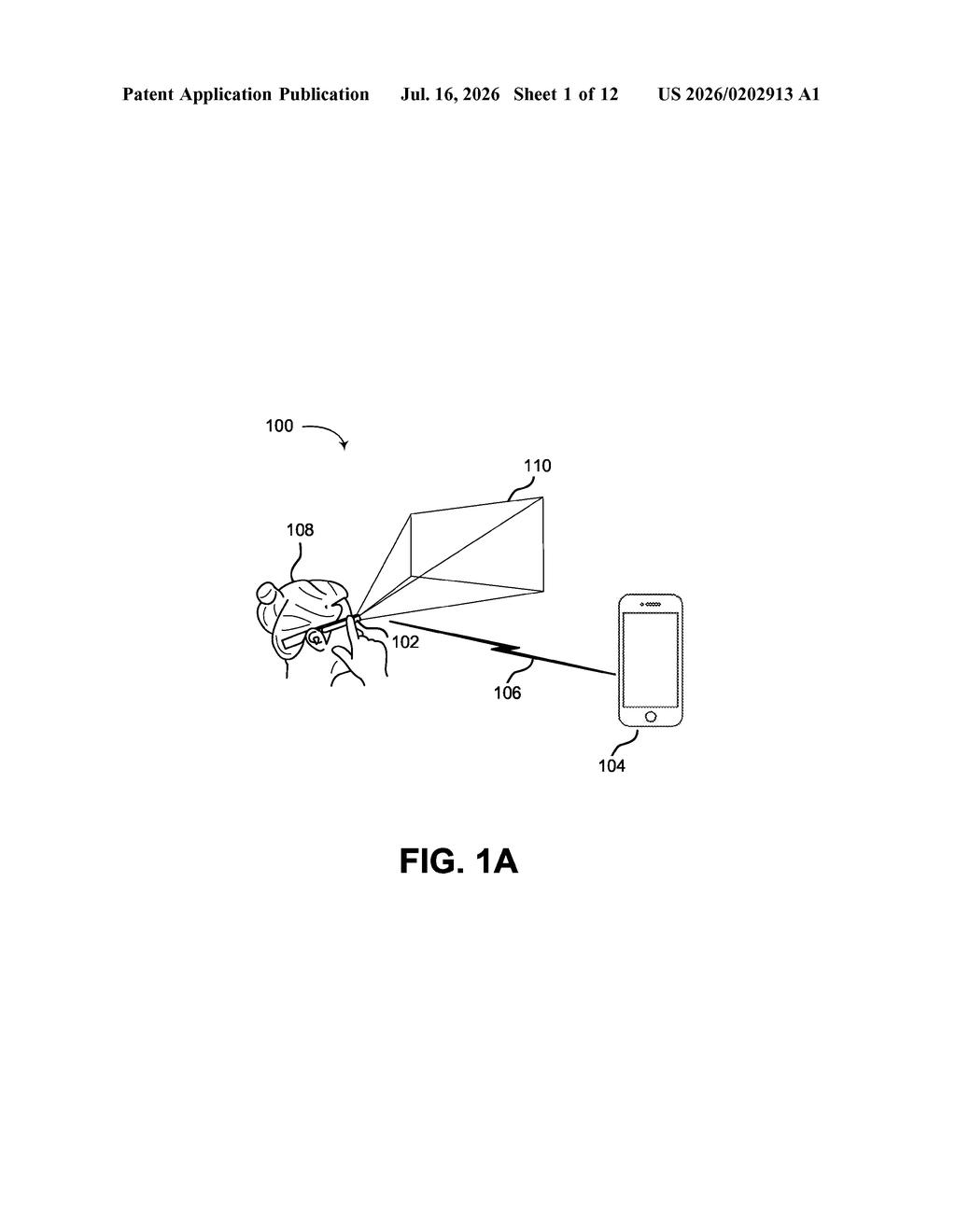
What Qualcomm's gaze-based display control actually does
Imagine putting on a VR or AR headset and never needing to reach for a controller to navigate menus. The headset's cameras watch your eyes, figure out where you're looking on the screen, and then rearrange the interface to match what you probably want to do next.
That's the core idea in this Qualcomm filing. The system tracks your gaze direction, maps it to a specific region of the display, and then generates interface changes tied to that region. Look at a button, and the system can highlight or activate it. Look toward an edge, and the display might shift or scroll.
Qualcomm makes the chips that power many XR headsets, so this kind of patent is less about building a consumer device and more about baking eye-tracking smarts directly into the hardware and software stack that headset makers buy.
How the headset maps your gaze to GUI actions
The patent describes an apparatus (read: a headset or XR device) with at least one camera pointed at the user's eyes. Those cameras capture image data continuously, and the processor uses that data to calculate the direction of gaze, meaning which part of the display the user is looking at.
Once the system knows where you're looking, it identifies the corresponding region on the display. From there, it generates what the patent calls GUI control actions, basically instructions to reconfigure the graphical user interface in ways appropriate to that region. The updated interface is then pushed to the display.
The loop looks like this:
- Camera captures eye image data
- Processor calculates gaze direction
- System identifies which display region the gaze maps to
- GUI control actions are generated for that region
- Display updates to reflect the new configuration
The claim is broad: it covers one or more cameras and one or more displays, leaving room for multi-screen or passthrough AR setups, not just traditional VR headsets.
What this means for the XR headset market
Eye tracking is already present in high-end headsets like Apple Vision Pro and Meta Quest Pro, but it's still far from universal. Qualcomm's chipsets power a wide range of Android-based XR devices, and a patent like this suggests the company wants eye-gaze-driven UI to be a standard feature at the silicon level, something device makers can build on without reinventing the wheel.
For you as a user, the practical promise is fewer button presses and less reliance on hand controllers for basic navigation. For headset makers, it's a potential differentiator in a market where comfort and intuitive control are still unsolved problems.
This is a fairly broad, foundational patent covering the general idea of using eye tracking to drive interface changes in XR devices. It's not describing a specific novel trick so much as staking out territory in an area that's already becoming standard practice. The real significance is Qualcomm positioning itself as the platform layer for eye-driven UX across dozens of third-party headsets.
Get our take in your Top Stories
Liked this breakdown? Add Patentlyze as a preferred source on Google, and our plain-English take shows up more often in your Top Stories the next time Qualcomm patent news breaks.
There are more where this came from
We read every patent application Big Tech publishes and send you the ones worth knowing. Plain English, free, every week.
Want this weekly breakdown for a company we don't cover? Patentlyze Pro →