
Qualcomm Patents a Color Processing System That Treats Your Central Vision Differently
Your eyes don't treat every part of your vision equally, and Qualcomm thinks your headset's color processor shouldn't either. This patent describes a system that applies different color transformations to the center and the edges of an image, depending on where you're actually looking.
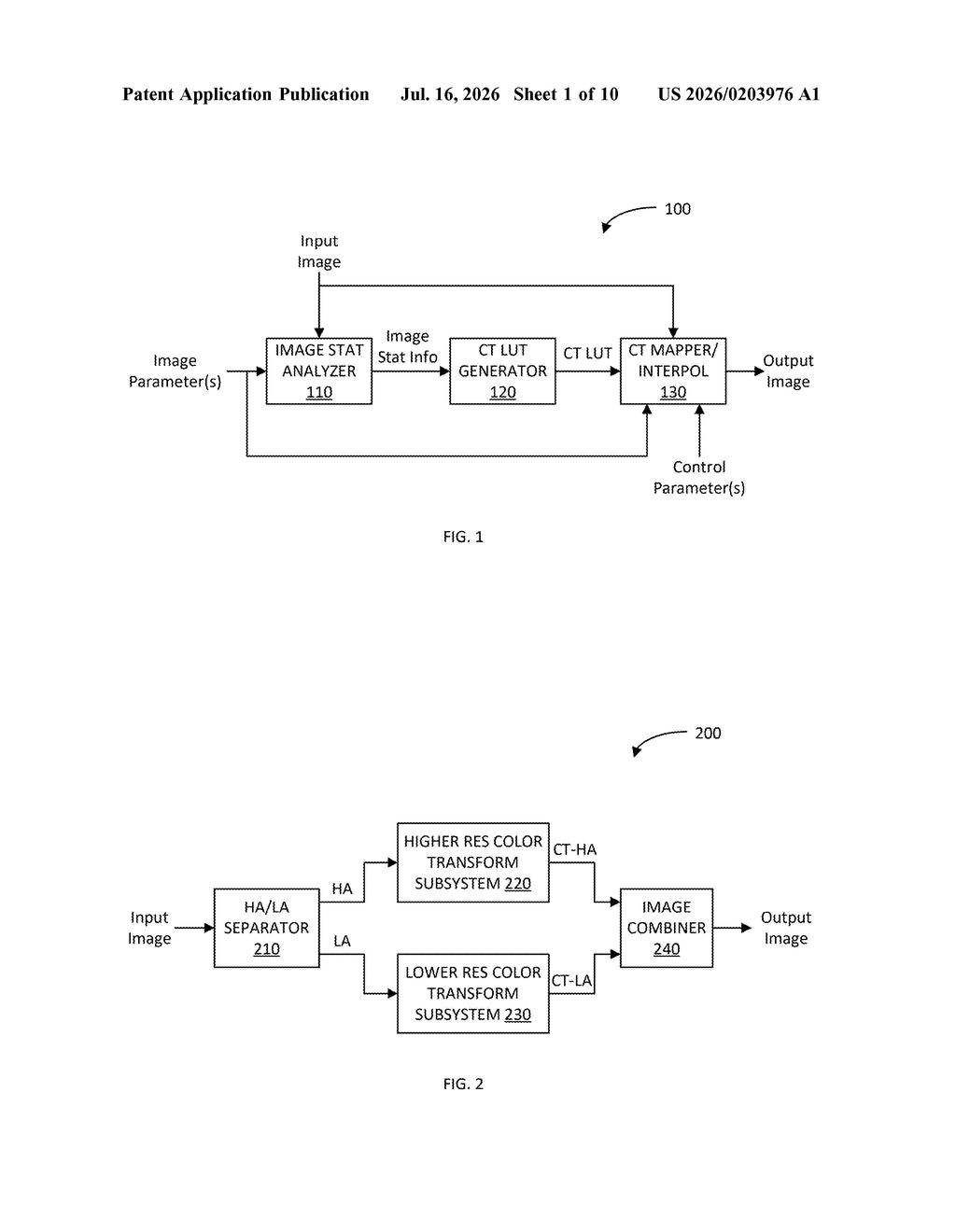
How Qualcomm's eye-focused color system works
Imagine reading a page: your eyes focus sharply on the words in the middle, while the edges of your vision are blurry and less detailed. Your brain barely notices what's in that peripheral zone. Extended reality (XR) headsets, though, traditionally process every pixel of every frame with the same amount of effort, whether you're looking directly at something or not.
Qualcomm's patent describes a system that splits an image into at least two regions, a central "foveal" zone where you're focused, and a surrounding peripheral zone, and then applies different color conversion processes to each. The idea is borrowed from a technique called foveated rendering, which is already used to reduce graphics workload by drawing the center of your view in high detail and the edges at lower quality.
By doing something similar for color processing, a headset chip could use a more precise (and power-hungry) color transform where your eyes actually land, and a faster, simpler one everywhere else. The result gets stitched back together into one final image before you see it.
Inside the two-subsystem color transform pipeline
The patent describes an apparatus with three core components:
- First color transform subsystem: Handles the first region of the input image, likely the center or foveal area, and converts it using one color transformation process.
- Second color transform subsystem: Handles a second region, likely the periphery, and converts it using a separate (presumably simpler or faster) color transformation process.
- Image combiner: Merges both processed sub-images back into a single output image before it's displayed.
The term "foveated rendering" in the title refers to a display technique that mirrors how human eyes work: your fovea (the central part of your retina) sees in sharp detail, while peripheral vision is much lower resolution. Foveated rendering systems, often paired with eye-tracking sensors, already reduce the graphics processing burden in some XR headsets by rendering less detail where you aren't looking.
This patent extends that logic to color transformation, which is the step where raw pixel values get converted into the correct color space for a specific display. Color math can be computationally expensive, especially for high-accuracy HDR (high dynamic range) or wide-color-gamut displays. Running a full precision transform on every pixel equally wastes processing power on areas the viewer's eye can't fully appreciate anyway.
What this means for XR headset battery and image quality
For XR headsets, battery life and chip heat are constant engineering headaches. Any technique that reduces the compute load without visibly degrading image quality is genuinely useful. By applying a lighter color transform to the peripheral region of the frame, a Qualcomm chip could save power or free up processing budget for other tasks, all without you noticing the difference.
Qualcomm supplies the processors inside many XR headsets on the market today, including the Snapdragon XR series used in devices from Meta and others. A power-saving color pipeline could translate directly into longer comfortable use sessions or thinner, lighter device designs. It's incremental engineering, but the kind that compounds across a product.
This is quiet, focused optimization work rather than a flashy capability announcement. Foveated rendering as a concept isn't new, and applying it to color processing is a logical extension that other chip designers have likely considered. What matters is whether Qualcomm can implement it efficiently enough to make a measurable real-world difference in headset battery life or thermal performance. Given where their Snapdragon XR chips sit in the market, there's every reason to think this ends up in shipping hardware.
Get our take in your Top Stories
Liked this breakdown? Add Patentlyze as a preferred source on Google, and our plain-English take shows up more often in your Top Stories the next time Qualcomm patent news breaks.
There are more where this came from
We read every patent application Big Tech publishes and send you the ones worth knowing. Plain English, free, every week.
Want this weekly breakdown for a company we don't cover? Patentlyze Pro →