
IBM Patents Smart Glasses That Verify Who You Are and Open Doors Around You
Imagine walking into a server room and having every door, terminal, and cabinet automatically unlock, or stay locked, based on who you are, verified through your AR headset. That's the core idea in this IBM patent.
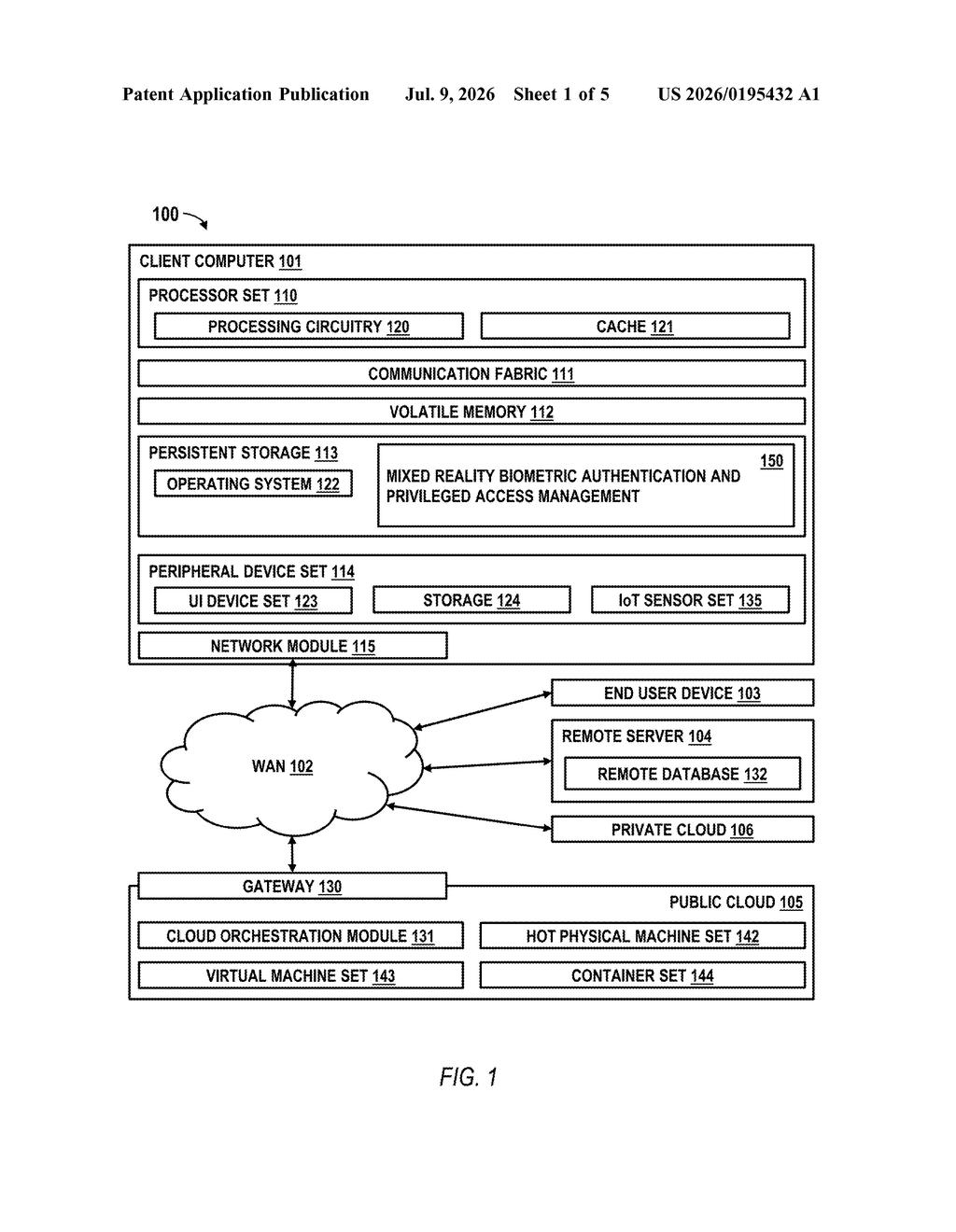
How IBM's AR glasses would handle door and device access
Picture this: you put on a pair of mixed reality glasses at work and walk up to a locked computer or a secured cabinet. Instead of typing a password or swiping a badge, the glasses already know who you are (from built-in biometric checks) and where you're standing. They tell the nearby device to let you in, or keep it locked if you don't have permission.
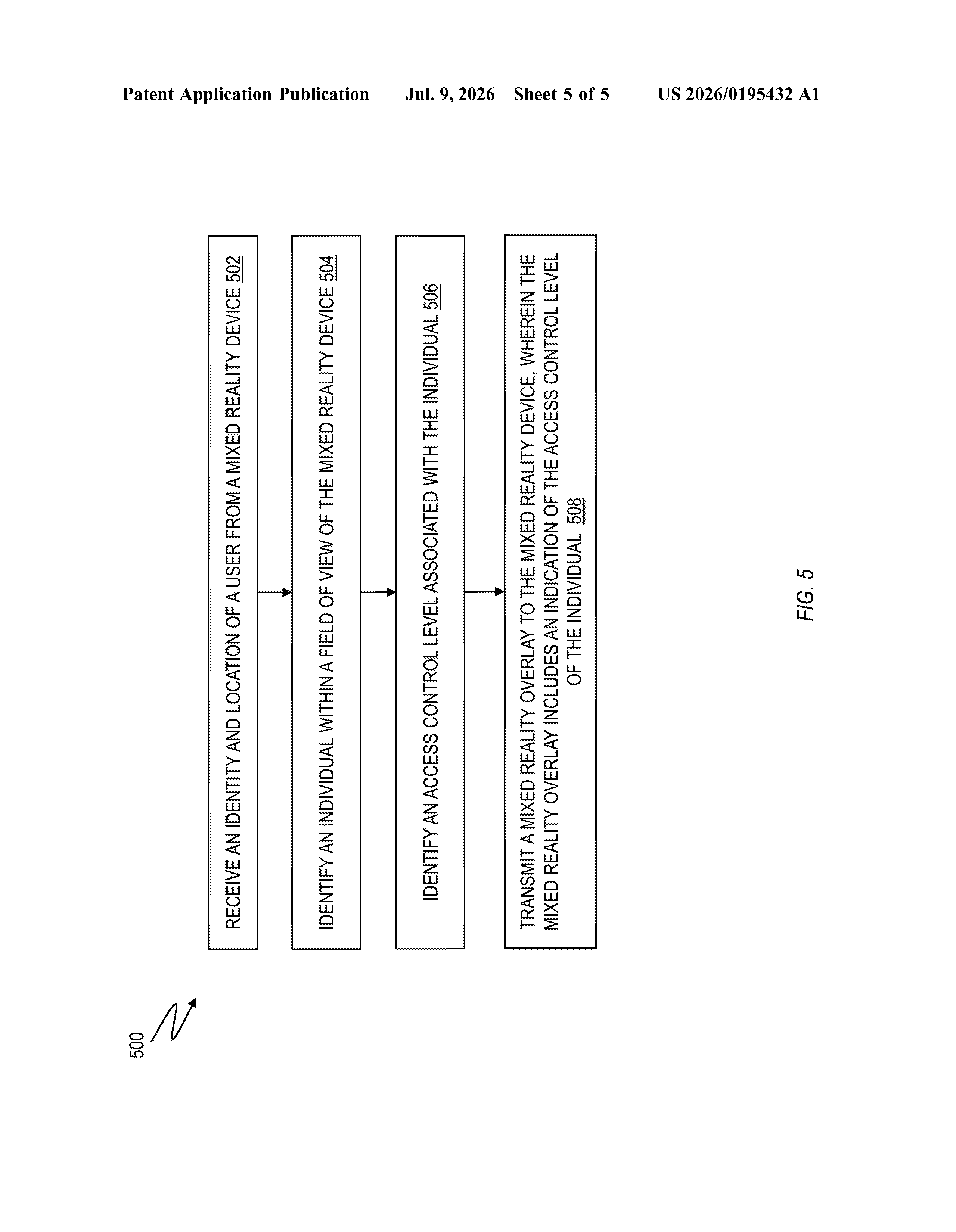
The glasses also display visual overlays on whatever you're looking at, showing you what you can and can't access before you even try. Think of it like a color-coded permission badge that hovers in your field of view.
IBM's system connects three things: your identity (verified by the headset), your physical location, and the specific devices in front of you. The result is an access control system that's entirely hands-free and tied to who you are rather than what card or password you're carrying.
How the system ties your identity to nearby device permissions
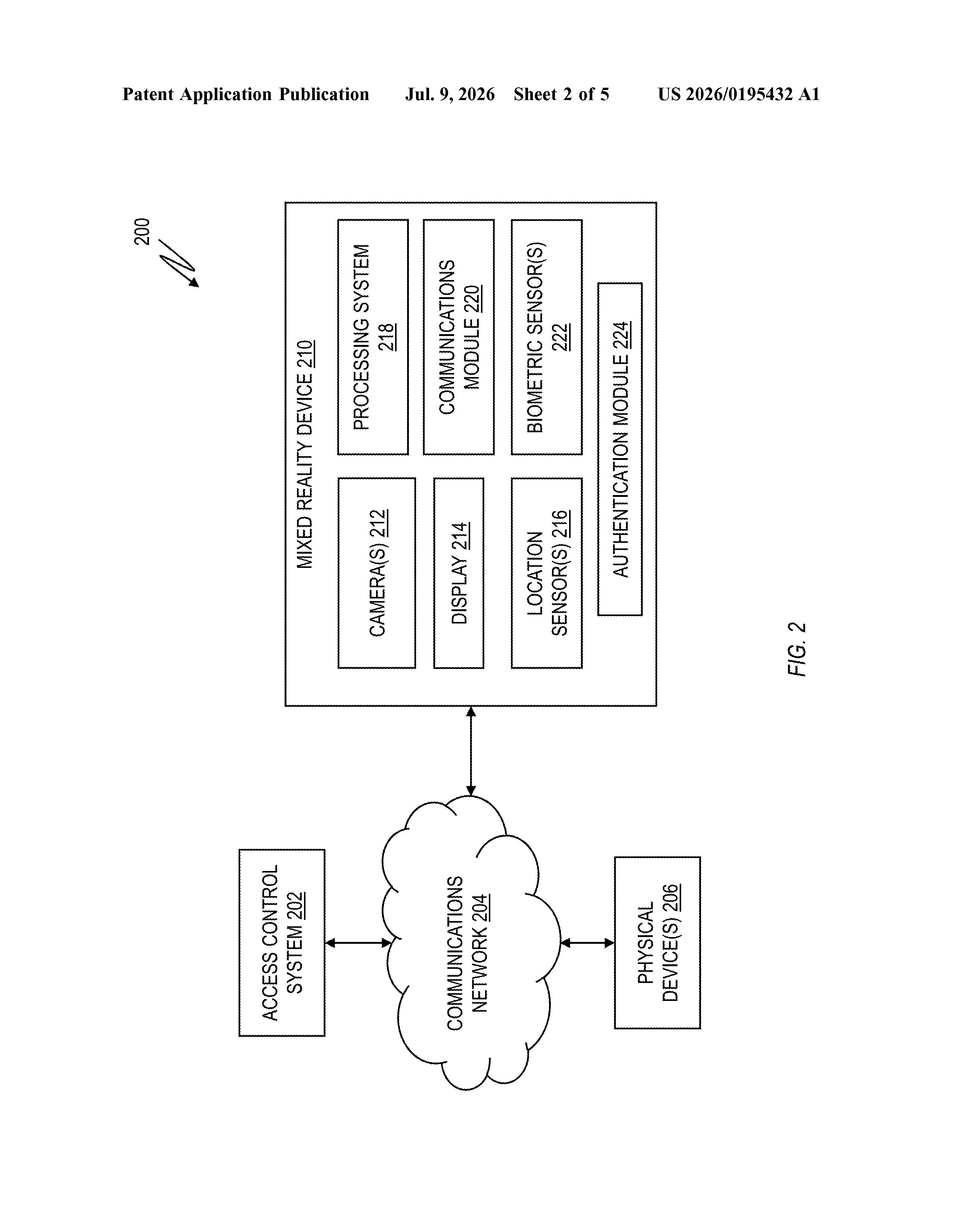
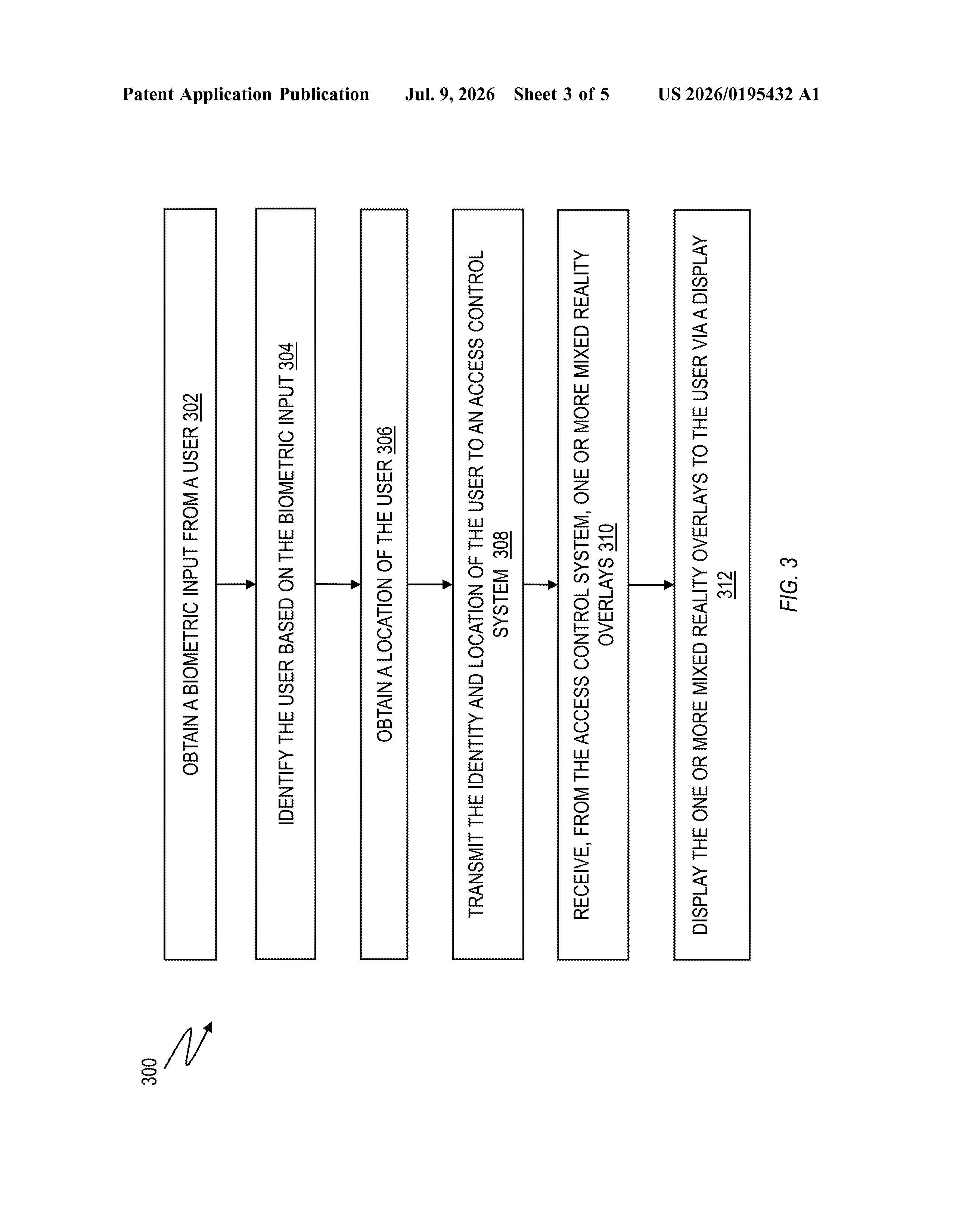
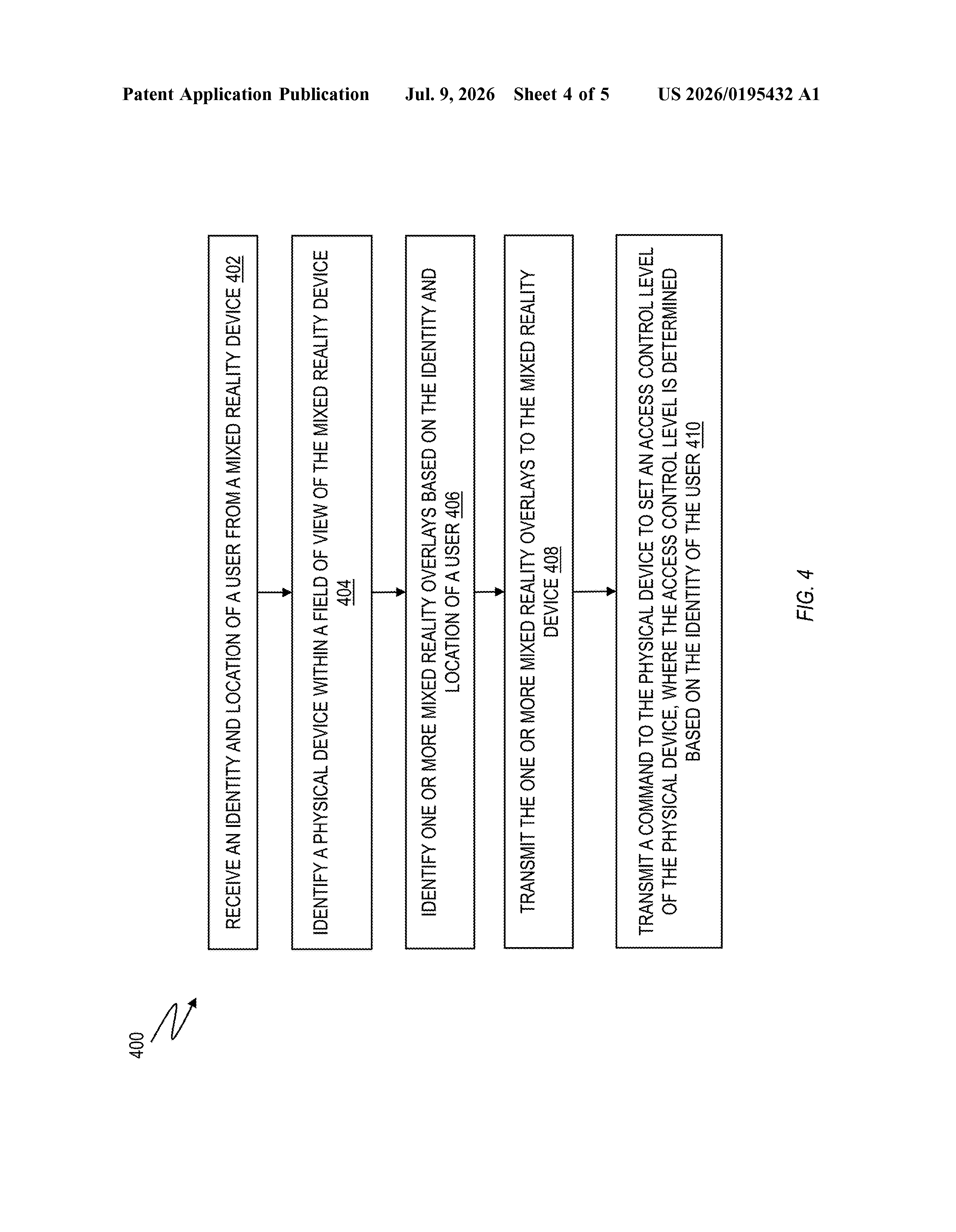
The patent describes a server-side system that receives two key inputs from a mixed reality (MR) headset: the verified identity of the wearer (established through biometric data collected by the device) and their physical location in a building.
Using that information, the system scans for physical devices inside the headset's field of view, think desktop computers, access panels, or industrial equipment. It then cross-references the user's identity against an access control policy (a set of rules defining who is allowed to do what) to determine which actions that person is permitted to take on each device.
The system does two things in response:
- It sends mixed reality overlays back to the headset, so the wearer sees visual indicators showing their permission level for each object in view.
- It sends instructions directly to the physical device, telling it to set its own access control level, for example, unlocking a terminal or enabling certain functions.
The filing covers what IBM calls privileged access management (PAM), an enterprise security concept (basically: stricter rules for high-power accounts or sensitive systems) applied in a physical space through AR hardware.
What this means for workplace security and AR headsets
Enterprise security teams spend considerable effort managing who can touch which systems, especially in data centers, hospitals, and manufacturing floors. Today that usually means physical keycards, PINs, or software-based login prompts, all of which can be shared, forgotten, or phished. A system that ties access to a biometrically verified AR headset makes it much harder to hand credentials to the wrong person, because you are the credential.
For IBM, this filing connects its long-running enterprise security business to the growing AR hardware space. The practical applications are narrower than the patent's broad claims suggest, this is primarily a workplace and industrial scenario, not a consumer one. But as AR headsets like Apple's Vision Pro and Meta's Quest line push into enterprise settings, the timing of this filing is telling.
This is a genuinely interesting idea applied to a real enterprise pain point: physical access management is still surprisingly manual in most organizations. IBM isn't describing science fiction here, the components (biometric MR headsets, network-connected door locks and terminals) already exist. The question is whether any hardware ecosystem will be mature and trusted enough to actually deploy this at scale.
Get our take in your Top Stories
Liked this breakdown? Add Patentlyze as a preferred source on Google, and our plain-English take shows up more often in your Top Stories the next time IBM patent news breaks.
There are more where this came from
We read every patent application Big Tech publishes and send you the ones worth knowing. Plain English, free, every week.
The drawings
5 drawing sheets from US 2026/0195432 A1 · click any drawing to enlarge
Want this weekly breakdown for a company we don't cover? Patentlyze Pro →