
Samsung Patents a T-Shaped Antenna Board Built Into Display Screens
Samsung is looking at a clever way to pack two antennas into a single oddly shaped circuit board hidden inside a display, a small but telling sign of where wireless-connected screens are heading.
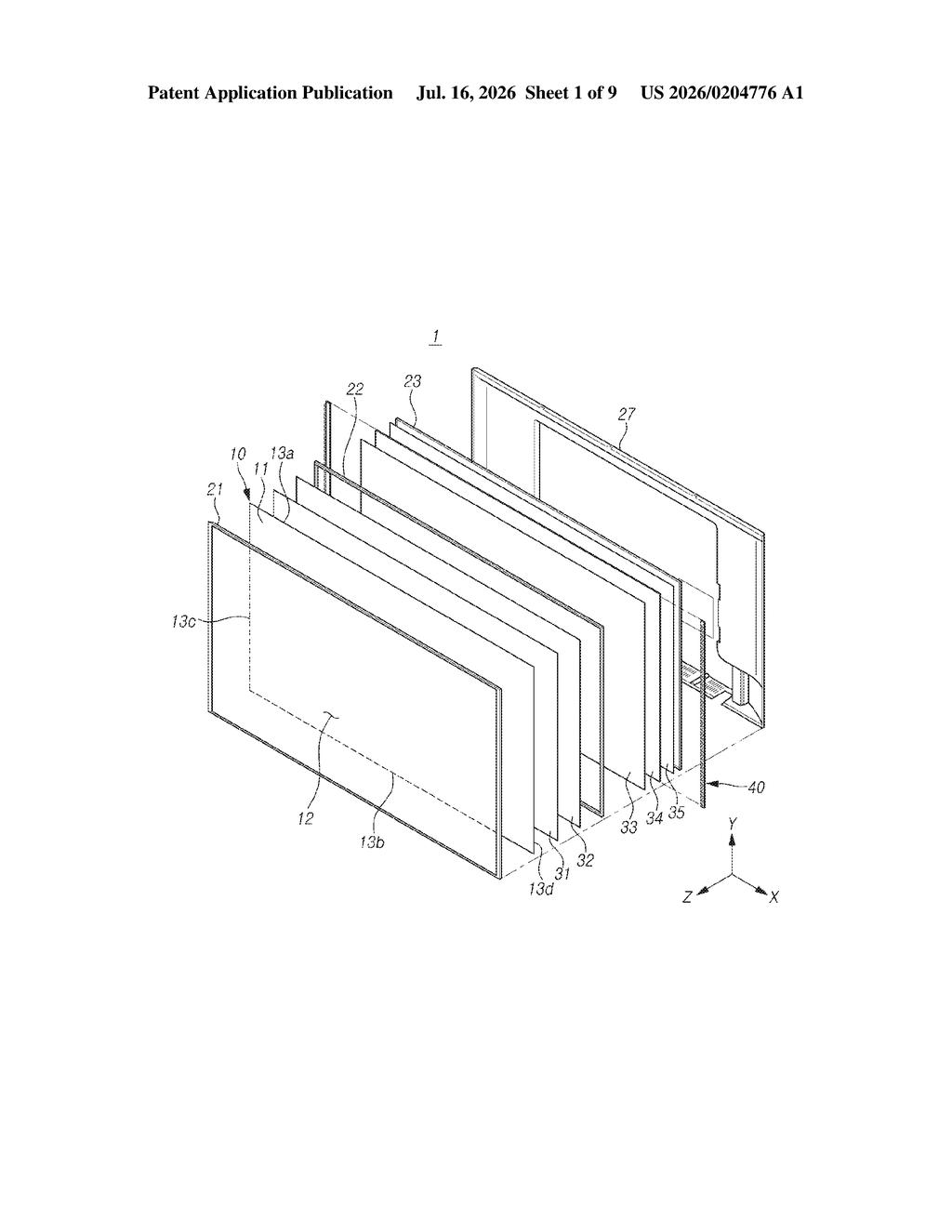
What Samsung's in-display antenna layout actually does
Imagine trying to hide two radio antennas inside a flat screen without taking up too much space or making the device thicker. That's the problem Samsung is working on here.
The patent describes a circuit board shaped like the letter T. The top bar of the T holds one antenna on each end, while the vertical stem anchors the whole thing to the rest of the screen's electronics. Both antennas sit flat on the same level, which keeps the assembly thin and avoids stacking components on top of each other.
This kind of layout is useful any time a display needs to send or receive wireless signals, whether that's a TV, a monitor, or a digital sign. Fitting two antennas neatly into one board, rather than running separate cables to two different spots, makes assembly simpler and leaves more room for other components.
How the T-shaped substrate fits two antennas in one board
The patent covers a communication assembly built around a T-shaped printed circuit board, referred to as a communication substrate. The board has three named zones:
- Main region, the vertical stem of the T, which connects the antenna board to the display panel's other electronics.
- First region, one arm of the T's horizontal bar, carrying the first antenna on its surface.
- Second region, the opposite arm of the horizontal bar, carrying the second antenna on the same flat plane as the first.
The key detail is that both antennas sit coplanar (on the same flat level) rather than being stacked or offset. That geometry matters because stacking antennas can cause interference, and routing separate antenna cables to two different spots on a device adds cost and failure points.
The T-shape itself is a space-saving trick: it lets the board spread horizontally across the edge of a display panel while using the vertical stem to route signals downward to the main logic board. Samsung doesn't specify which wireless technology the antennas serve, leaving the design flexible enough to cover Wi-Fi, Bluetooth, or other bands depending on the product.
What this means for thinner, connected Samsung displays
Display devices are getting thinner every year, and wireless connectivity is being built into more of them, smart TVs, monitors, digital signage, and even display panels inside vehicles. Any design that tucks two antennas into a single compact board, without adding thickness, helps engineers hit slimmer form-factor targets without sacrificing signal coverage.
For Samsung, which makes display panels for its own products and sells them to other manufacturers, a standardized antenna-board design like this could simplify production across a wide product line. It's not a headline feature you'll see in a spec sheet, but it's exactly the kind of behind-the-scenes engineering that determines whether a thin screen can also be a reliably connected one.
This is quiet infrastructure work, not a flashy invention. A T-shaped antenna board is a pragmatic packaging solution, and the patent's claims are narrow enough that it reads more like Samsung locking down a specific production approach than staking out broad new territory. Worth a glance if you follow display hardware or antenna integration, but no one should lose sleep over this one.
There are more where this came from
We read every patent application Big Tech publishes and send you the ones worth knowing. Plain English, free, every week.
Want this weekly breakdown for a company we don't cover? Patentlyze Pro →
Be the first to weigh in