
New Samsung Patent Fixes Screen-Glow Errors in Face-Based Health Tracking
Your TV's screen lights up your face in ways that can fool a camera trying to read your heart rate. Samsung's latest patent describes a fix built directly into the display.
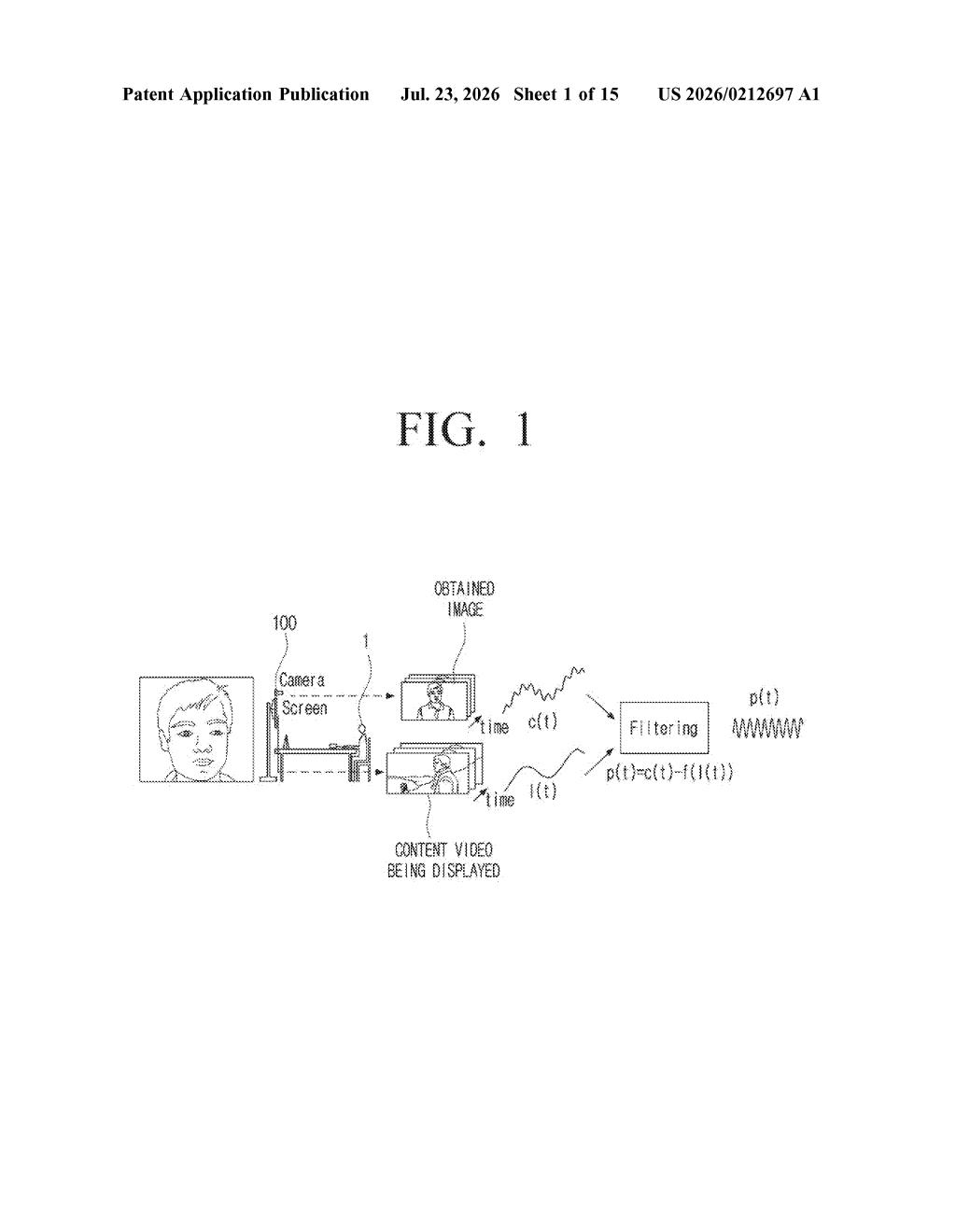
How Samsung's TV camera filters out its own light
Imagine your Samsung TV is watching for signs of stress or fatigue while you watch a show. It takes a photo of your face using a built-in camera. The problem: the screen itself is blasting colored light onto your skin, which skews the image and makes health readings unreliable. A bright red scene in a movie will tint your face red. A dark scene will make you look pale. Any health data pulled from that image could easily be wrong.
This patent describes a system that knows exactly what the screen is showing at any given moment. Before it analyzes your face, it compares the colors on your face to the colors the screen was displaying, then mathematically subtracts the screen's contribution. What you're left with is a cleaner picture of your actual skin tone and blood-flow signals.
The result is that biometric readings, things like heart rate estimated from tiny color changes in your skin, become far more accurate even in a living room with a bright, constantly-changing display in front of you.
How pixel values from the screen correct the camera image
The patent covers a display device (think a smart TV or monitor) with an embedded camera. When a preset trigger occurs, such as a user sitting down or a timer firing, the camera captures an image of whoever is in front of the screen.
Before doing anything with that image, the processor runs a comparison:
- First pixel values: the colors detected in the facial region of the camera image.
- Second pixel values: the colors the display was actively showing at that same moment.
If the processor decides the screen light is meaningfully contaminating the face image (not all lighting conditions require correction), it generates a corrected image by filtering the camera frame using the known screen colors as a reference. This is essentially subtracting the screen's color signature from the face data.
With the corrected image in hand, the system then identifies a biometric signal, a physiological measurement such as heart rate, respiratory rate, or stress indicators derived from subtle color changes in skin (a technique called remote photoplethysmography, or rPPG, which reads pulse-driven blood-flow changes without any physical contact). The correction step is what makes rPPG viable in the highly variable lighting environment a TV screen creates.
What this means for health tracking on Samsung displays
Most remote biometric sensing research assumes relatively stable, neutral lighting. A TV screen is the opposite: it changes color and brightness dozens of times per second. Without correction, a horror movie's red-tinted scene could make your heart rate reading jump for no physiological reason. Samsung's approach closes that gap by using the screen's own output data as the correction reference, which is information any smart display already has.
If this makes it into Samsung's televisions or monitors, it could enable passive health monitoring in the living room without wearables or physical sensors. That connects directly to Samsung's existing health ecosystem across phones, watches, and home devices, and puts it in competition with ambient health features other consumer electronics companies are exploring.
This is a genuinely practical engineering fix for a real problem that has held back camera-based health monitoring on large displays. It's not a moonshot; it's the kind of careful signal-processing work that turns a promising idea (contactless heart rate from a TV camera) into something that might actually work reliably. Worth watching if you follow Samsung's health and display roadmaps.
There are more where this came from
We read every patent application Big Tech publishes and send you the ones worth knowing. Plain English, free, every week.
The drawings
15 drawing sheets from US 2026/0212697 A1 · click any drawing to enlarge


Want this weekly breakdown for a company we don't cover? Patentlyze Pro →
Be the first to weigh in