
Intel Patents a Way to Stop Your PC's Own Voice From Triggering Its Wake Word
Your laptop is playing a podcast and the host says 'Hey Cortana', and suddenly your PC wakes up and tries to respond. Intel's new patent targets exactly that problem.
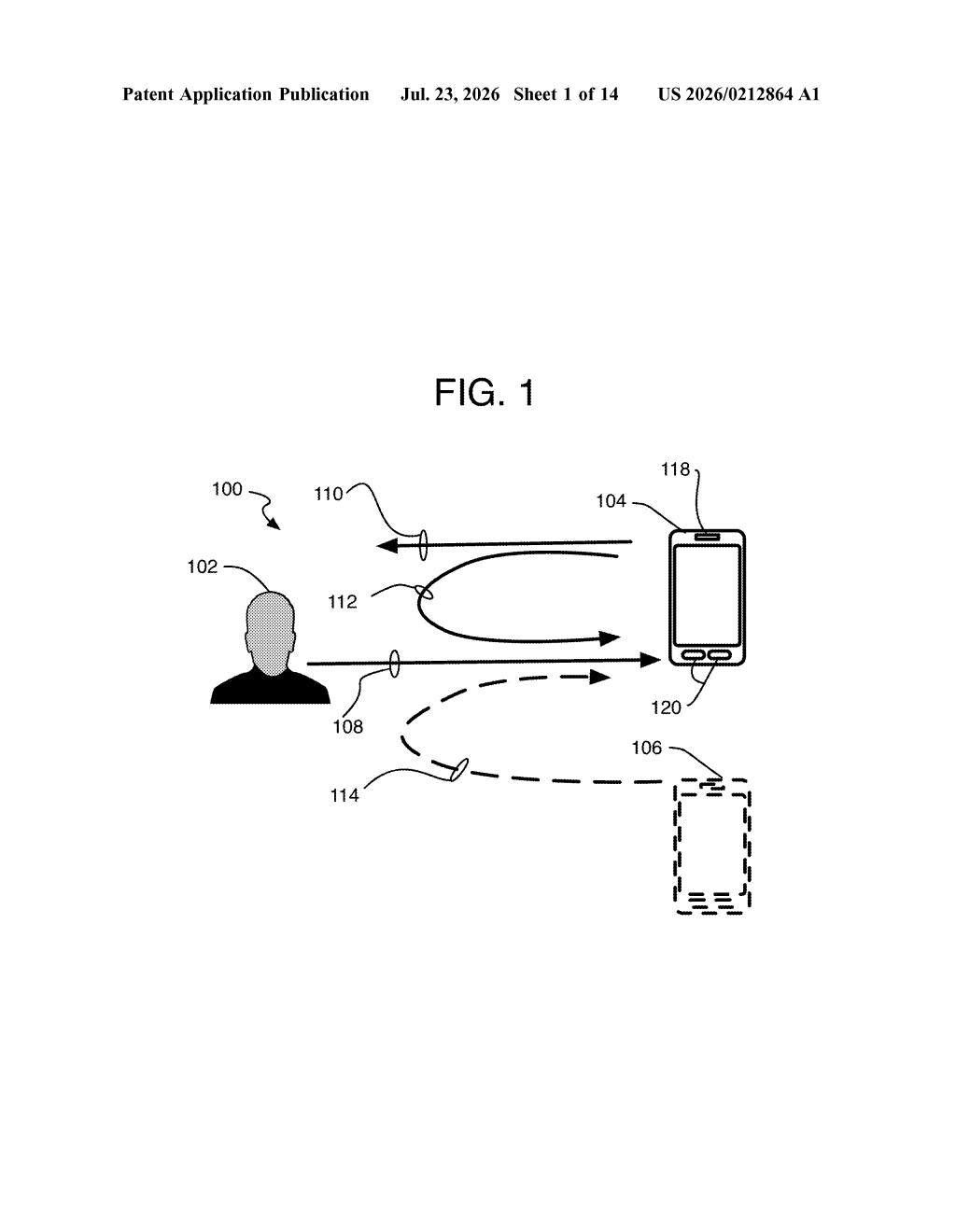
How Intel stops your PC from waking itself up
Imagine you're watching a YouTube video and the person on screen says 'Hey [assistant name].' Your laptop hears it, thinks you're talking to it, and interrupts whatever you were doing. It's one of the most annoying quirks of always-on voice assistants, and it happens more often as computers do more talking out loud.
Intel's patent describes a fix: teach the device to recognize the sound of its own voice. Before acting on a wake word, the system checks whether the audio came from a real person in the room or from the computer's own speakers. If the computer said it, the assistant stays quiet.
This matters because modern PCs read things aloud constantly, whether that's navigation directions, accessibility text-to-speech, video calls, or AI assistants narrating content. A smarter filter that knows the difference between 'you said it' and 'the machine said it' could make voice assistants noticeably less annoying to live with.
How speaker recognition filters out computer-originated audio
The system listens for wake words (keyphrases like 'Hey Cortana' or similar triggers) just as any voice assistant does, but adds an extra layer: speaker recognition that can identify whether the voice saying the wake word belongs to a human in the room or to the computer itself.
Computer-originated voice means any audio the PC produces: text-to-speech narration, video playback, podcast audio, game dialogue, or a video call coming through the speakers. When the system detects that the wake word came from one of those sources rather than from a real person talking to the device, it suppresses the triggered action entirely.
The key technical move is pairing two normally separate systems: the keyphrase detector (which spots the trigger word) and the speaker recognition engine (which identifies whose voice is speaking). The speaker recognition step acts as a gating filter, meaning an action is only carried out if the wake word passes both checks, trigger word detected AND voice identified as a human, not the machine.
All claims in the published application are listed as canceled, which means the patent as filed is still in active prosecution and the final scope of protection has not been determined.
What this means for always-on voice assistants
Voice assistants on PCs are already fighting a credibility problem: false triggers erode trust and make people turn the features off entirely. A system that filters wake words by speaker origin rather than just audio content could meaningfully reduce that frustration without requiring you to mute your speakers or disable the assistant.
For Intel, this sits neatly in its push to make PCs better at local AI processing. If your device can handle speaker recognition on-device in real time, it doesn't need to send audio to a cloud server to make this call. That's a sell for both privacy and responsiveness, and it's the kind of feature that would appear in AI PC marketing without most buyers ever knowing it's there.
This is a small but genuinely useful idea. False wake-word triggers are a real daily annoyance and the fix here is elegant: use speaker recognition that already exists in modern hardware to solve a problem that no one else has tackled cleanly. The canceled-claims status means the patent's future is uncertain, but the underlying concept is worth watching.
Get our take in your Top Stories
Liked this breakdown? Add Patentlyze as a preferred source on Google, and our plain-English take shows up more often in your Top Stories the next time Intel patent news breaks.
There are more where this came from
We read every patent application Big Tech publishes and send you the ones worth knowing. Plain English, free, every week.
The drawings
14 drawing sheets from US 2026/0212864 A1 · click any drawing to enlarge


Show the other 6 sheets


Want this weekly breakdown for a company we don't cover? Patentlyze Pro →