
Samsung Patents a Live Translator That Summarizes Speech to Keep Up With the Speaker
Live translation tools have a dirty secret: when a speaker talks fast, the captions fall behind and never really catch up. Samsung's new patent describes a system that shrinks what it can't keep up with, so the translation stays in sync even when the speaker doesn't pause.
How Samsung's catch-up translation actually works
Imagine you're watching a live presentation in a foreign language and subtitles are supposed to appear at the bottom of your screen. The speaker is moving quickly, and the translation engine starts falling behind. By the time it catches up, the speaker is already three sentences ahead, and the captions feel useless.
Samsung's patent tackles this directly. The device keeps track of how far behind the translation is at any moment. If the gap gets too large, instead of translating every word verbatim, it feeds the backlogged speech into a summarizer first, then translates the shorter version. You get the gist of what was said, on time, rather than a full transcript that arrives too late to be useful.
The system adjusts on the fly: when the translation is keeping up, it works normally. Only when it falls behind a set threshold does it switch into this catch-up mode. Think of it like a live news ticker editor who rewrites a long quote into a short headline when space runs out.
How the device measures lag and decides what to cut
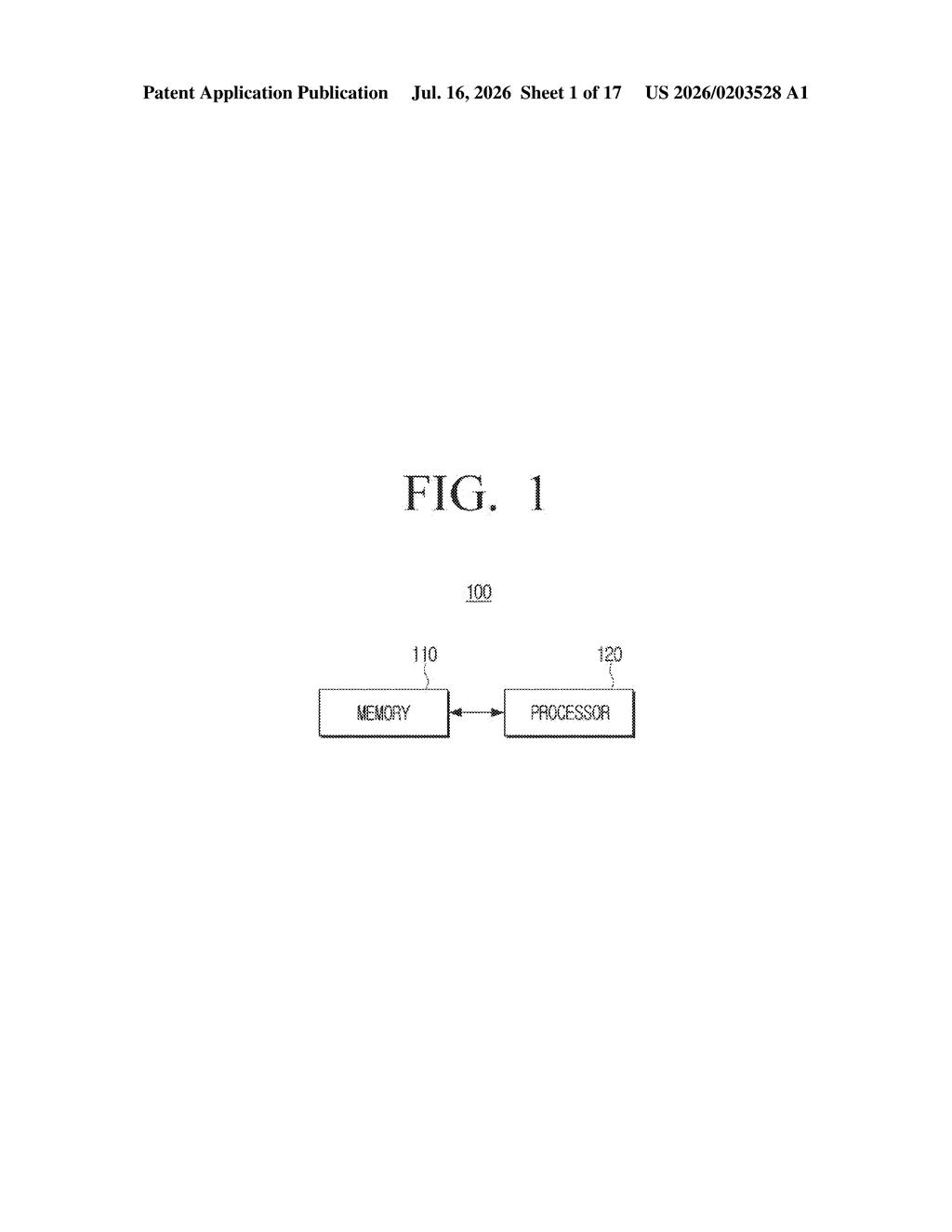
The patent describes an electronic device running two AI models in parallel: a translation model and a summary model.
Here's the sequence the device follows:
- It takes an incoming stream of speech (already converted to text) and breaks it into phrases.
- It feeds the first phrase to the translation model and watches the clock, comparing when the phrase arrived versus when the translated version came back.
- If the gap between those two timestamps exceeds a threshold, the device flags that it is falling behind.
- When delay is detected, instead of sending the next phrase directly to the translation model, it first sends that phrase to the summary model, which compresses it into a shorter version carrying the key meaning.
- That condensed text is then translated, and the output follows immediately after the previous translation.
The key engineering insight is that translating a shorter text takes less time, so summarizing before translating recovers lost time without dropping the segment entirely. The system can also decide whether to summarize the overdue phrase itself or the next incoming phrase, depending on exactly how far behind it has fallen.
What this means for real-time translation on Galaxy devices
Live translation is increasingly a core feature on flagship phones and smart glasses, and the biggest practical complaint is lag. A system that actively manages its own delay, rather than just queuing up a growing backlog, would make real-time translation genuinely usable in fast-paced settings like meetings, lectures, or live broadcasts.
For Samsung, this fits naturally into Galaxy AI features already shipping on the S-series phones and Galaxy Buds. The patent doesn't guarantee a shipping product, but it signals that Samsung's teams are working on the reliability problems that make current live translation feel clunky in practice. If this lands in a product, the difference for you as a user would be captions that stay in the moment, even when the speaker is moving fast.
This is a genuinely practical idea. Most live translation patents are about accuracy; this one is about timing, which is arguably the more frustrating problem in real-world use. The summarization-as-catch-up approach is clever and grounded enough that it seems implementable on existing hardware. Worth watching.
Get our take in your Top Stories
Liked this breakdown? Add Patentlyze as a preferred source on Google, and our plain-English take shows up more often in your Top Stories the next time Samsung patent news breaks.
There are more where this came from
We read every patent application Big Tech publishes and send you the ones worth knowing. Plain English, free, every week.
Want this weekly breakdown for a company we don't cover? Patentlyze Pro →