
Sony Patent Reveals TV Menus That Shift With Your Picture and Sound Settings
Sony is patenting a TV interface that reshapes itself depending on how you've configured your picture quality and audio settings, which could mean fewer buried menus and a display that actually matches the way you watch.
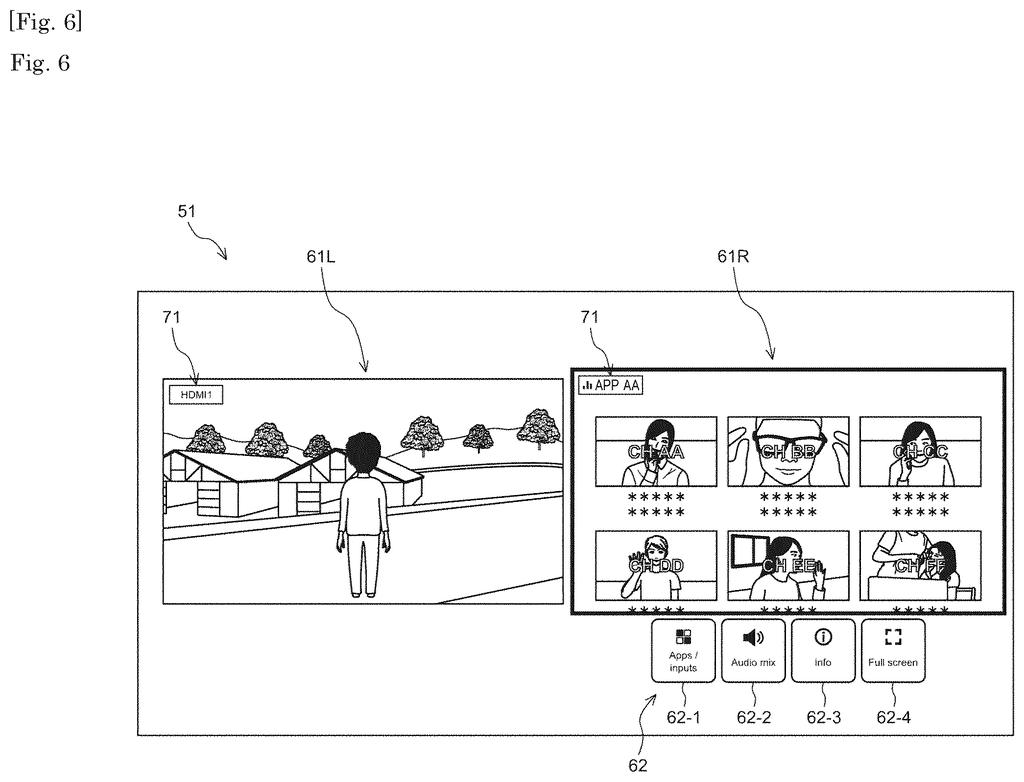
What Sony's adaptive TV interface actually does
Imagine you've turned on HDR mode, cranked up Dolby Atmos, and set your TV to Cinema mode. Right now, the on-screen menus you navigate look exactly the same as they would in standard mode. Sony thinks that's a missed opportunity.
This patent describes a system where the user interface changes automatically based on your current image and sound settings. So if you've configured a high-end audio or picture profile, the menus and controls you see on screen would reflect that, rather than showing you a one-size-fits-all layout.
In plain terms: the TV's interface would be aware of what you've set up and would adjust what it shows you accordingly. Think of it like a car dashboard that rearranges its gauges depending on whether you're in sport mode or eco mode.
How the UI reads your image and sound settings
The patent describes an information processing device with a processing unit that reads the current image and sound configuration settings for whatever content a user is watching, then uses those settings to determine what kind of UI to display.
The core idea is that image/sound settings (things like picture mode, resolution, audio format, or equalizer configuration) should influence the on-screen interface, not just the output to your screen and speakers. The UI becomes a function of those settings rather than a static shell around the content.
The claim is deliberately broad. It covers:
- Adjustments based on image settings alone (picture mode, color space, brightness)
- Adjustments based on sound settings alone (audio format, spatial audio profiles)
- Adjustments based on a combination of both
There's no detailed mechanism described beyond the processing unit reading settings and outputting a corresponding UI state. The patent appears to be a foundational claim staking territory on the general concept rather than a specific implementation.
What this means for Sony TV and PlayStation menus
Sony makes televisions, soundbars, headphones, and the PlayStation console, all of which involve picture and sound settings with complex menus. A UI that responds to those settings could, in theory, make it easier to navigate options that are relevant to how you've already configured your device, rather than presenting every option at equal weight all the time.
That said, this is an extremely broad patent with a thin technical description. It doesn't detail how the UI changes, what triggers it, or what the output looks like. Whether this ever becomes a real product feature, or simply serves as a defensive patent to block competitors from building similar adaptive interfaces, is an open question.
This is a thin patent, plain and simple. The abstract and independent claim describe an idea so broad it could cover almost any interface that reads a settings value and adjusts a display. Sony is likely filing this as a defensive move in the TV and consumer electronics space rather than as a specific invention with real engineering behind it. Don't expect a flashy new feature announcement tied to this one.
There are more where this came from
We read every patent application Big Tech publishes and send you the ones worth knowing. Plain English, free, every week.
The drawings
35 drawing sheets from US 2026/0214303 A1 · click any drawing to enlarge


Want this weekly breakdown for a company we don't cover? Patentlyze Pro →
Be the first to weigh in