
Sony's New Patent Reveals Tech That Tricks Your Inner Ear Into Feeling Motion
Sony has filed a patent for a device that stimulates the vestibular system, the part of your inner ear that tells your brain whether you're moving, standing still, or spinning. If it works, it could make virtual experiences feel physically real in a way that screen visuals alone never can.
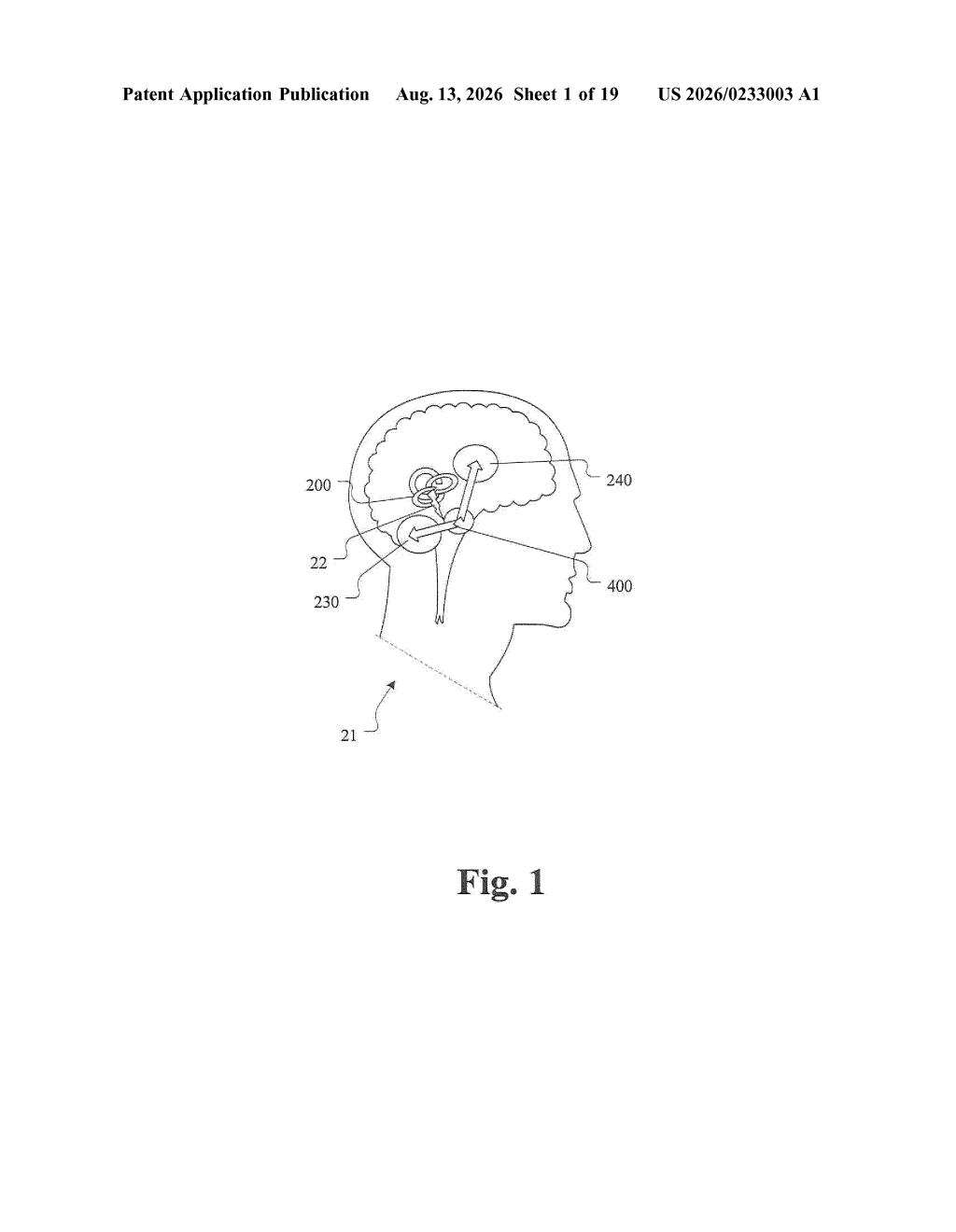
What Sony's inner-ear stimulation device actually does
Have you ever felt queasy watching a shaky first-person video even though you were sitting completely still? That disconnect happens because your eyes tell your brain you're moving, but your inner ear disagrees. Sony's patent is aimed squarely at that gap.
The filing describes an electronic device that generates vestibular stimuli, signals designed to activate the balance organ inside your ear, based on a set of scripted motion sequences. In plain terms: the device would tell your inner ear that your body is tilting, accelerating, or spinning, even when you haven't moved an inch.
The goal appears to be synchronizing what you see with what you physically feel. That kind of body-level feedback could reduce motion sickness in VR headsets, add a physical dimension to gaming, or support rehabilitation applications where patients need balance retraining.
How Sony's circuitry generates and delivers balance signals
The patent centers on a single piece of circuitry that does two things: it generates a vestibular stimulus from a set of pre-defined motion sequences stored in control information, then it performs vestibular stimulation by delivering that stimulus to the user.
The vestibular system is the set of fluid-filled canals and sensors in your inner ear that detect acceleration and orientation. It's what tells you which way is up without having to look. Stimulating it artificially, typically through electrical or mechanical means applied near the ear, can create convincing sensations of movement.
The claim is intentionally broad. The patent does not specify how the stimulus is physically delivered (electrical current, vibration, ultrasound, or another method) or what form factor the device takes. It establishes the conceptual loop:
- Control information arrives carrying motion sequences (scripted descriptions of movement)
- Circuitry translates those sequences into a vestibular stimulus
- The device applies that stimulus to produce a felt sensation of motion
This architecture suggests the device could be driven by external content, such as a VR scene or a game, where the motion sequences would map to what the user is watching, keeping eyes and inner ear in agreement.
What inner-ear control could mean for VR and gaming
For anyone who has ever had to pull off a VR headset because the virtual rollercoaster made them feel sick, the appeal is obvious. Motion sickness in virtual reality is primarily caused by a conflict between what your eyes see and what your vestibular system reports. A device that feeds matching signals to both channels at once attacks that problem at its source rather than papering over it with software tricks.
Sony already makes PlayStation VR hardware and has a long history of research into sensory technology, so this is not a random direction for the company. That said, artificially stimulating the vestibular system in a safe, precise, and comfortable way remains genuinely hard engineering, and the patent's extreme brevity suggests this is a very early conceptual claim rather than a finished design. Among the interesting tech patents in the VR and immersive-media space, this one sits at the foundational end of the spectrum, staking out territory before the hardware details are solved.
The ship path here is long. Vestibular stimulation technology exists in medical and research settings, but delivering it safely, accurately, and comfortably in a consumer device is an open engineering problem. The patent doesn't describe a delivery mechanism, a sensor array to calibrate against the user's actual movement, or any safety architecture; what Sony has claimed is the concept loop, with the product still entirely hypothetical. It reads as a territorial claim filed well ahead of the engineering.
There are more where this came from
We read every patent application Big Tech publishes and send you the ones worth knowing. Plain English, free, every week.
The drawings
19 drawing sheets from US 2026/0233003 A1 · click any drawing to enlarge


Want this weekly breakdown for a company we don't cover? Patentlyze Pro →
Be the first to weigh in