
New Google Patent Turns Phone Sensors Into Personal Health Predictors
Your phone already knows when you're walking, sleeping, and sitting still. Google is now patenting a way to turn all that data into personalized health predictions, without a doctor's office in sight.
What Google's phone-sensor health system actually does
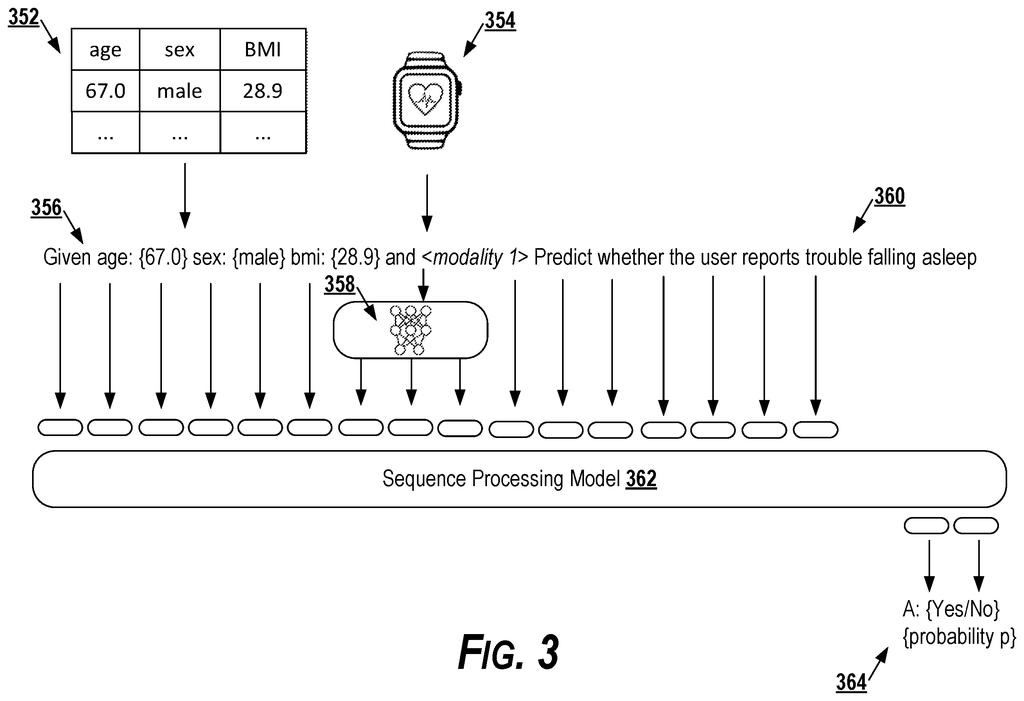
Imagine your phone tracking how you move, sleep, and go about your day, then combining all of that into a health picture tailored specifically to you. That's the core idea here. Google is patenting a system that takes raw sensor data from your phone (things like accelerometer readings, GPS patterns, or heart rate from a wearable) and feeds it through an AI model to generate health-related predictions.
The key word is multi-modal, meaning the system isn't just looking at one thing. It pulls from multiple types of data at once, the way a doctor might consider your blood pressure, sleep quality, and activity level together rather than one at a time.
The output isn't a diagnosis. The patent describes generating "predictions" and "responses" to health queries, which could mean anything from flagging an unusual trend to answering a question like "Am I getting enough rest?" based on your actual data rather than a generic average.
How the AI processes your sensor data into health predictions
The patent describes a multi-modal health data analysis system that works in three broad steps:
- Data collection: The system gathers "mobile health data" from a user's device. This includes raw sensor readings (accelerometer, gyroscope, camera-based signals) or data derived from those sensors, like step counts or sleep stage estimates.
- Sequence processing: That data is fed into a sequence processing model (a type of AI that understands data points in order over time, similar to how a language model reads words in a sentence). The model outputs a health-related prediction for the individual.
- Response generation: The prediction is conditioned on the individual's own data, meaning the output is personalized rather than population-level.
The phrase "multi-modal" is doing a lot of work here. It means the system can combine different types of health signals simultaneously, pairing movement data with sleep patterns, for example, rather than analyzing each in isolation. The claim also specifies that data can be "derived from" sensor readings, leaving room for preprocessed or inferred signals.
The patent is broad. It doesn't specify a particular disease, condition, or output format, which is typical of foundational AI patents that want to cover a wide range of future applications.
What this means for Google Health and Fitbit's future
Google already has significant infrastructure here: Fitbit, Wear OS, and the Google Health platform all collect exactly the kind of sensor data this patent describes. A system that unifies those streams through a personalized AI model would be a meaningful step toward making wearable health data actually useful, rather than just a collection of stats that sit in an app.
For you as a user, the practical implication is a phone or watch that doesn't just log your steps but interprets them in context. The broader question is what happens to that data and who controls it. Health data is among the most sensitive information a device can collect, and a system this broad will attract regulatory attention, particularly in the EU under GDPR and in the US as the FTC continues to scrutinize health data practices.
This is a foundational AI-health patent from a company that already controls the hardware, the platform, and the data pipeline needed to build it. The breadth of the claim is intentional and typical of big-tech AI filings, but the 15-inventor list and specific focus on mobile sensor sequences suggest real engineering work behind it, not just a placeholder filing. Whether this ships as a Fitbit feature or stays buried in Google's patent portfolio depends entirely on regulatory appetite, not technical capability.
There are more where this came from
We read every patent application Big Tech publishes and send you the ones worth knowing. Plain English, free, every week.
The drawings
15 drawing sheets from US 2026/0213015 A1 · click any drawing to enlarge


Want this weekly breakdown for a company we don't cover? Patentlyze Pro →
Be the first to weigh in