
Google Patent Enables On-Device AI Learning Without Storing Real User Data
Google is patenting a way to personalize an AI model on your phone without keeping a copy of your actual data, instead, the system generates a compact, synthetic stand-in that captures the same statistical shape as your real behavior.
How Google's on-device AI learns from you privately
Imagine your phone's AI assistant starts learning your habits: the words you type, the questions you ask, the shortcuts you use. Normally, teaching an AI from that kind of personal data requires storing lots of examples, either on the device or somewhere in the cloud. Google's patent describes a way around that.
Instead of keeping your real examples, the system first studies the pattern of your data and then generates a small, synthetic dataset that mimics the same statistical shape. Think of it like a chef tasting a dish, writing down the flavor profile, and then recreating something equally useful in the kitchen without keeping the original meal.
The AI on your device then trains itself using that synthetic stand-in rather than your raw personal information. The result is a model that adapts to you, while your actual data gets discarded after the pattern is captured. Less storage, fewer privacy risks, and a phone that still learns to feel like yours.
Inside Google's training-set distillation process
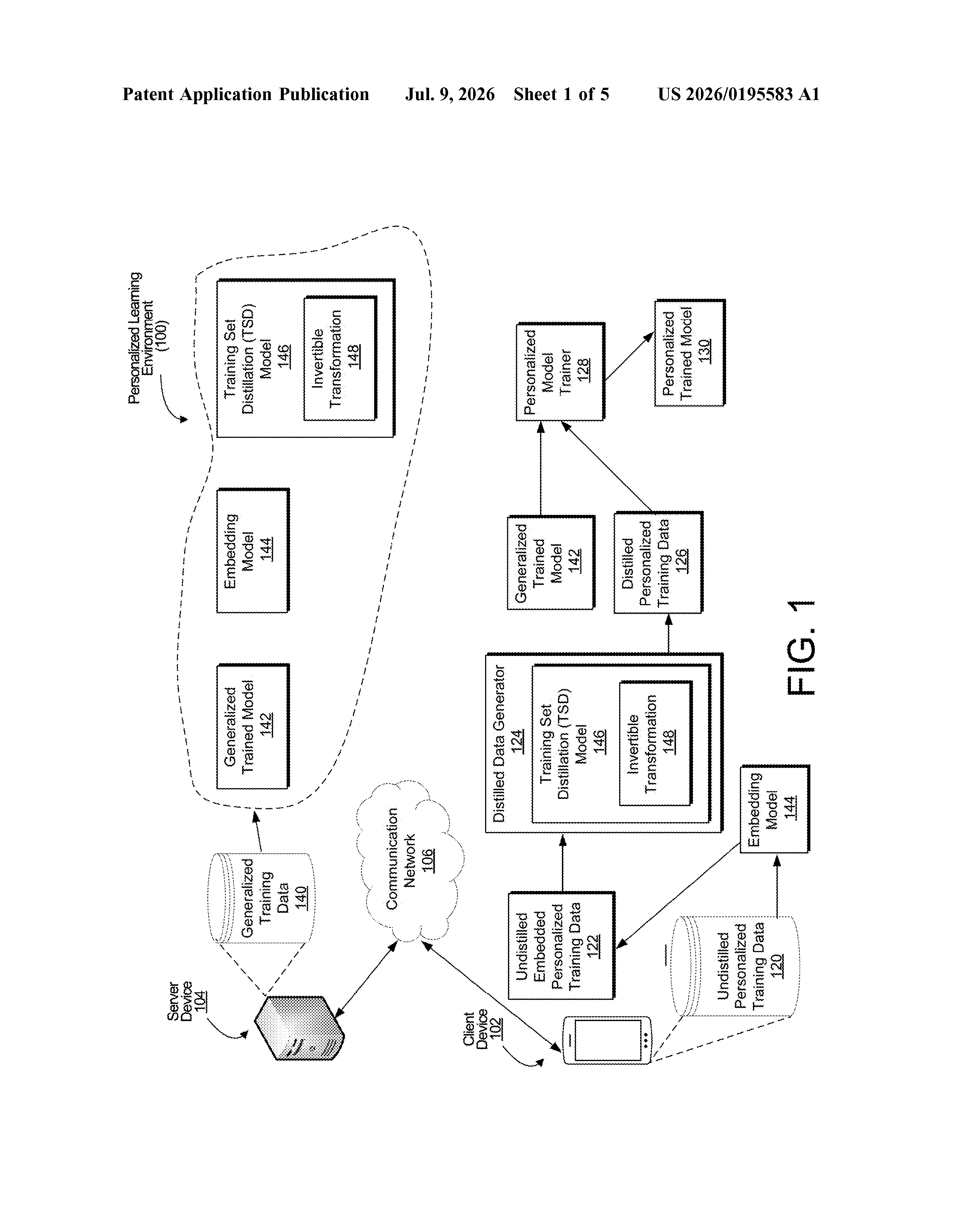
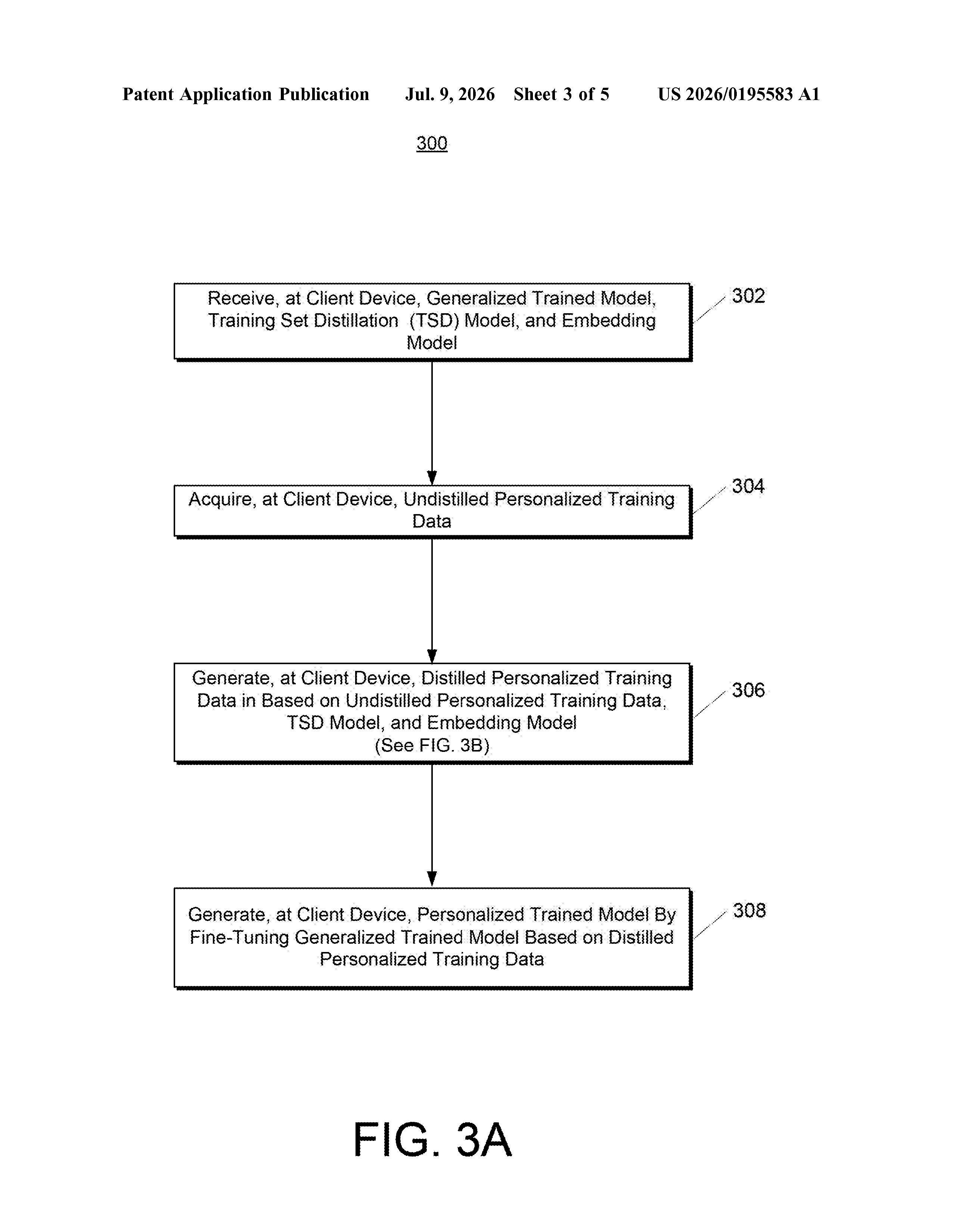
The patent describes a system called a Training Set Distillation (TSD) model. It runs entirely on your device and works in a sequence of steps.
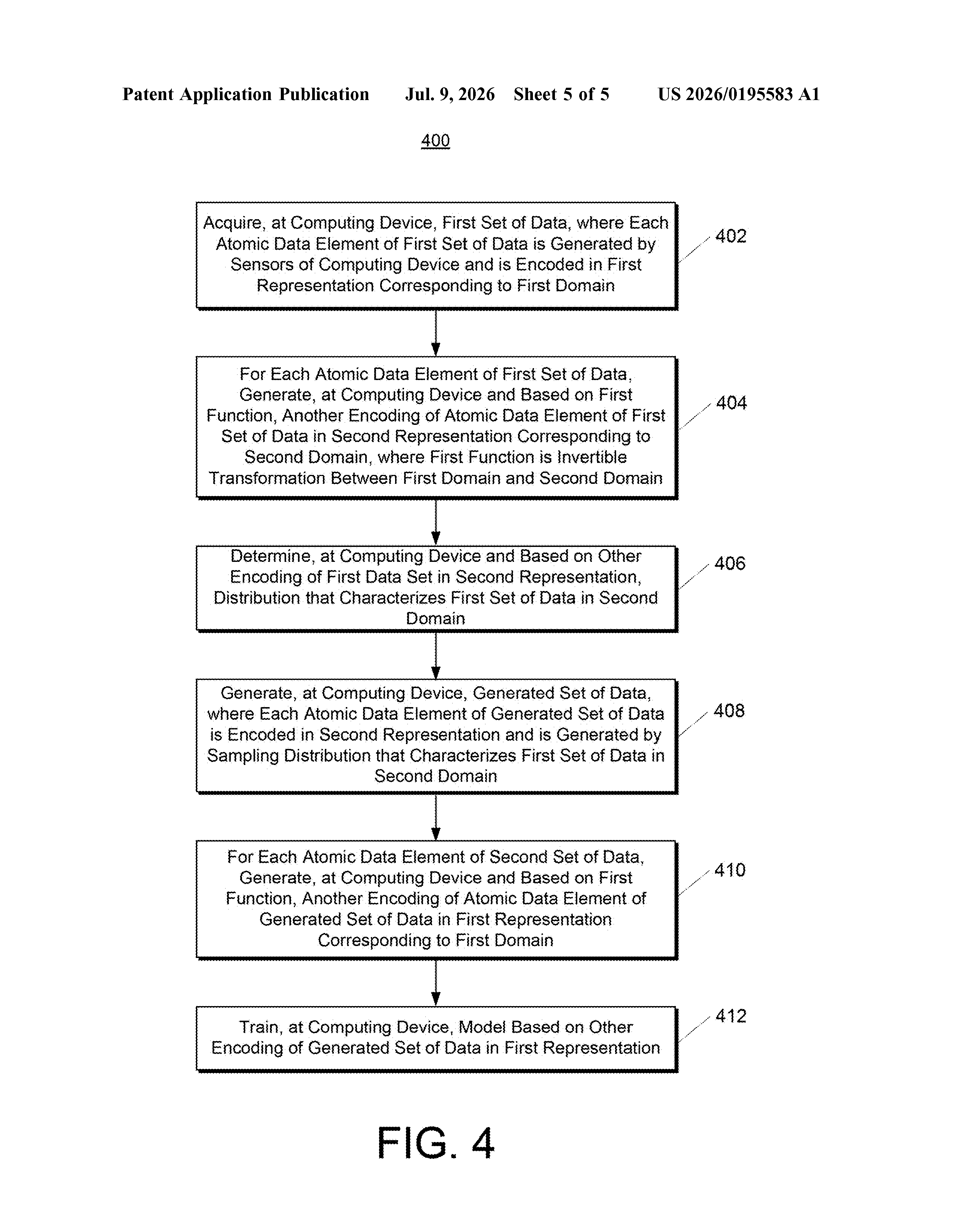
- Your device collects a batch of personal data from its sensors or apps, like typing patterns, voice inputs, or usage behavior.
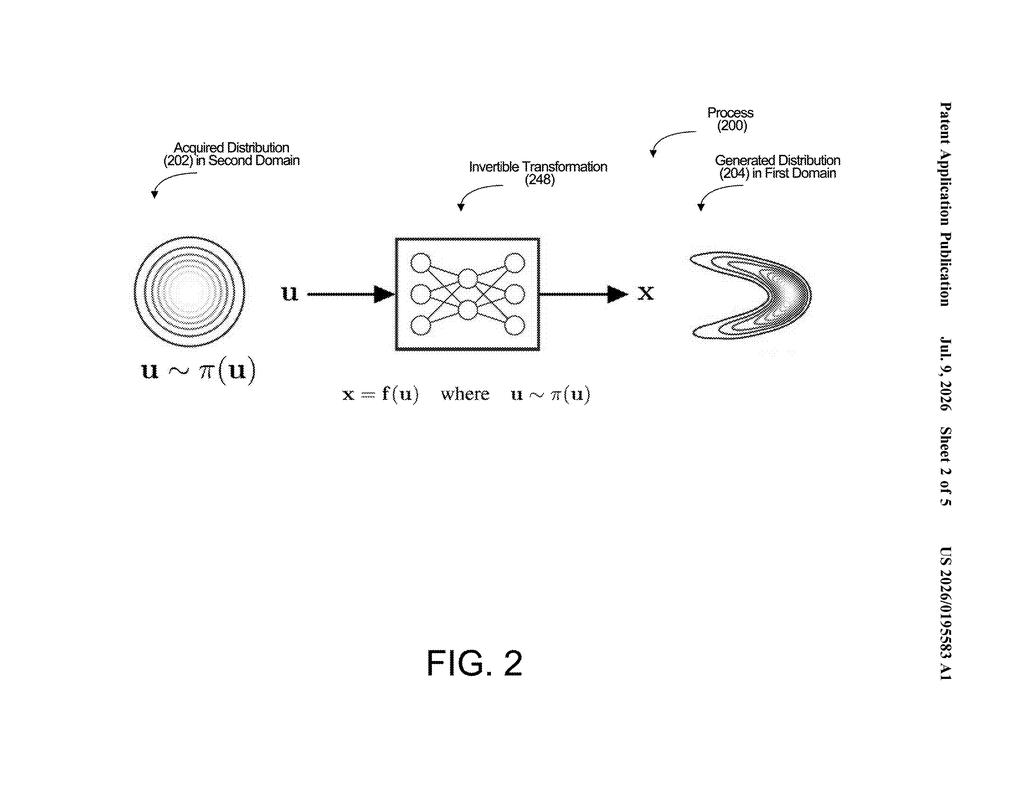
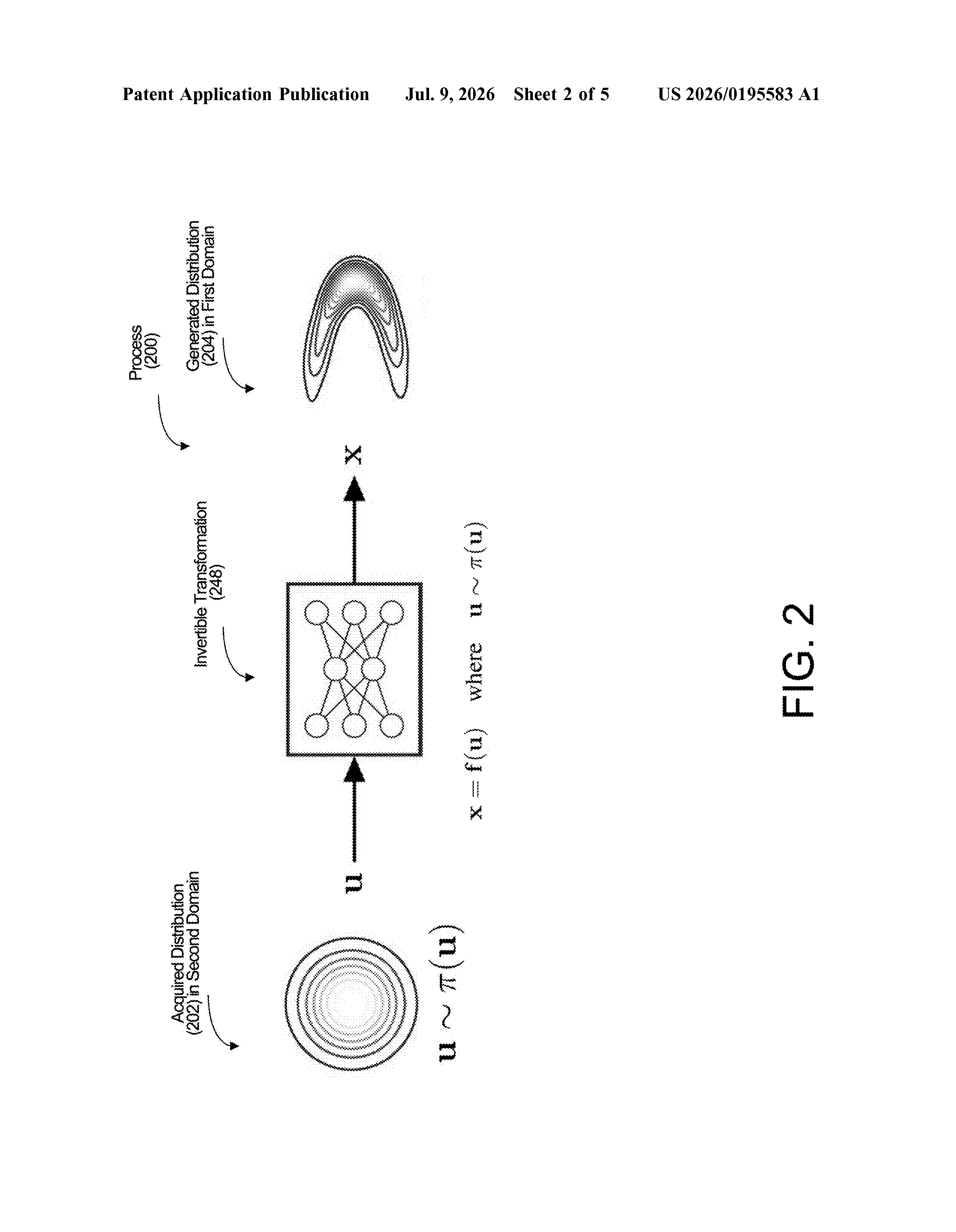
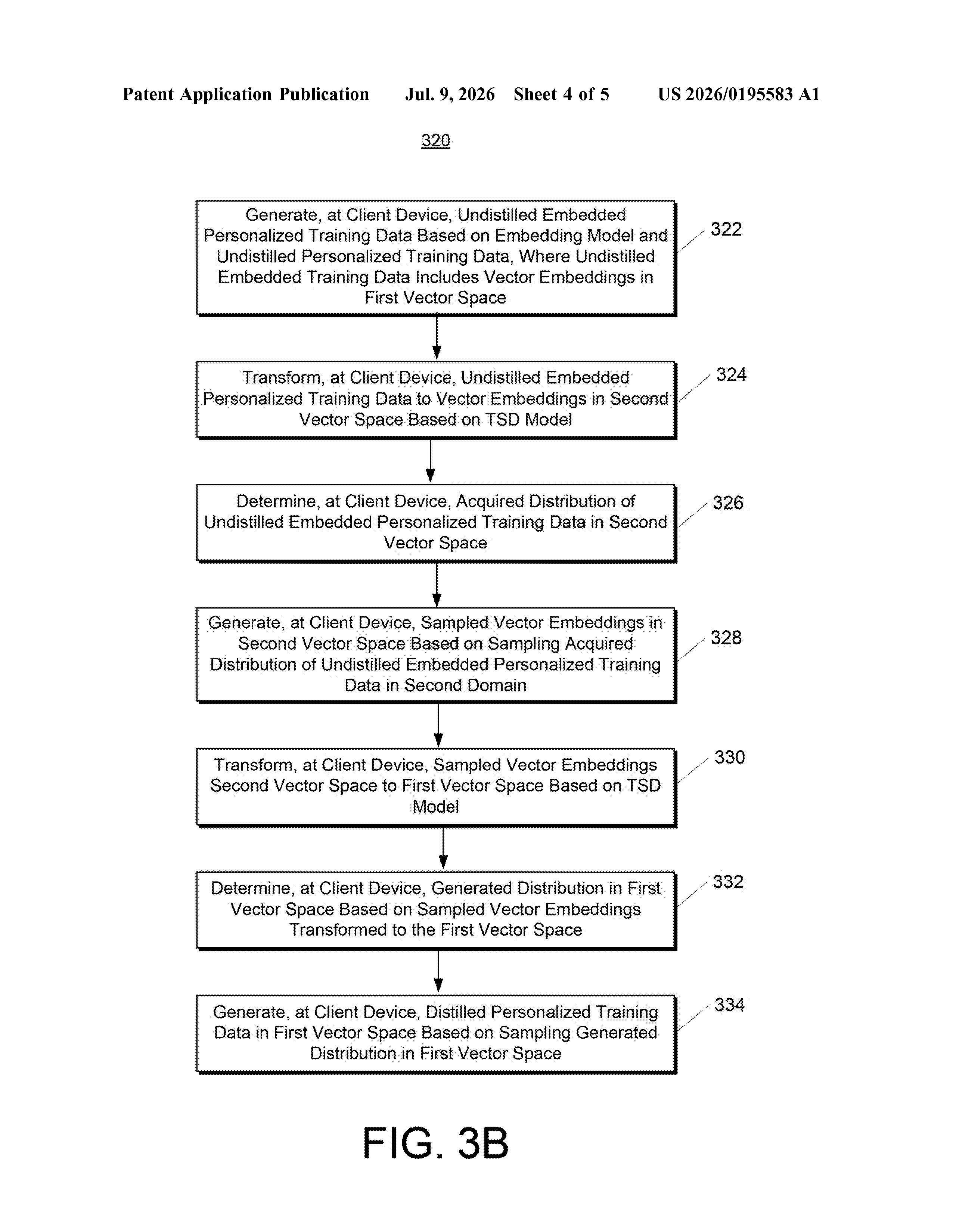
- Each piece of data is converted into a different mathematical representation using an invertible transformation (a function that translates data into another form and can be reversed exactly, similar to how a zip file compresses and decompresses without losing anything).
- The system then maps out an acquired distribution in that transformed space, essentially a statistical fingerprint of what your data looks like as a whole rather than item by item.
- A generative model samples from that fingerprint to produce a small, synthetic dataset that statistically resembles your real data but contains none of it verbatim.
- That synthetic dataset is used as a regularizer (a guardrail that stops the model from over-adapting) while fine-tuning the main AI model locally on your device.
The core insight is that you only need the shape of your data, not the data itself, to teach a model about your preferences. The real examples are never stored long-term or sent anywhere.
What this means for private, personalized AI on phones
Personalized AI is only useful if people trust it. The main barrier to on-device learning today is the cost of storing personal examples long enough to train from them, and the privacy concern that comes with that. Google's approach sidesteps both problems by converting real data into a synthetic proxy before any training begins. You get a model that adapts to your habits without a growing archive of your behavior sitting on your phone.
This also matters for how AI assistants stay useful over time. A model that can safely retrain itself locally, using generated examples rather than raw logs, could update to your current habits without a software update from Google. Your experience improves automatically, and Google never needs to see what drove that improvement.
This is a genuinely interesting privacy-forward approach to a real problem: how do you make on-device AI personal without making it a liability? The synthetic-data trick is not entirely new in research, but packaging it as a practical on-device pipeline is the kind of applied engineering that eventually ships in Pixel features. Worth watching as a signal of where Google's on-device AI strategy is heading.
Get our take in your Top Stories
Liked this breakdown? Add Patentlyze as a preferred source on Google, and our plain-English take shows up more often in your Top Stories the next time Google patent news breaks.
There are more where this came from
We read every patent application Big Tech publishes and send you the ones worth knowing. Plain English, free, every week.
The drawings
5 drawing sheets from US 2026/0195583 A1 · click any drawing to enlarge
Want this weekly breakdown for a company we don't cover? Patentlyze Pro →