
Sony Files Patent for Display Screens With Built-In Temperature Sensors Per Block
Instead of treating a screen as one big panel with one temperature reading, Sony wants to monitor the heat in each individual section and adjust the picture accordingly.
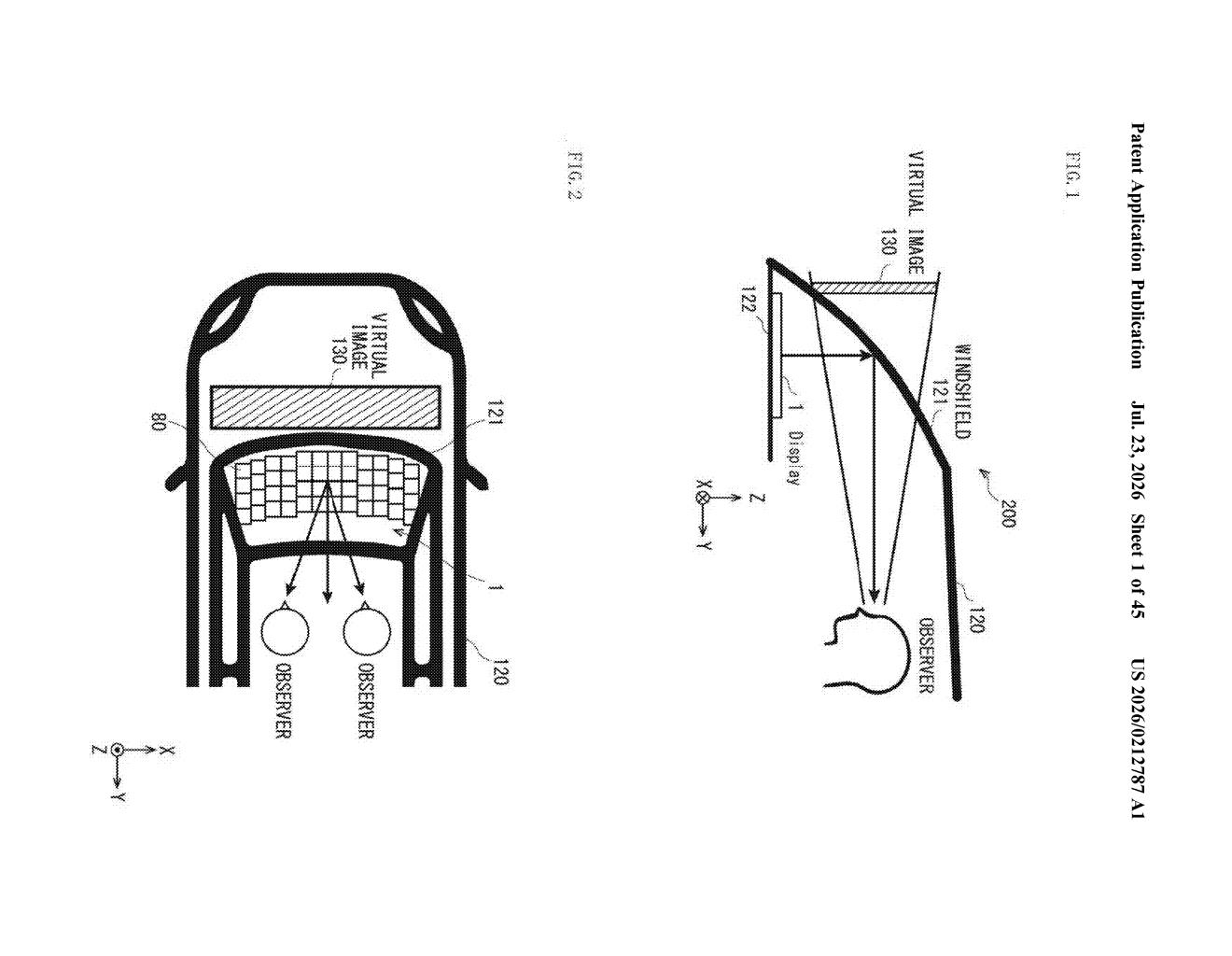
What Sony's per-block screen temperature system actually does
Imagine leaving a TV on for hours in a warm room. One corner of the screen, maybe near a vent or a speaker, gets hotter than the rest. Right now, most displays either ignore that uneven heat or respond to a single average temperature reading, which means the image can look inconsistent or the screen can wear unevenly over time.
Sony's patent describes a display divided into blocks, where each block has its own temperature sensor. When one section heats up more than another, the display's control system adjusts the light-emitting elements in that specific section, not the whole screen.
The practical idea is that your screen stays accurate and consistent even when heat is spread unevenly across it. That matters most for large panels, video walls, or displays that run for long stretches, like in a store, a stadium, or a living room TV that never really gets turned off.
How each display block reads and reacts to its local temperature
The patent describes a display built from multiple display blocks, each containing its own group of light-emitting elements (think individual LEDs or OLED sub-pixels). The key addition is that each block also gets its own temperature sensor.
That sensor generates what the patent calls a "first signal" tied to the local ambient temperature. A central control unit reads those signals from every block and uses them to independently adjust the brightness or drive current going to each block's light-emitting elements.
- Multiple display blocks: the screen is divided into zones, not treated as one unit
- Per-block temperature sensors: each zone has its own thermometer feeding real-time data
- Central control unit: processes all the temperature readings and fine-tunes each zone independently
The logic is straightforward: heat changes how LEDs and OLEDs behave. A warmer LED can appear brighter or shift color. By measuring temperature locally rather than globally, the system can compensate more precisely, keeping the image uniform across the whole screen.
What this means for large screens and display longevity
For consumer TVs and monitors, this kind of per-zone temperature compensation could mean colors and brightness stay truer over long viewing sessions, especially on large screens where heat rarely distributes evenly. If Sony applies this to its professional display lines or its OLED TV range, buyers could see less image drift during extended use.
For commercial installations, the stakes are higher. A video wall in a retail space or a scoreboard in an arena runs for many hours straight, and uneven aging caused by heat is a real cost. Zone-level thermal control could extend the useful life of expensive panels and reduce maintenance cycles. Whether this ends up in a flagship consumer product or a professional display line, it's a practical engineering idea aimed at a real problem.
This is a solid, unglamorous engineering patent. It solves a genuine problem in display hardware without any AI or software novelty attached to it. Sony's display business is serious, especially in professional and cinema-grade products, so this kind of incremental thermal management work is the type of thing that actually ends up shipping. Don't expect a press release about it.
Get our take in your Top Stories
Liked this breakdown? Add Patentlyze as a preferred source on Google, and our plain-English take shows up more often in your Top Stories the next time Sony patent news breaks.
There are more where this came from
We read every patent application Big Tech publishes and send you the ones worth knowing. Plain English, free, every week.
The drawings
45 drawing sheets from US 2026/0212787 A1 · click any drawing to enlarge


Show the other 37 sheets


Want this weekly breakdown for a company we don't cover? Patentlyze Pro →