
Samsung Files Patent for Triple-Layer Coating Designed to Eliminate Screen Glare
Screen glare is one of those annoyances that never fully goes away, even on expensive displays. Samsung's latest patent describes a precisely stacked anti-reflection coating that uses three different materials to knock down unwanted reflections at the glass level.
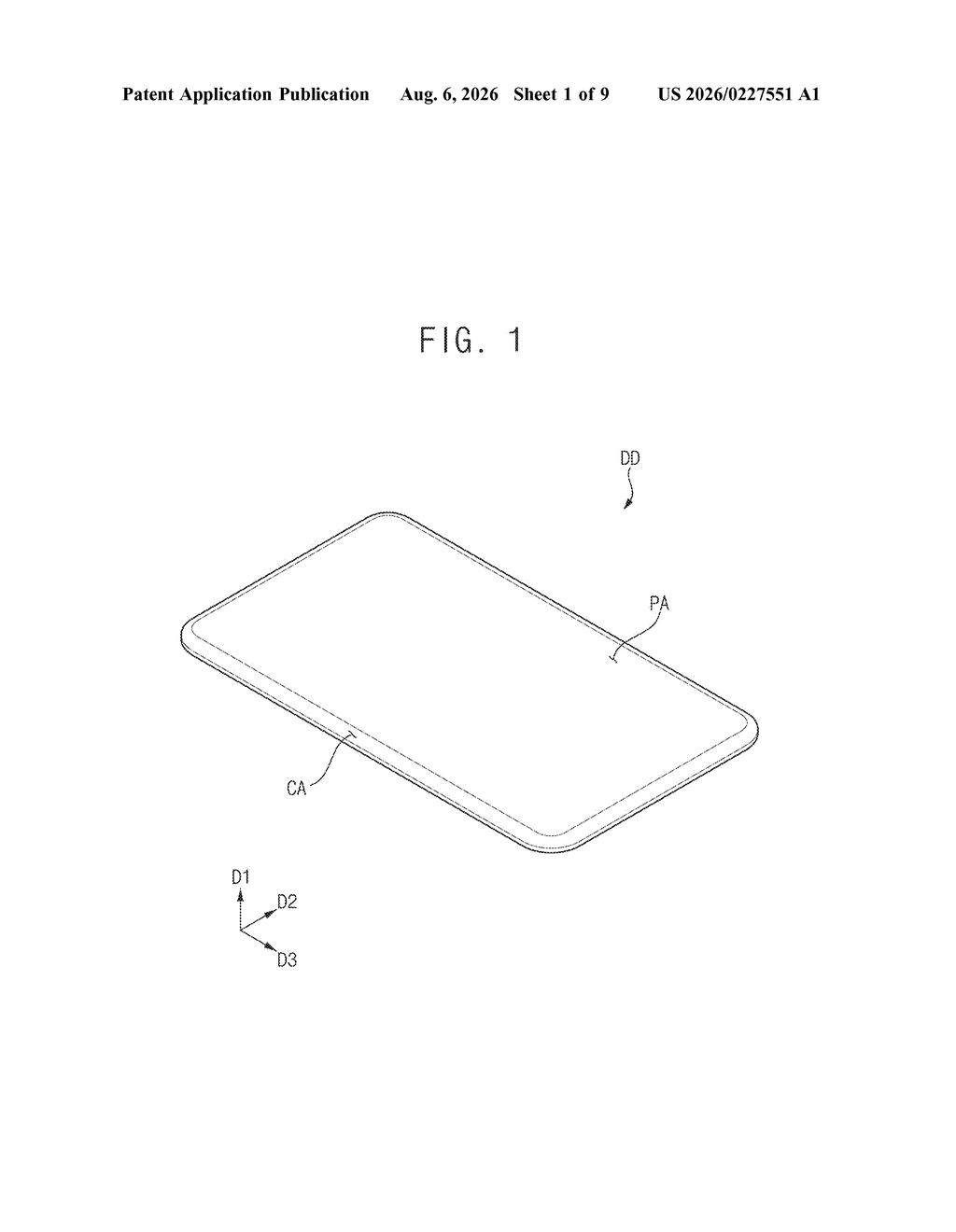
What Samsung's anti-glare window coating actually does
Imagine trying to read your phone screen in bright sunlight and seeing mostly your own face staring back at you. That reflection comes from light bouncing off the glass covering the screen, and it's a problem every display maker tries to solve.
Samsung's patent describes a thin coating built from three different layers of inorganic (mineral-based) materials stacked in a specific order. Each layer bends light differently, and together they're designed to cancel out the reflections before they reach your eyes. Think of it like noise-canceling headphones, but for light instead of sound.
The coating sits on top of the base glass of the display window, meaning it would be built into the screen itself rather than applied as an afterthought. Samsung appears to be targeting this for use in phones, tablets, or other display devices where outdoor readability matters.
… a plurality of second refractive layers located between the first refractive layers, comprising a second inorganic material, and having a second refractive index greater than the first refractive index …
Translation: These middle layers use a denser material to bend light differently than the base layers.
How the three refractive layers cancel incoming light
The patent describes a window module (the protective glass layer on a screen) fitted with an anti-reflection layer made up of three distinct types of sub-layers, all composed of inorganic materials.
- First refractive layers: the lowest refractive index (meaning they bend light the least), acting as the base material in the stack.
- Second refractive layers: the highest refractive index, bending light the most, sandwiched between the first layers.
- Third refractive layers: a middle refractive index, sitting between the first and second layers as a transitional material.
Refractive index (a measure of how much a material slows and bends light) is the key variable here. By stacking materials with carefully graduated refractive indices, the coating creates a gradual optical transition rather than a hard boundary where light would otherwise bounce back. That gradual transition is what suppresses reflection.
All three layer types use inorganic materials rather than organic (carbon-based) ones, which typically means better durability and resistance to UV degradation over time.
… having a third refractive index greater than the first refractive index and less than the second refractive index …
Translation: The third layer sits right in the middle in terms of optical density.
What this means for phone and tablet screen quality
Anti-reflection coatings are already common on camera lenses and eyeglasses, but applying them reliably to large display panels at manufacturing scale is genuinely difficult. A three-material inorganic stack is more complex to deposit than a single coating, but it offers more precise control over which wavelengths of light get suppressed, which can mean better color accuracy alongside reduced glare.
For you as a user, the payoff would be screens that stay readable in outdoor light without needing to crank brightness (which drains the battery faster). For Samsung, better anti-reflection performance is a competitive differentiator in premium phones and tablets, where display quality is a major selling point.
This is solid display engineering work, not a headline-grabbing concept. Anti-reflection coating design is a mature field, but squeezing better performance out of inorganic stacks at panel scale is legitimately hard manufacturing chemistry. Whether Samsung's specific three-layer arrangement is novel enough to survive patent scrutiny is a separate question, but the underlying engineering goal is real and commercially valuable.
There are more where this came from
We read every patent application Big Tech publishes and send you the ones worth knowing. Plain English, free, every week.
The drawings
9 drawing sheets from US 2026/0227551 A1 · click any drawing to enlarge


Want this weekly breakdown for a company we don't cover? Patentlyze Pro →
Be the first to weigh in