
Qualcomm Patents a Screen-Timing System That Cuts How Much Power Your Phone Uses
Keeping a phone screen perfectly timed is a surprisingly power-hungry job. Qualcomm's new patent describes a way to hand that timing job off to a lower-power circuit whenever the main data bus goes quiet.
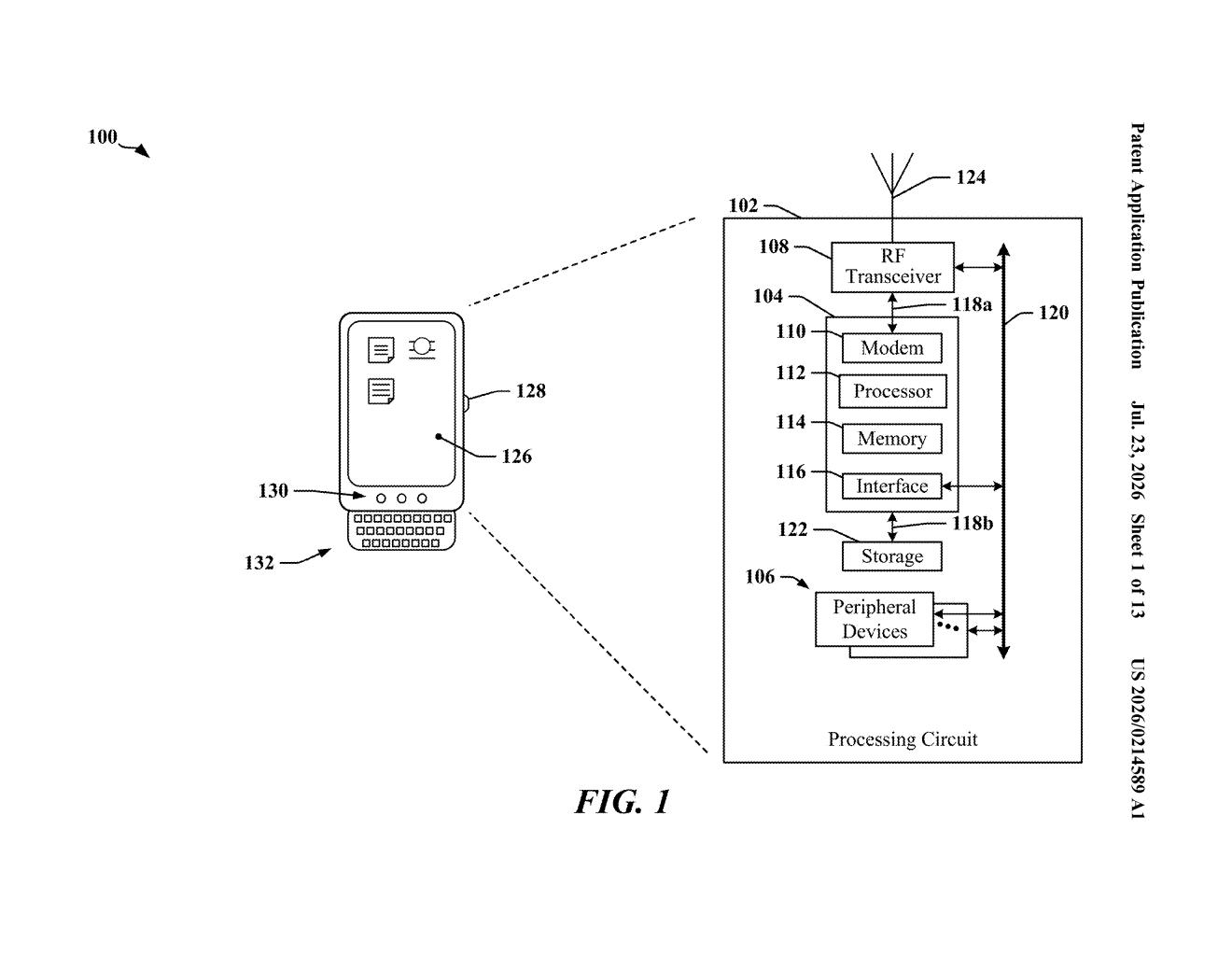
How Qualcomm keeps your screen in sync while saving battery
Imagine your phone's screen like a very organized grid of tiny lights. To look right, every row of that grid has to light up in perfect sequence, like a conductor keeping an orchestra in time. That timing signal has to come from somewhere, and normally it comes from the main chip pushing all the display data, which uses a fair amount of power.
Qualcomm's patent describes a system with two separate communication lines running between the phone's processor and its screen. When the main, high-speed line is active and sending video data, it also provides that timing signal. But when the phone dips into a low-power mode and the main line goes quiet, a second, always-on line takes over the timing job automatically.
The switch between the two sources is handled by a small selector circuit that chooses the right signal for the moment. The screen keeps refreshing smoothly without the main chip having to wake up just to keep the timing alive.
How the selector circuit picks between two sync sources
The patent describes a mobile device architecture with two separate serial bus connections between the application processor and the display panel. The first is a high-speed bus (think MIPI DSI, the standard interface for smartphone screens) that carries large packets of video data at high data rates. The second is a lower-power bus (similar to MIPI I3C or a sideband channel) that stays active even when the main bus is in a low-power idle state.
The key component is a selector circuit that sits between both buses and the display panel. It monitors which mode the high-speed bus is operating in, then picks the correct line synchronization signal (the horizontal timing pulse that tells the display when to start drawing each new row of pixels) accordingly:
- In high-speed mode, the display driver generates its own sync signal derived from the high-speed data stream.
- In low-power mode, the selector switches to the clock signal running on the always-on secondary bus instead, reusing it as a timing source.
Because the secondary bus is powered by a separate, lower-voltage power supply, the display can keep refreshing without forcing the power-hungry primary interface to wake up just to provide a timing reference.
What this means for always-on phone displays
Always-on displays, lock-screen widgets, and health-monitoring panels all need to refresh regularly even when a phone is sitting idle. Today, keeping that refresh perfectly timed often requires waking up circuits that would otherwise be asleep, burning battery in the process. Qualcomm's approach could let display panels stay in sync through a secondary clock that costs far less power, potentially extending screen-on time without sacrificing how smooth or accurate the display looks to you.
This is the kind of low-level power optimization that rarely makes a spec sheet but shows up directly in daily battery life. For Qualcomm, whose Snapdragon chips power a large share of Android flagships, shaving milliwatts from display management across millions of devices adds up to a meaningful competitive advantage in battery benchmarks.
This is unglamorous plumbing work, but display power management is one of the last big levers left for improving smartphone battery life. If Qualcomm can keep always-on screens ticking without waking the main display interface, that's a real and measurable win for users. It's worth tracking as Snapdragon display subsystems evolve.
There are more where this came from
We read every patent application Big Tech publishes and send you the ones worth knowing. Plain English, free, every week.
The drawings
13 drawing sheets from US 2026/0214589 A1 · click any drawing to enlarge


Want this weekly breakdown for a company we don't cover? Patentlyze Pro →
Be the first to weigh in