
Qualcomm Patents a Display System That Corrects Pixels on the Fly
Qualcomm has filed a patent for a display processor that decides in real time whether to apply a pixel-correction filter, skipping it entirely when the screen conditions don't call for it. It's a small efficiency idea, but one that touches every frame your phone or headset renders.
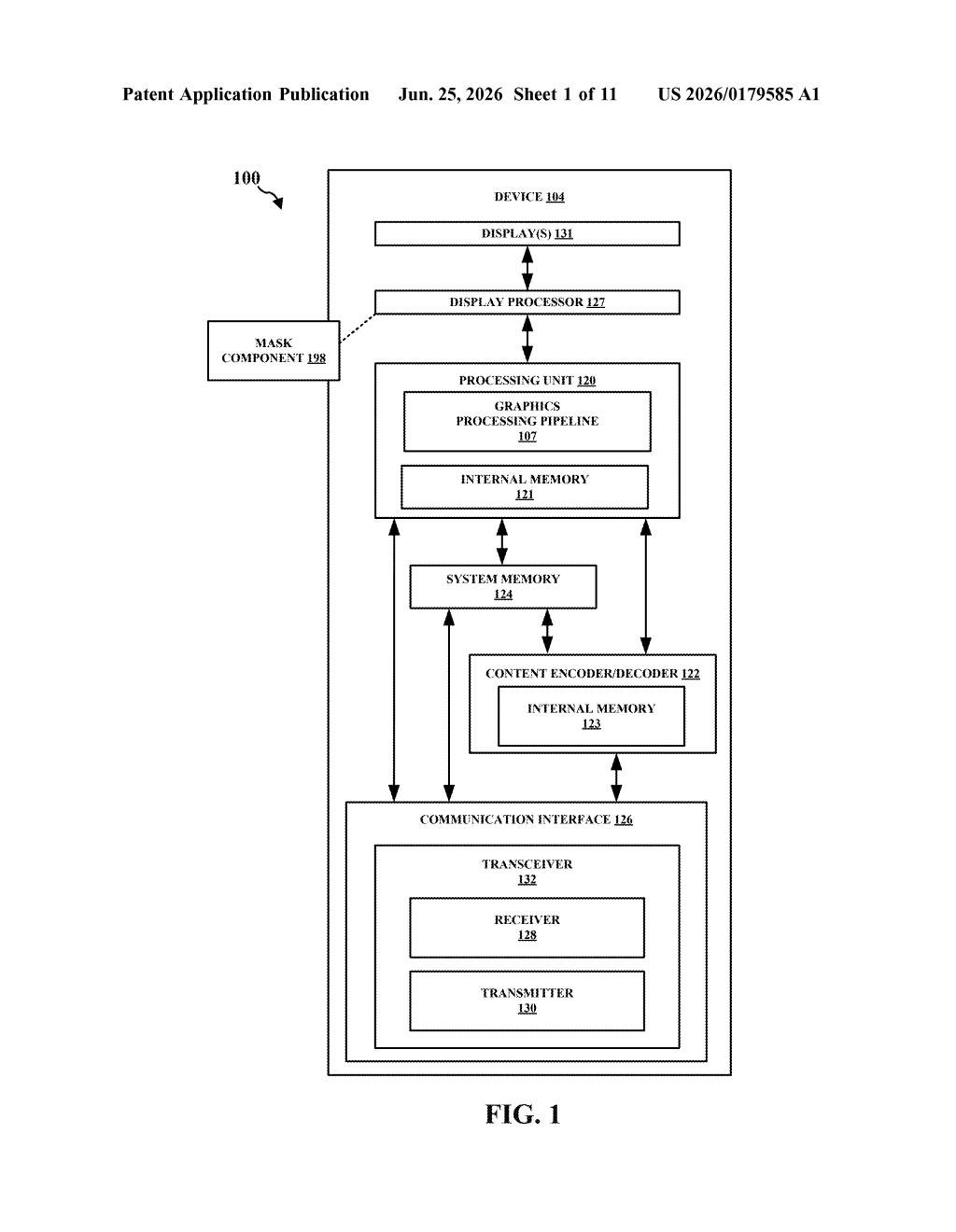
What Qualcomm's pixel-correction layer actually does
Imagine putting a custom screen protector on your phone that was precisely cut for that exact model. Now imagine your phone could check, every time it drew a new frame, whether that protector was still the right fit and remove it instantly if the display changed modes.
That's roughly what this Qualcomm patent describes. The system pre-builds a correction layer called a mask, tuned to a specific screen configuration. When the display is running, the processor fetches that mask from storage and checks whether the current screen state still matches the one the mask was built for.
If the screen has changed (different resolution, refresh rate, or color mode), the processor skips the mask entirely rather than applying a correction that no longer fits. If the screen matches, the mask goes on and the pixels get cleaned up. It's an automatic check that prevents a fix from becoming its own problem.
How the mask layer checks screen state before applying
The patent covers a Display Processing Unit (DPU), the dedicated chip block responsible for compositing and pushing pixels to a screen. The DPU can pre-build one or more mask layers, each made up of small correction units tied to specific physical sub-pixels (the individual red, green, and blue dots that make up each pixel on your screen).
These masks are stored on the device ahead of time, essentially pre-computed correction maps for a known screen configuration. At runtime, the DPU:
- Retrieves the relevant mask from device storage
- Reads the display panel's current configuration (resolution, color mode, etc.)
- Compares that current state to the configuration the mask was originally built for
- Either applies the mask or skips it depending on whether they match
The key design decision here is the conditional apply. Rather than always running a correction pass (which costs compute cycles) or never running one (which leaves errors uncorrected), the system only applies the mask when it's actually appropriate. That comparison step is what separates this from a simple always-on filter.
What this means for screens in phones and headsets
Display correction layers matter most in two places: high-end smartphones where per-pixel calibration is expected, and XR headsets where even tiny sub-pixel errors become visible at close focal distances. A correction filter applied at the wrong screen state could actually make image quality worse, so the runtime check described here is doing real work.
For Qualcomm, which supplies display processors to a large share of Android phones and powers platforms like the Snapdragon XR series, building this logic into the DPU means device makers get automatic correction without having to write their own conditional display logic. Your screen gets the right fix, or no fix, without you or the app developer doing anything.
This is solid, unglamorous chip-level engineering. It won't inspire a press release, but the conditional apply logic solves a genuine problem: display correction maps that are expensive to apply and actively harmful when mismatched. Worth filing, probably already shipping in some form in Qualcomm's DPU pipeline.
There are more where this came from
We read every patent application Big Tech publishes and send you the ones worth knowing. Plain English, free, every week.
Want this weekly breakdown for a company we don't cover? Patentlyze Pro →