
Sony Patents a Flexible VR Headset Seal That Eases Facial Contact Pressure
One of the most common complaints about VR headsets is light leaking in around the edges of the face pad. Sony's latest patent attacks that problem with an accordion-like flexible wall that compresses to match your face rather than pressing rigidly against it.
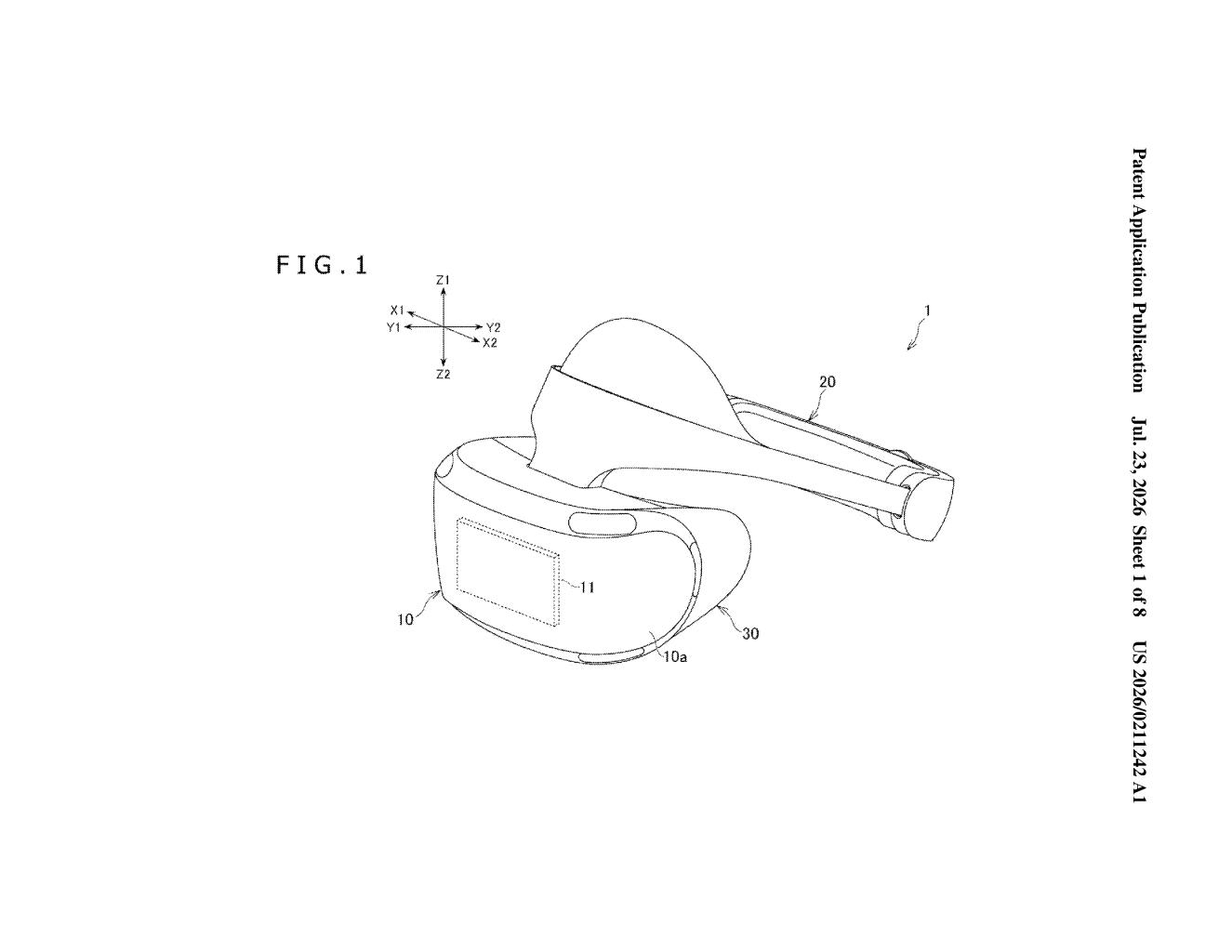
How Sony's accordion-style face seal would actually feel
Imagine putting on a VR headset and noticing a bright sliver of daylight sneaking in from the side. That light ruins the immersion and can make the picture look washed out. Most headsets today use a foam or rubber pad that pushes against your face with the same fixed pressure, no matter the shape of your nose or cheekbones.
Sony's patent describes a different approach: a structured wall that runs from the headset housing toward your face, built with accordion-style folds (what engineers call bellows). Those folds let the wall compress or expand wherever your face pushes against it, spreading the pressure more gently and conforming to your individual features.
The wall is actually split into multiple interlocking pieces, with right-side and left-side sections that meet around the nose area. That modular design means Sony could swap or tune individual pieces without redesigning the whole headset, and it could be easier to clean than a single foam cushion.
How the bellows wall segments block and flex around your face
The patent covers two things: a standalone light-shielding member (the flexible seal accessory) and a full head-mounted display that incorporates the design.
The key structural element is the bellows wall, a surface made of repeating accordion-like folds. When your face presses against it, the folds compress locally rather than the whole wall pushing back uniformly. That distributes pressure more evenly and reduces the hard-edge feeling common with rigid foam frames.
The wall is not one continuous piece. The claim describes:
- A first right light-shielding portion and a first left light-shielding portion that together define the main opening (where your eyes look through)
- A second right and second left light-shielding portion that sit in the space between the main frame and those first two sections, likely filling the nose bridge and inner-eye gap
Each section attaches to the headset housing independently, meaning the seal can flex in multiple zones at once rather than acting as a single stiff ring. The patent notes the design goal is to "moderate contact pressure" while still blocking ambient light effectively.
What this means for PlayStation VR comfort and light bleed
Light bleed and face discomfort are two of the biggest friction points for extended VR sessions. A rigid face pad that fits one face shape poorly will let light in at the edges, and prolonged pressure on cheekbones or the nose bridge causes real fatigue. Sony's approach addresses both problems with the same mechanical solution, which is more elegant than the current industry workaround of selling multiple foam pad sizes as accessories.
For PlayStation VR users specifically, this could mean longer, more comfortable play sessions without the distraction of ambient light around the edges. It also hints that Sony is thinking carefully about fit across a wide range of face shapes, which matters a lot if you want the headset to feel like a consumer product rather than a piece of lab equipment.
This is a genuine comfort and usability improvement rather than a flashy feature. VR headset face seals are an unsexy but real problem, and a flexible bellows design is a sensible engineering answer. Whether it actually ships in a future PlayStation VR product depends on how well the accordion folds hold up over thousands of compression cycles without degrading or tearing.
There are more where this came from
We read every patent application Big Tech publishes and send you the ones worth knowing. Plain English, free, every week.
The drawings
8 drawing sheets from US 2026/0211242 A1 · click any drawing to enlarge


Want this weekly breakdown for a company we don't cover? Patentlyze Pro →
Be the first to weigh in