
Samsung Patents a Robot Vacuum That Checks Its Battery Before It Starts Mopping
Samsung's latest patent describes a robot cleaner that doesn't just vacuum and mop blindly. It vacuums first, builds a map of your home during that pass, and then checks whether the battery has enough juice left to actually finish mopping before it even tries.
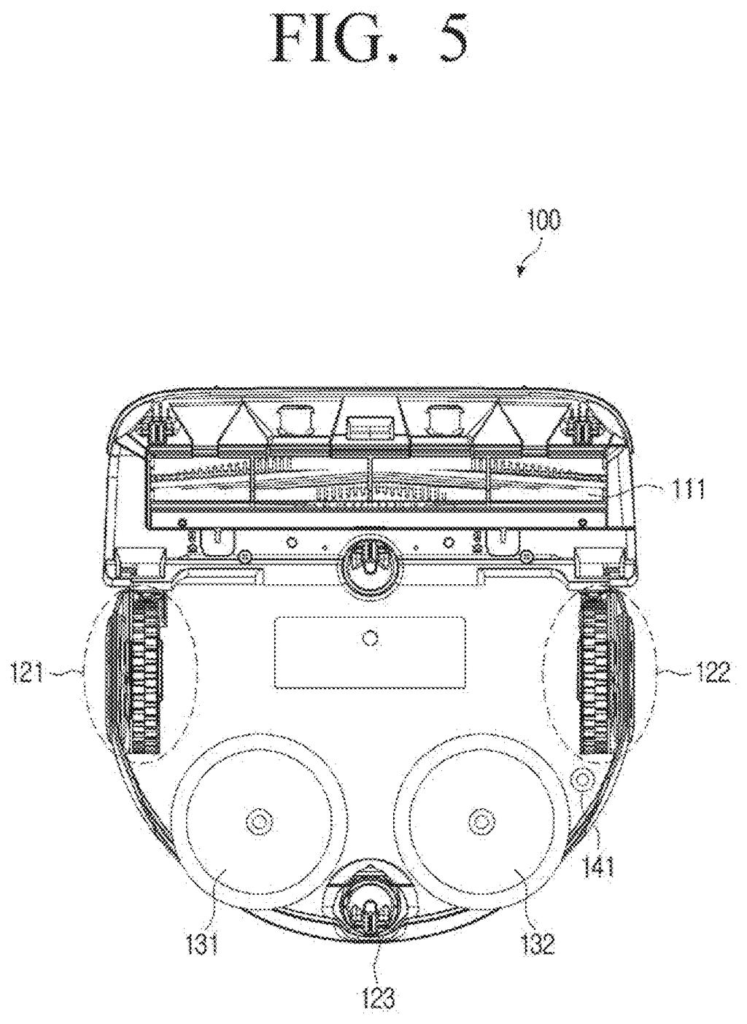
How Samsung's robot decides when to vacuum and when to mop
Imagine your robot cleaner finishes vacuuming, switches to mop mode, gets halfway across your kitchen, and then dies. That's the kind of frustrating half-job that Samsung's new patent is designed to prevent.
The idea is straightforward: the robot vacuums your space first, and while it's doing that it builds a map of the rooms it covers. Once vacuuming is done, it figures out which areas can be mopped (some zones, like carpets or areas near electronics, would be off-limits) and calculates how much battery that mopping job would actually use.
Only then does it compare that estimate against how much charge is left. If there's enough battery to finish the mop job, it goes for it. If not, it skips mopping rather than leaving your floors half-wet. It's a small but genuinely useful piece of planning logic built right into the robot.
How the robot maps, estimates, and decides to mop
The patent describes a robot cleaner with four main jobs happening in sequence: vacuum, map, calculate, then decide.
During vacuuming, the robot's onboard sensors collect data about the space it's moving through. That sensor data is used to generate a map of the area in real time, so by the time vacuuming is done, the robot already has a detailed picture of the layout.
From that map, the processor identifies which regions allow wet cleaning (mopping) and which don't. Restricted zones could include carpeted areas, regions the robot has been programmed to avoid, or areas where mopping would cause damage. The remaining "moppable" area is then used to calculate an estimated battery consumption for completing the wet clean.
- Vacuum the full space and build a map simultaneously
- Identify mop-safe zones within that map
- Estimate how much battery the mop job would consume
- Compare that estimate to remaining charge and decide whether to proceed
If the battery is sufficient, mopping begins. If not, the robot skips it rather than starting a job it can't finish.
What this means for combo vacuum-mop robot owners
Combo vacuum-mop robots are increasingly common, but the software logic managing their two jobs hasn't always kept up with the hardware. A robot that runs out of battery mid-mop leaves wet, partially cleaned floors, which can actually be worse than no mopping at all. This patent addresses that with a planning step that happens before mopping starts, not during.
For Samsung's Galaxy Home robot ecosystem and its Jet Bot product line, this kind of battery-aware scheduling could be a meaningful differentiator. It's also the sort of feature that seems obvious in hindsight but requires the vacuum and mapping phases to share data in real time, which isn't a trivial coordination problem.
This is a practical, unglamorous patent that solves a real problem most combo robot owners have hit at least once. It won't make headlines, but the underlying logic of 'plan before you act' is exactly the kind of quality-of-life engineering that separates a product people recommend from one they return. Worth watching for in Samsung's next Jet Bot generation.
There are more where this came from
We read every patent application Big Tech publishes and send you the ones worth knowing. Plain English, free, every week.
The drawings
14 drawing sheets from US 2026/0207024 A1 · click any drawing to enlarge


Want this weekly breakdown for a company we don't cover? Patentlyze Pro →
Be the first to weigh in