
Meta Patents a Battery Pack That Guides Itself Into Place
Swapping a battery in a small device is one of those things that sounds easy until you're fumbling to line up tiny electrical pins in the dark. Meta has filed a patent for a battery pack that takes the guesswork out of that process.

What Meta's self-aligning battery pack actually does
Imagine trying to snap a battery into a device where the metal contacts have to line up perfectly, or nothing works. If you're even a millimeter off, the device either won't charge or won't turn on at all. That's a real problem, especially for small gadgets like glasses or headsets where the battery slot is tight and the contacts are tiny.
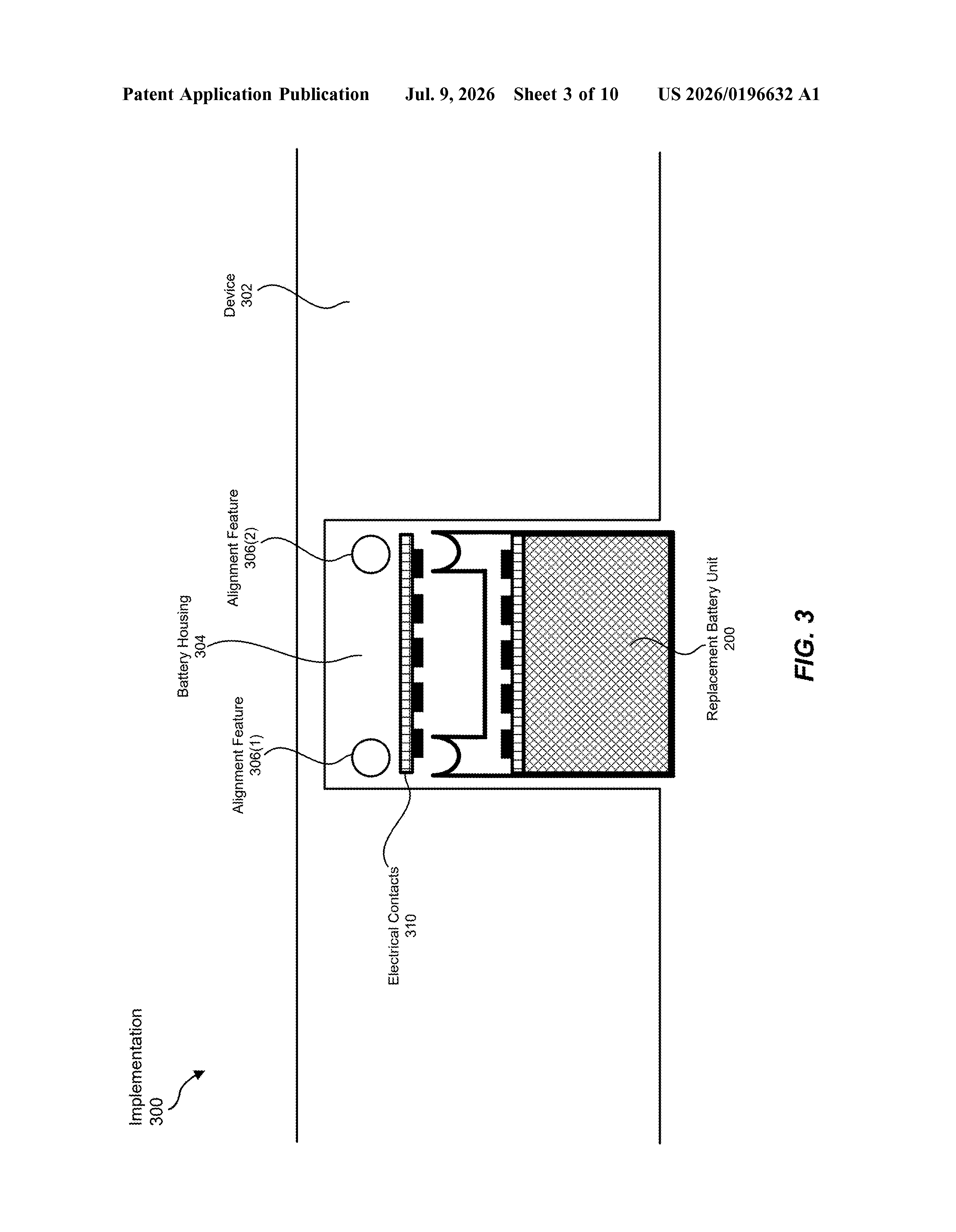
Meta's patent describes a battery pack that has a physical plate attached to it, and that plate has special shapes built in, like ridges, notches, or guides, that only fit correctly one way. When you slide the battery in, those shapes steer the electrical contacts straight into their matching counterparts inside the device.
The result: you don't have to carefully eyeball the alignment yourself. The battery essentially self-positions as it goes in. It's the same idea as a USB-C connector that works no matter which way you insert it, except applied to a replaceable battery.
How the alignment plate lines up the electrical contacts
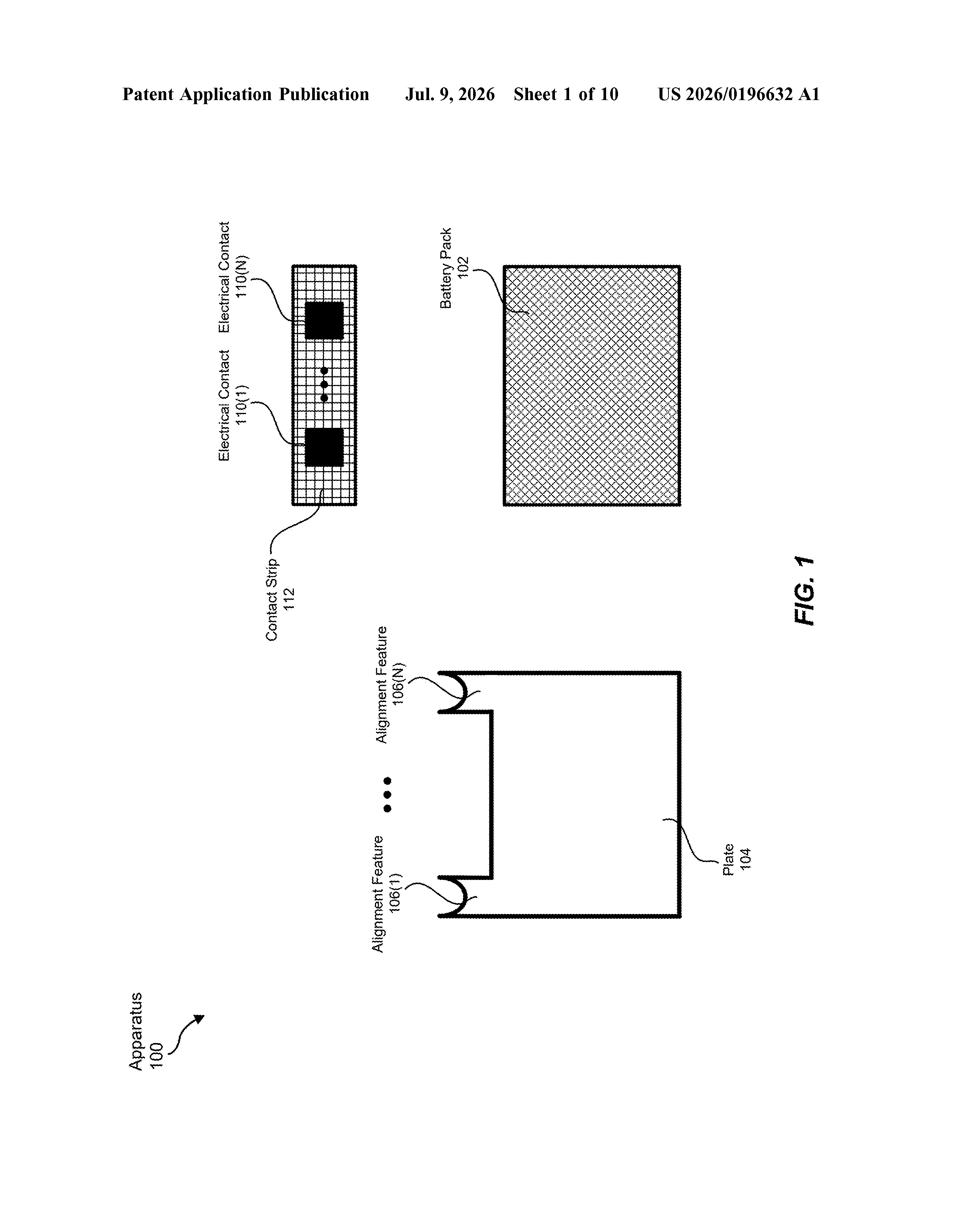
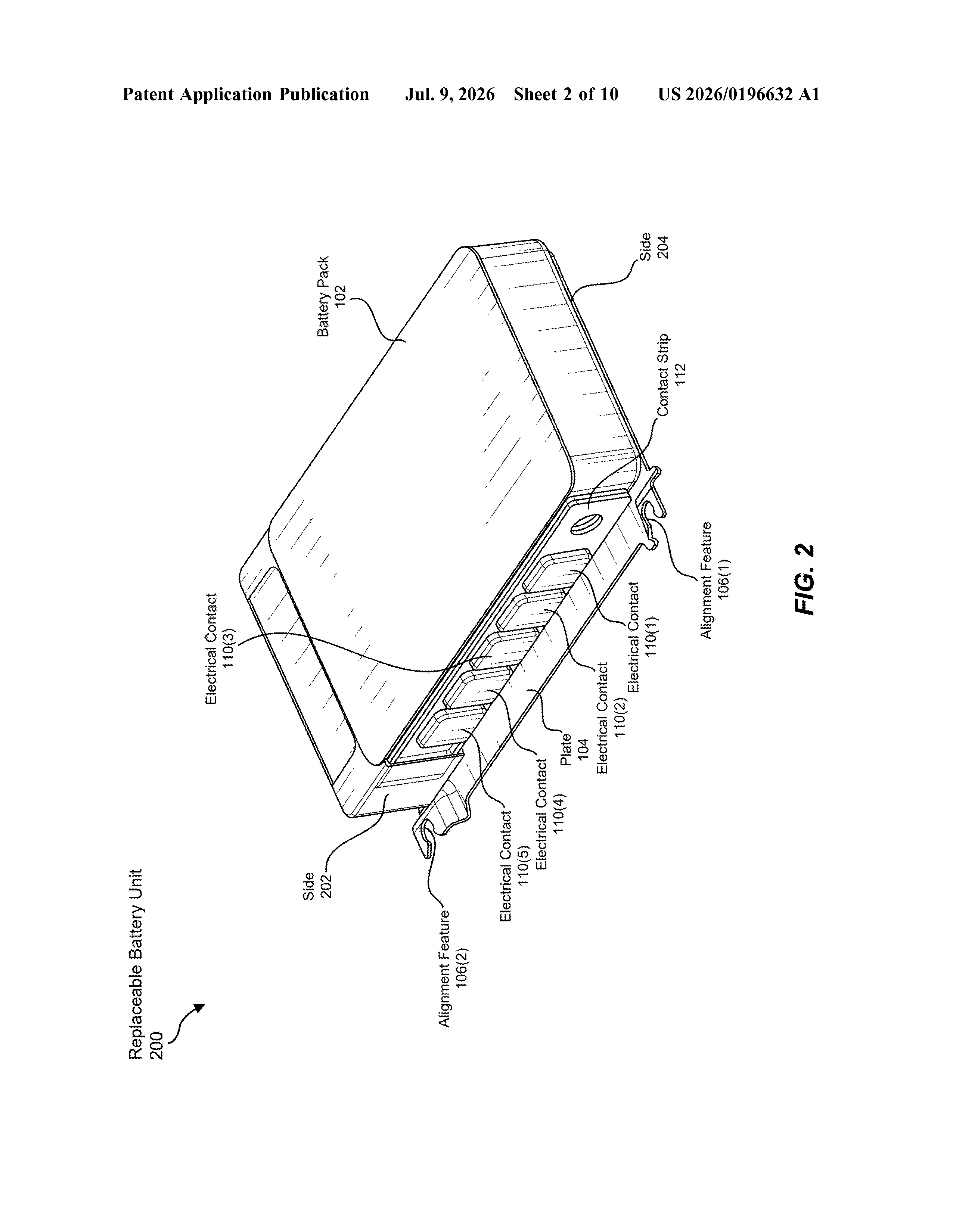
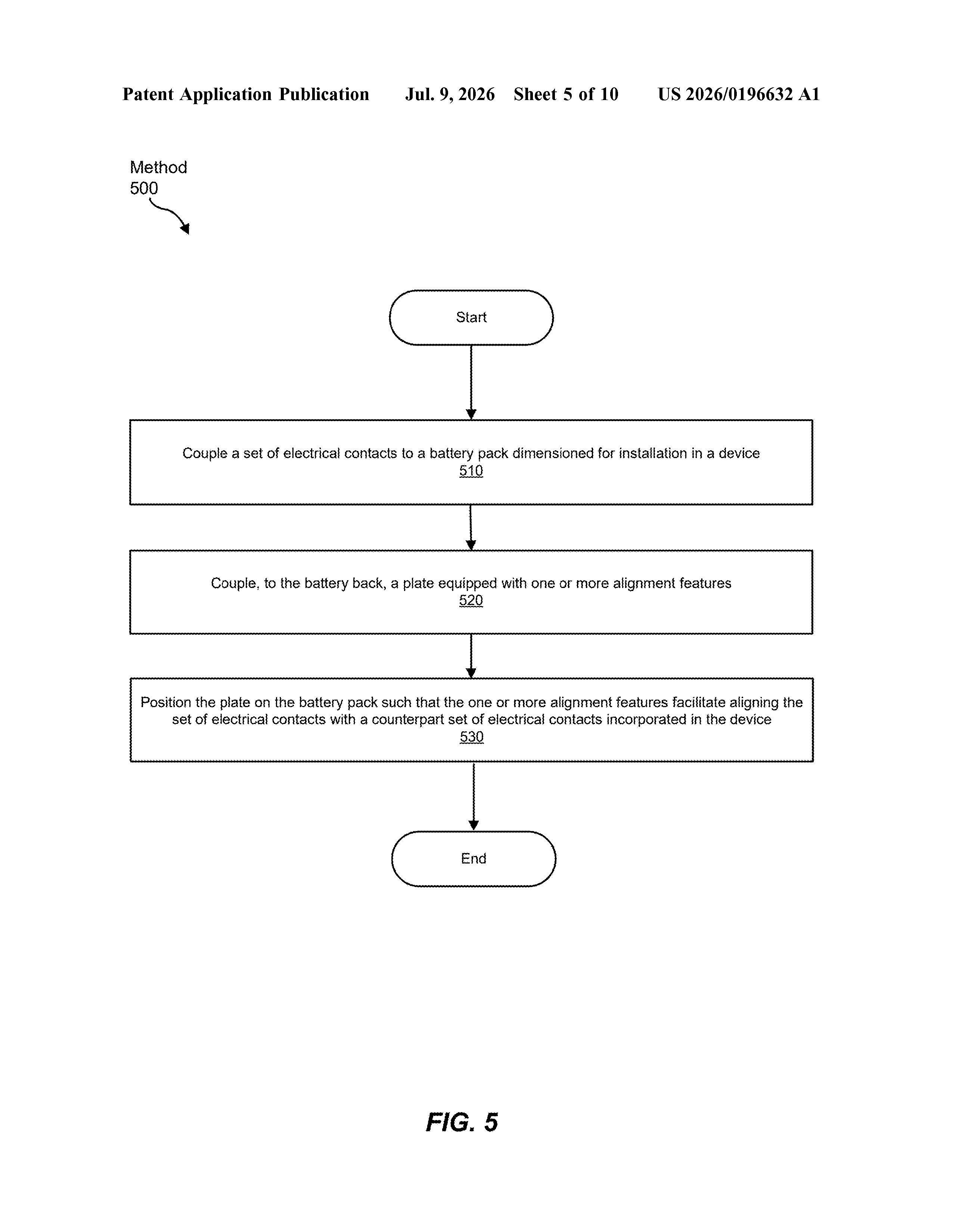
The patent describes a three-part assembly: a battery pack, a set of electrical contacts attached to that pack, and a alignment plate that is physically coupled to the battery.
The alignment plate is the key piece. It carries one or more alignment features, which are physical shapes or structures designed to mate with corresponding features inside the host device. Think of them as keys that only fit one lock, steering the battery's electrical contacts into exact register with the device's counterpart contacts every time.
The patent does not specify the exact form those alignment features take, such as pins, rails, chamfered edges, or slots, leaving that open for different implementations. The claim is broad enough to cover many physical geometries, as long as the plate's features facilitate correct contact alignment during installation.
- Battery pack: sized to fit a specific device form factor
- Electrical contacts: the metal terminals that transfer power
- Alignment plate: a rigid structure with shaped features that guide the whole assembly into the correct position
What this means for Meta's wearable hardware lineup
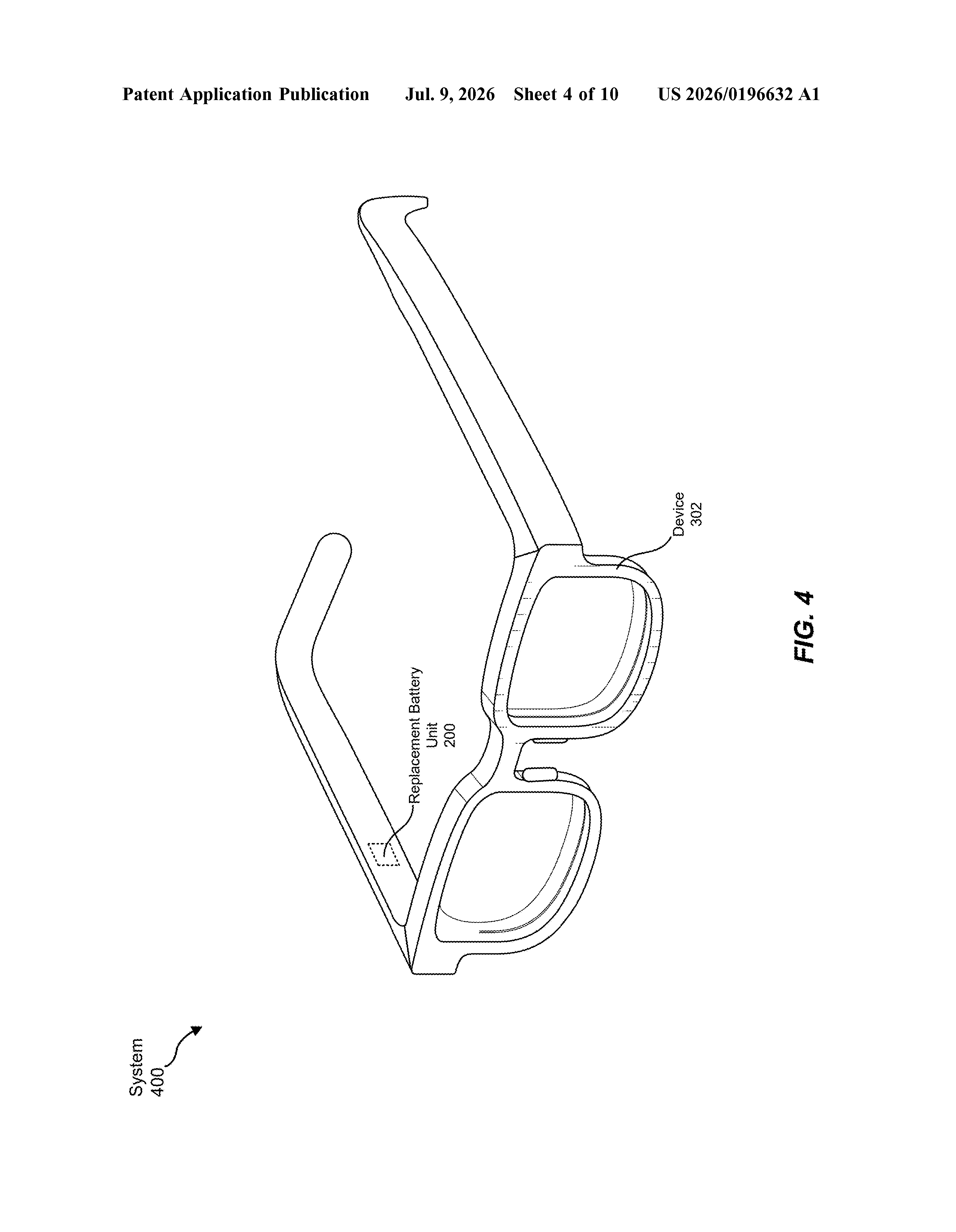
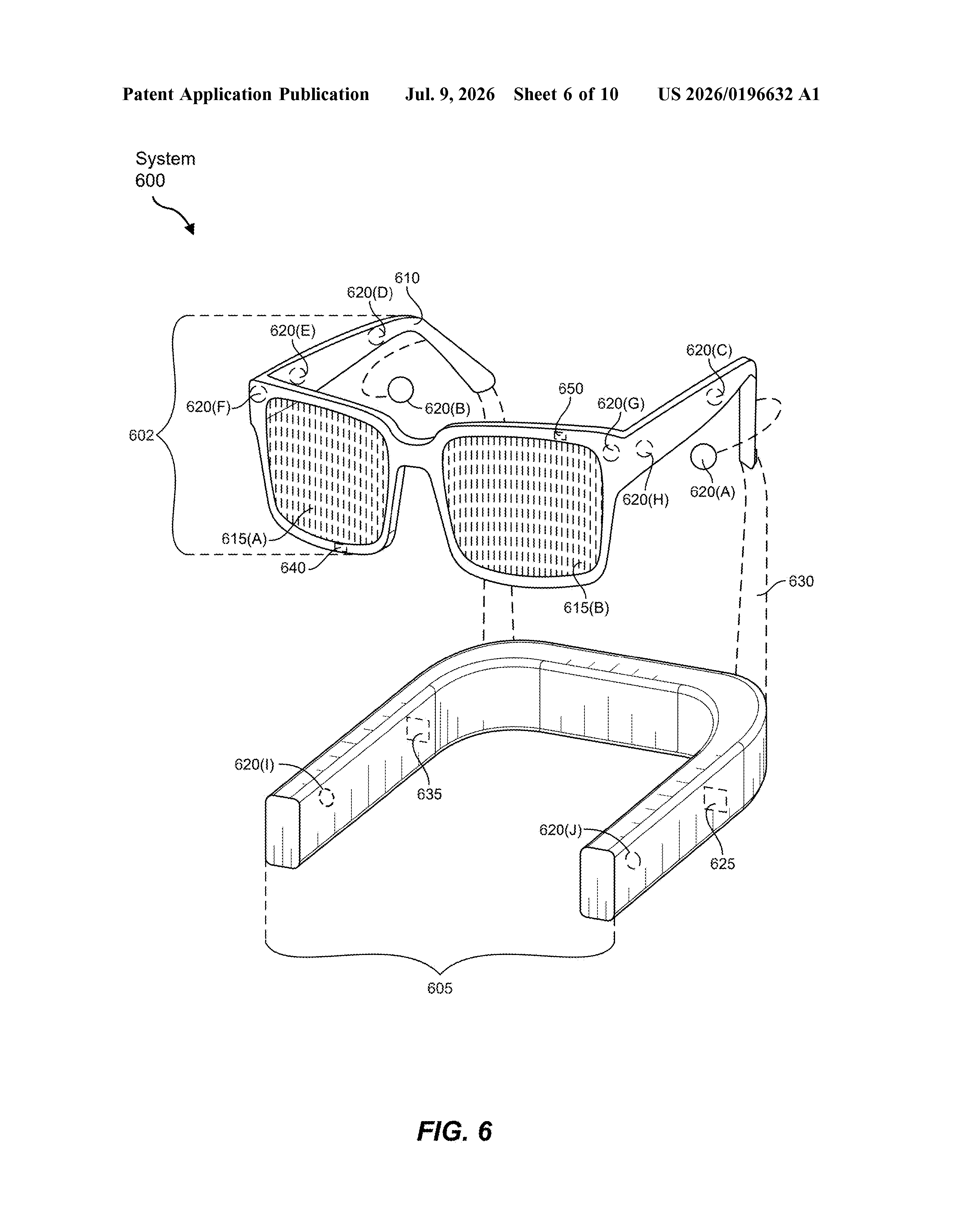
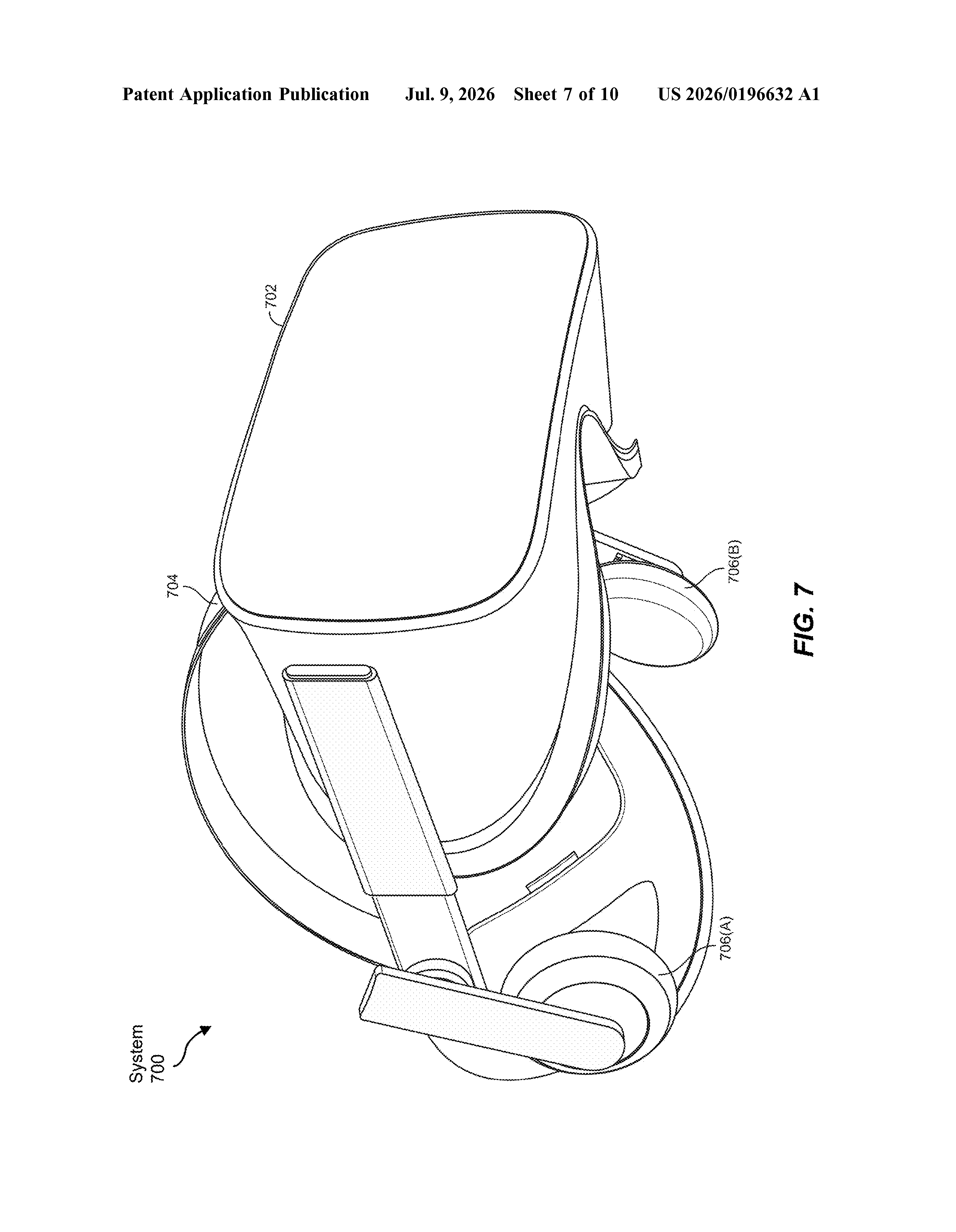
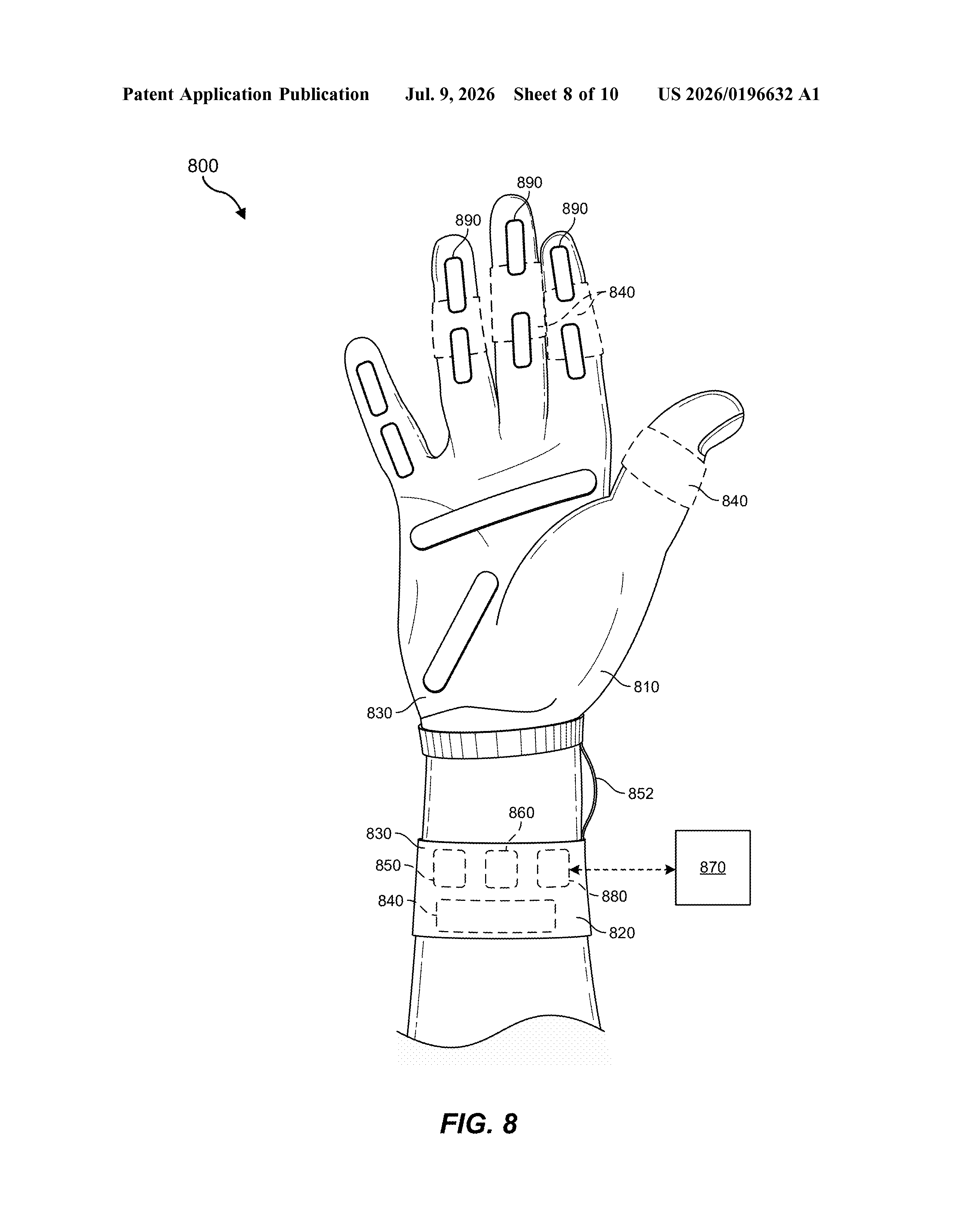
Meta makes hardware where precise battery connections matter a lot: AR glasses, VR headsets, and other wearables where the battery compartment is small and misalignment could damage fragile contacts or interrupt power delivery. A mechanical alignment solution is simpler and more reliable than asking users to carefully position a battery by eye, and it reduces the risk of bent pins or intermittent connections.
This also hints that Meta may be designing future devices with user-replaceable batteries, a feature that would be a notable choice given how many wearables today are sealed. If the battery is meant to be swapped regularly, making that swap foolproof is a practical engineering priority worth patenting.
This is a straightforward mechanical engineering patent, not a flashy AI or display breakthrough. But it's genuinely useful: reliable battery contact alignment matters more in compact wearables than in any other product category, and the fact that Meta is thinking about it suggests real hardware development work is underway. Worth a look if you follow the Meta Quest or Ray-Ban smart glasses lines.
Get our take in your Top Stories
Liked this breakdown? Add Patentlyze as a preferred source on Google, and our plain-English take shows up more often in your Top Stories the next time Meta patent news breaks.
There are more where this came from
We read every patent application Big Tech publishes and send you the ones worth knowing. Plain English, free, every week.
The drawings
10 drawing sheets from US 2026/0196632 A1 · click any drawing to enlarge
Want this weekly breakdown for a company we don't cover? Patentlyze Pro →