
Samsung Patents a Robot Charging Dock That Picks Its Own Sleep Mode
Your robot vacuum's charging dock sits plugged in 24 hours a day, burning power even when it has nothing to do. Samsung's new patent describes a dock smart enough to decide exactly how much of itself to shut off depending on whether the robot is actually home.
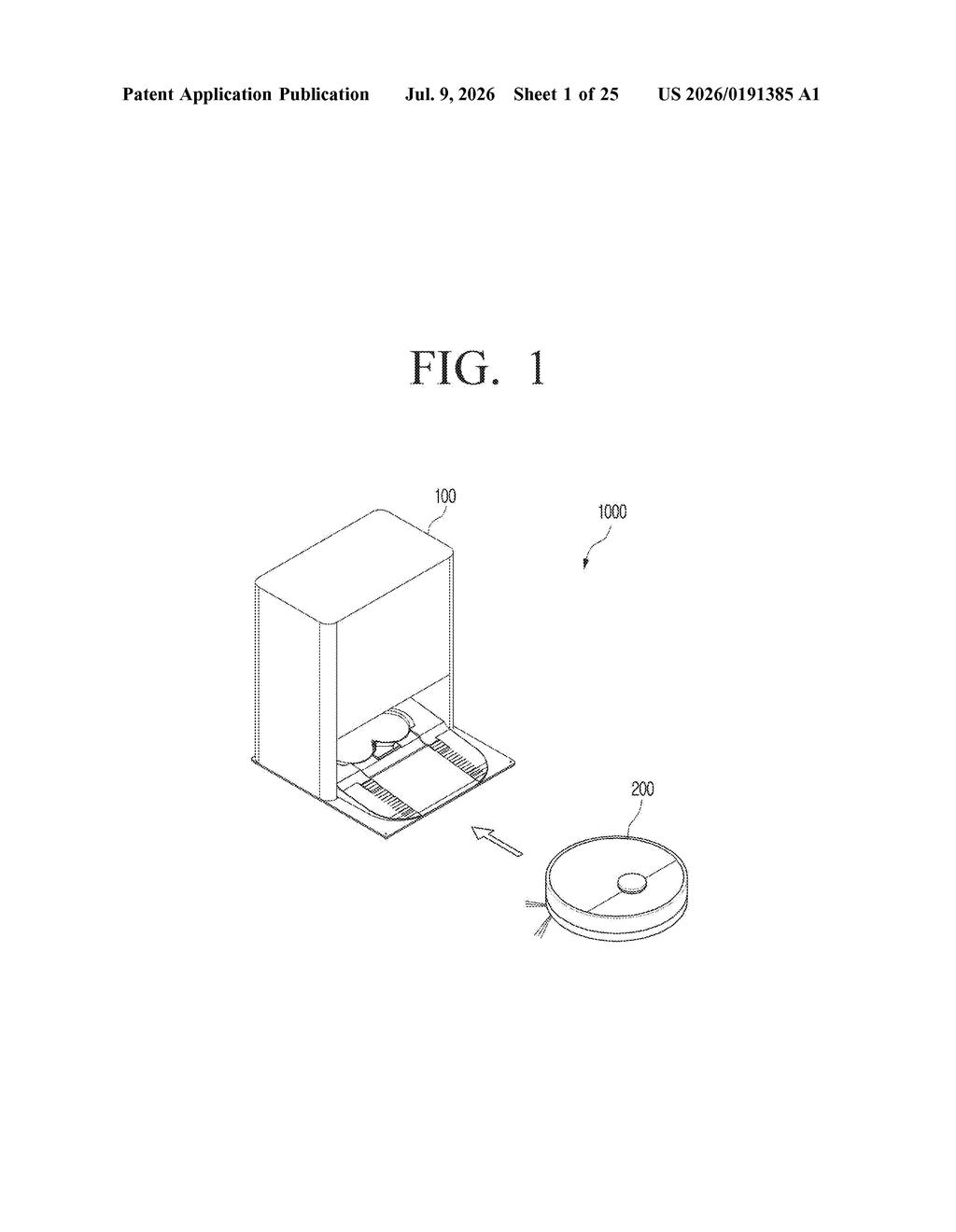
What Samsung's robot charger sleep system actually does
Imagine your robot vacuum's charging base as a small computer that never really sleeps. Even when your robot is out cleaning, the dock stays powered up, waiting. That standby power adds up over months and years.
Samsung's patent describes a charging dock that watches its own internal voltage. When that voltage drops below a set level (meaning the dock is running low or idle), the dock checks one more thing: is the robot physically sitting on it right now?
If the robot is not docked, the base shuts almost everything off, including its own sensors, to save as much power as possible. If the robot is docked, the base stays just alert enough to detect when the robot leaves or returns, but still stops charging. It's a two-speed sleep system designed to waste as little electricity as possible without losing track of where your robot is.
How the dock chooses between its two low-power states
The patent covers an electronic apparatus (essentially a robot charging station) that manages its own power draw through two distinct low-power states.
Normal mode is the baseline: the dock actively charges the robot and runs all its sensors. The dock continuously reads its internal voltage via a power sensor.
When that voltage reading falls below a threshold value, the dock consults a docking sensor to check whether the robot is physically connected:
- First sleep mode: Robot is not docked. The dock cuts power to the entire sensor array and stops charging. This is the deepest possible sleep, used when there is nothing to monitor.
- Second sleep mode: Robot is docked. The dock stops charging but keeps the sensor part powered, so it can still detect a change in docking status (for example, the robot undocking to start a cleaning cycle).
The key design choice is that the two modes are triggered by the same voltage condition but branch based on real-time docking data. The dock isn't guessing or following a timer; it is responding to actual sensor readings about both its own energy state and the robot's physical presence.
What this means for home robot battery life and standby waste
Robot vacuum docks are a surprisingly common source of idle power draw in homes that use them daily. A dock that actively manages its own sleep depth, rather than staying in one fixed standby state, can meaningfully cut the electricity wasted over a device's lifetime. For Samsung, which sells the Jet Bot line of robot vacuums, this kind of efficiency work also supports energy-rating claims in markets like the EU where standby consumption rules are tightening.
For you, the practical result would be a charging base that is genuinely off when your robot is out cleaning, and only partly on when the robot is resting. It is a small change in behavior but the kind that compounds across millions of units.
This is unglamorous but real engineering. Standby power in consumer robotics is a known problem nobody talks about much, and Samsung is at least patenting a structured solution rather than a single fixed sleep state. It's not a headline product feature, but it's the kind of detail that shows up in regulatory compliance and long-term energy cost comparisons.
Get our take in your Top Stories
Liked this breakdown? Add Patentlyze as a preferred source on Google, and our plain-English take shows up more often in your Top Stories the next time Samsung patent news breaks.
There are more where this came from
We read every patent application Big Tech publishes and send you the ones worth knowing. Plain English, free, every week.
Want this weekly breakdown for a company we don't cover? Patentlyze Pro →