
Samsung Patent Covers Camera Lenses With Light-Filtering Coatings Built Into the Glass
Instead of adding a separate infrared-blocking glass piece to a camera, Samsung's new patent puts those filters directly onto the surfaces of individual lenses inside the assembly. It's a small structural change with real implications for how thin and accurate future phone cameras could be.
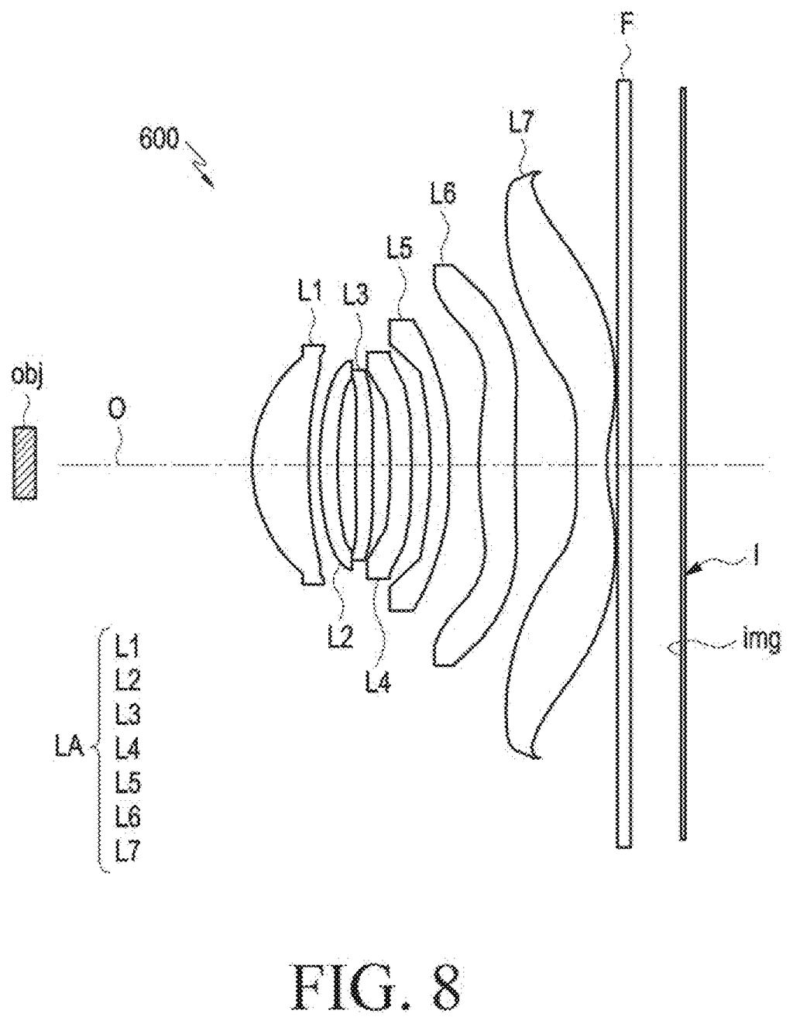
What Samsung's built-in lens filters actually do
Cameras, including the ones in your phone, capture more than just visible light. Near-infrared light (the kind you can't see but cameras can) sneaks into photos and throws off colors, making skin tones look washed out or grass look wrong. To fix this, cameras typically include a separate piece of glass called an IR-cut filter that blocks this invisible light before it hits the image sensor.
Samsung's patent takes a different approach. Instead of using that standalone filter component, it proposes coating the surfaces of lenses that are already inside the camera stack with two different filter layers. One coating blocks a lower range of infrared light, the other blocks a higher range. The job gets split across multiple lenses rather than handled by one dedicated part.
The payoff is potentially a more compact camera module, since you're not reserving space for a separate filter element. It could also give engineers more precise control over exactly which wavelengths of light reach the sensor.
How the two filter layers block different infrared bands
The patent describes a lens assembly with at least five lenses arranged in a stack leading to an image sensor. The key innovation sits in the middle lenses (those between the outermost and innermost elements): two different filter coatings are applied directly to their surfaces.
- First filter layer: Blocks at least 70% of light in the 800-950 nanometer range (the lower end of near-infrared). This is the band most responsible for color inaccuracies in standard photography.
- Second filter layer: Blocks at least 70% of light in the 1000-1200 nanometer range (deeper infrared), which matters more for specialized sensing tasks.
By splitting the filtering job across two separate lens surfaces, the design avoids the sharp optical boundaries that a single thick filter can create. Each filter layer is deposited as a thin coating, similar to the anti-reflective coatings already common on lenses. The specific wavelength ranges suggest the design is tuned for both standard photo quality and potential sensing applications (like time-of-flight depth or facial recognition systems) that use infrared light sources in those bands.
What this means for smartphone camera design
Smartphone camera modules are already fighting for every fraction of a millimeter of space inside an increasingly thin chassis. Removing or shrinking a dedicated IR-cut filter component, even slightly, gives mechanical engineers room to work with. More importantly, baking the filtering into the lenses themselves means the optical path is shorter and simpler.
For you as a user, the practical result would likely be more accurate colors in everyday photos and potentially better performance from face-unlock or depth-sensing features. This kind of foundational optics work rarely makes a spec sheet, but it determines whether a camera's colors look true-to-life or slightly off.
This is a focused, technical optics patent, not a headline product announcement. Samsung's camera teams regularly file work like this as they refine lens stack designs for future Galaxy phones. It's worth attention for anyone tracking camera miniaturization, but it won't mean anything to most readers until it shows up inside an actual device.
Get our take in your Top Stories
Liked this breakdown? Add Patentlyze as a preferred source on Google, and our plain-English take shows up more often in your Top Stories the next time Samsung patent news breaks.
There are more where this came from
We read every patent application Big Tech publishes and send you the ones worth knowing. Plain English, free, every week.
The drawings
11 drawing sheets from US 2026/0211296 A1 · click any drawing to enlarge


Show the other 3 sheets


Want this weekly breakdown for a company we don't cover? Patentlyze Pro →