
New iPhone Patent Reveals Flush Glass and Camera Bump Design
The camera bump on the back of your iPhone has always sat above the rear glass, creating a visible step. Apple is now patenting a design where that transition is nearly invisible.
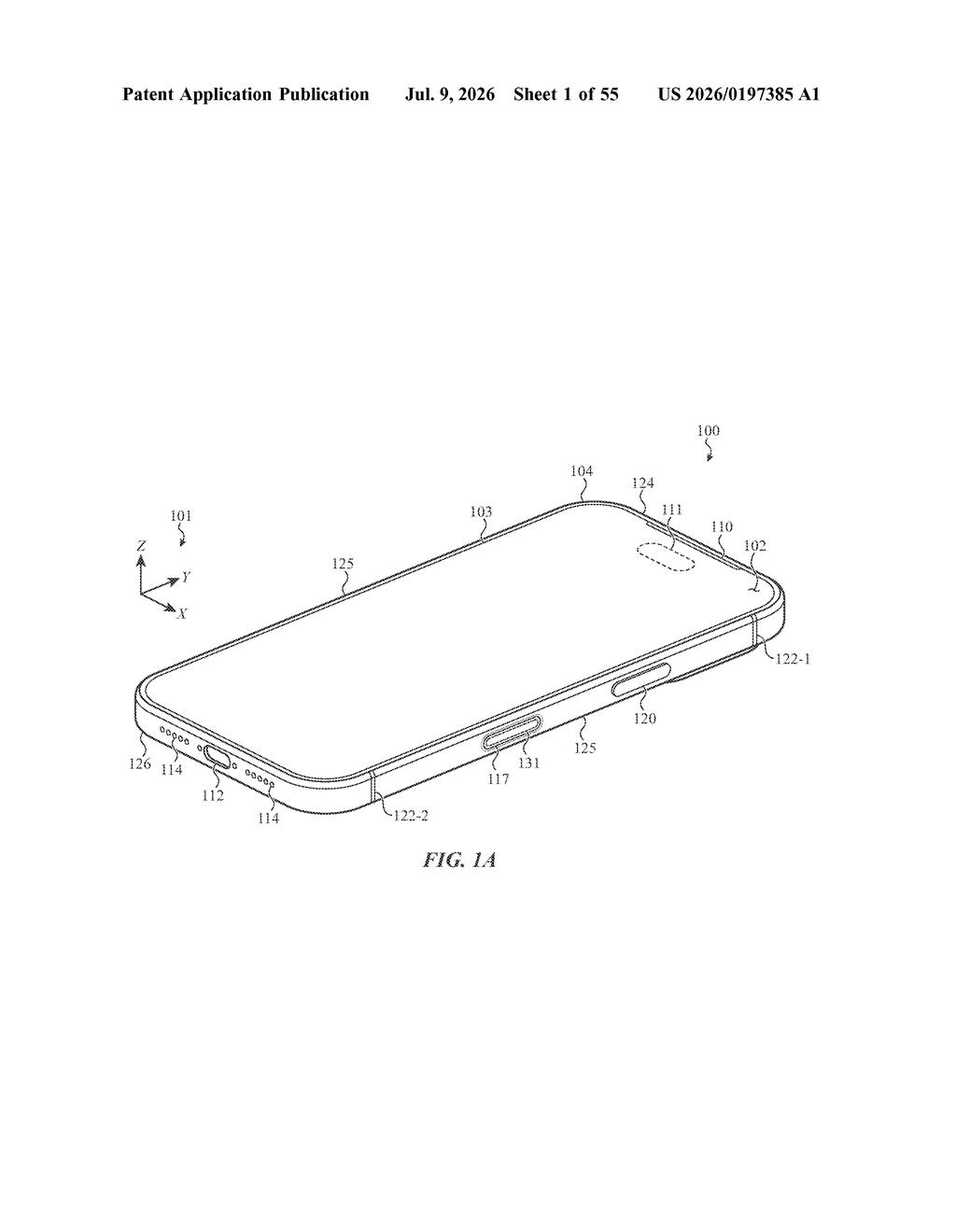
What Apple's flush rear-glass iPhone design actually does
Flip your current iPhone over and run your finger from the back glass to the camera bump. You'll feel a raised edge where the bump begins. That step is just how phones have been built, but Apple is apparently looking at ways to close that gap.
This patent describes an iPhone where the metal ring surrounding the camera bump and the rear glass panel end up at almost exactly the same height. The glass sits inside an opening in the metal frame, and the two surfaces line up so closely that the back of the phone feels like a single continuous surface instead of two separate layers.
The camera module itself still lives inside the bump, which sticks out from the rest of the phone as usual. What changes is the junction between the flat glass back and that protruding metal island. Apple is describing a way to make that join flush rather than stepped.
How the metal protrusion and rear glass fit together
The patent lays out a phone body made of a few distinct pieces working together. A metal housing structure forms the main frame of the device and doubles as the front bezel. Extending from the rear of that frame is a protrusion (the camera bump) made entirely of metal, with holes bored through it to seat the camera modules.
Inside the main frame, there is an opening sized to receive the rear glass panel. That glass panel sits inside the metal frame's opening rather than on top of it. The key detail is that the outer surface of the glass is specified to be "substantially flush" with the surface of the surrounding metal bezel, meaning the two materials meet at the same level.
The arrangement looks something like this:
- Metal housing defines the outer rim and the raised camera island
- Glass rear panel drops into a recess in the metal frame
- The glass surface and the metal rim around it are level with each other
- Camera optics sit in holes cut through the metal protrusion
This is primarily a mechanical and industrial-design patent, not an optics or sensor patent. It's about how the physical pieces of the phone body fit together.
What this means for future iPhone hardware design
The camera bump has been a defining (and divisive) part of iPhone design since the iPhone 6. Every generation has made the bump taller as camera systems grew more complex. The stepped transition between flat glass back and raised metal bump is a direct consequence of how those parts are assembled. A flush junction would mark a visible design shift that many users have been waiting for.
For Apple, the practical upside is a cleaner, more unified back surface that could also improve structural integrity at the joint between glass and metal. It would make the phone feel more like a solid object. Whether this shows up in a near-term iPhone or a future redesign is not something the patent tells us, but the level of detail suggests real engineering work rather than a speculative filing.
This is a genuine industrial-design filing with specific structural claims, not vague concept art. The flush-glass detail is exactly the kind of refinement Apple has chased in every major iPhone redesign cycle. It's worth watching because it addresses one of the few remaining rough edges in iPhone hardware.
Get our take in your Top Stories
Liked this breakdown? Add Patentlyze as a preferred source on Google, and our plain-English take shows up more often in your Top Stories the next time Apple patent news breaks.
There are more where this came from
We read every patent application Big Tech publishes and send you the ones worth knowing. Plain English, free, every week.
Want this weekly breakdown for a company we don't cover? Patentlyze Pro →