
Apple Patents a Camera Bump Where the Depth Sensor Points at an Angle
Every lens on the back of your iPhone points straight out, perpendicular to the glass. Apple is now patenting a design where at least one sensor breaks that rule and aims at a deliberate angle instead.
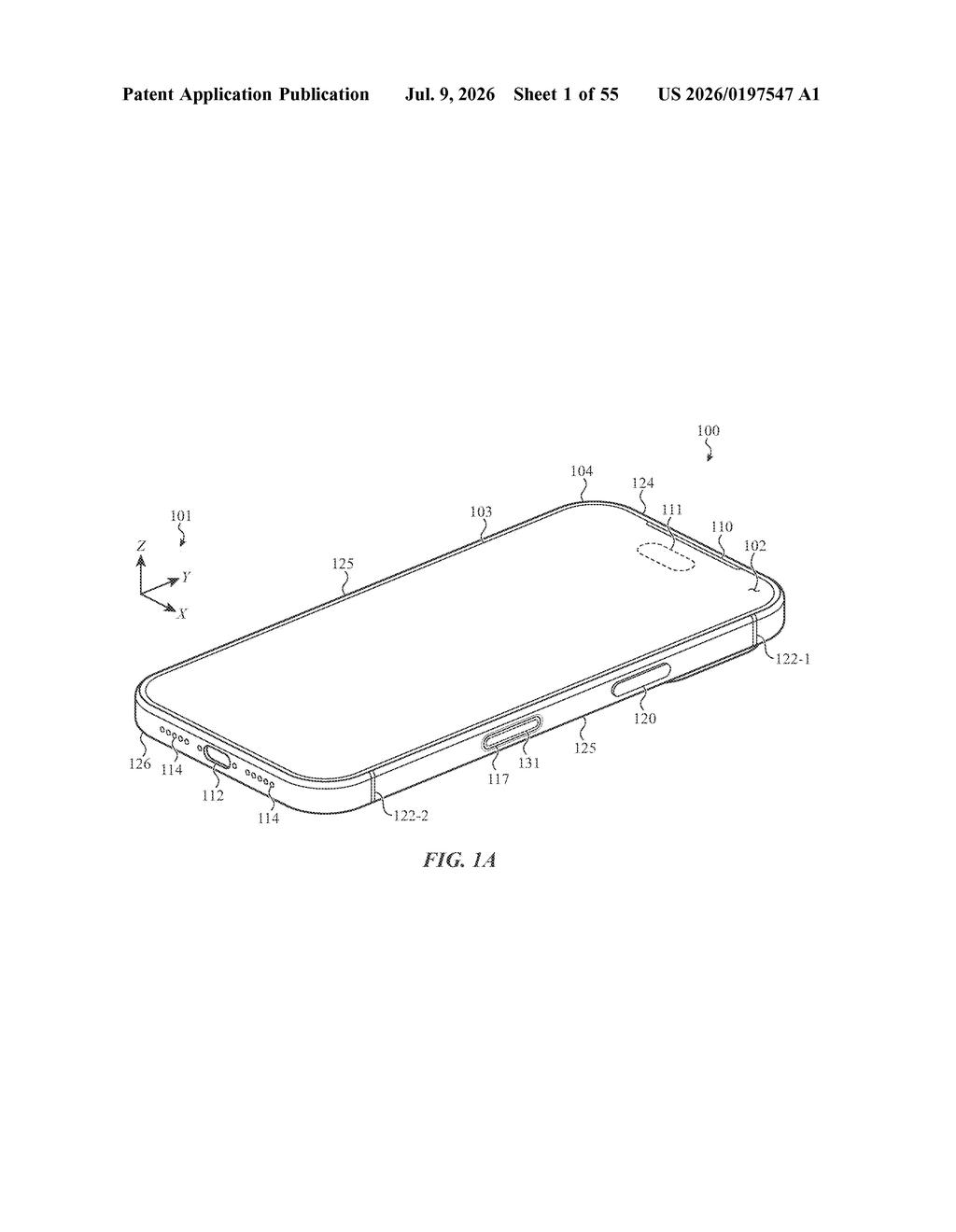
What Apple's angled depth sensor design actually does
Picture the rectangular camera bump on the back of an iPhone. Every lens in that bump currently faces directly away from the phone, like tiny windows pointing straight out into the world. This patent describes a version where the regular camera still works that way, but a separate depth sensor is tilted, pointing slightly off to the side rather than straight back.
Depth sensors are the components that help your phone figure out how far away objects are, which powers features like Portrait Mode blur and face scanning. By angling the depth sensor differently from the main camera, Apple may be able to capture depth information from a wider or different field of view without making the bump bigger.
This is a hardware geometry patent, meaning it covers the physical arrangement of lenses inside the camera module rather than any software trick. It's the kind of quiet engineering detail that rarely makes a headline but shapes what your phone can actually see.
How the tilted lens axis fits inside the camera protrusion
The patent describes a phone housing with a raised camera region (the familiar bump) that contains two distinct openings. The first houses a standard camera lens assembly whose principal axis (the imaginary straight line through the center of the lens) runs perpendicular to the back surface of the phone, which is how every current iPhone lens is oriented.
The second opening holds a depth sensor module whose lens axis is described as oblique to that same surface, meaning it is tilted at an angle rather than pointing straight out. The patent doesn't specify the exact angle, but the claim language is clear that it is intentionally non-perpendicular.
A depth sensor measures distance by projecting invisible infrared light and timing how long it takes to bounce back, or by comparing images from slightly different positions. Tilting its lens changes the cone of space it can "see," which could let it capture depth data that a straight-mounted sensor in the same physical location would miss.
- The housing forms two distinct rear-surface zones: the flat main back and the raised bump.
- The regular camera lens sits perpendicular to the bump's surface.
- The depth sensor lens sits at an oblique angle to that same bump surface.
What this means for iPhone depth-sensing and photography
For everyday users, a better-positioned depth sensor could mean more accurate background blur in Portrait Mode, improved performance in low-light depth detection, or more reliable augmented-reality measurements. Getting more coverage from the depth sensor without adding extra lenses or enlarging the camera bump is exactly the kind of trade-off Apple's hardware team works on between generations.
This is a relatively narrow industrial-design patent, so it won't tell you much about the next iPhone's overall camera strategy. But the specific detail of a non-perpendicular depth sensor axis is unusual enough to suggest Apple's engineers found a concrete optical reason to tilt it rather than just filing a broad geometry claim for its own sake.
This is a focused, specific hardware geometry claim rather than a broad software or AI patent, which makes it more credible as something Apple's engineers are actively prototyping. The fact that the claim is narrow (it really does just describe one tilted lens axis) works in its favor for eventual grant, and the optical logic for why you'd tilt a depth sensor is sound. Worth a note, but not a reason to expect a dramatically different-looking iPhone.
Get our take in your Top Stories
Liked this breakdown? Add Patentlyze as a preferred source on Google, and our plain-English take shows up more often in your Top Stories the next time Apple patent news breaks.
There are more where this came from
We read every patent application Big Tech publishes and send you the ones worth knowing. Plain English, free, every week.
Want this weekly breakdown for a company we don't cover? Patentlyze Pro →