
Samsung Patents a Smart Ring That Asks Your Phone to Charge It
Samsung is working on a smart ring that doesn't wait for you to notice the battery is dying. Instead, it sends a message to your phone asking it to start wirelessly charging it.
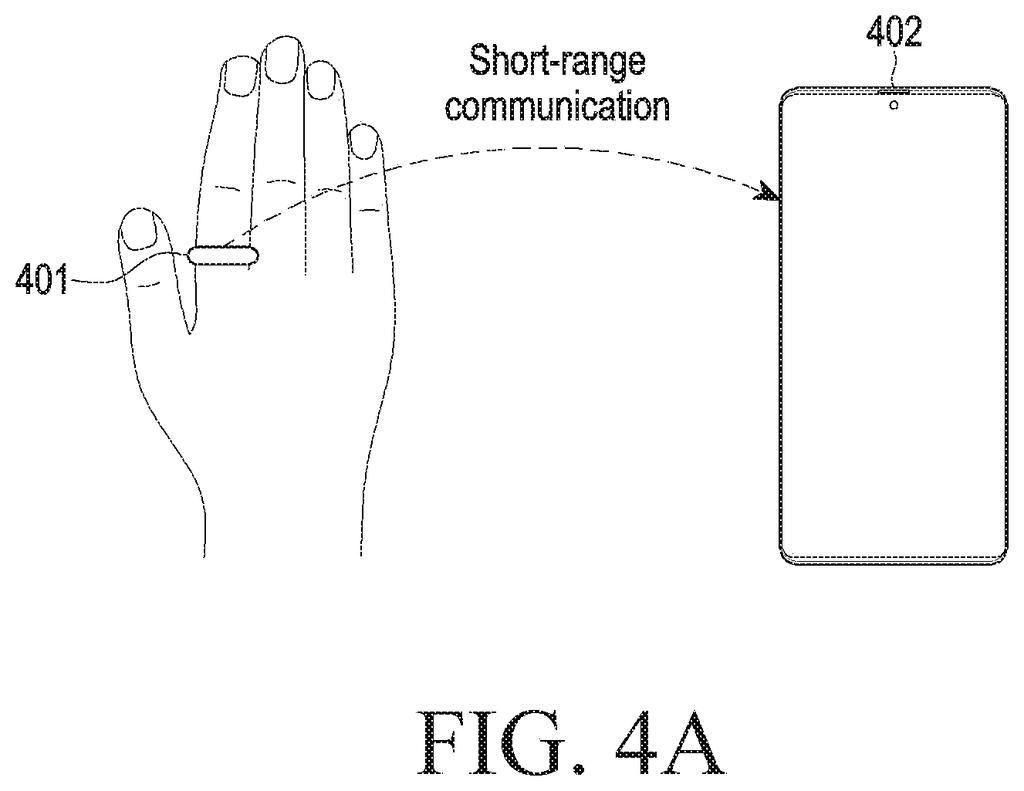
How Samsung's ring would beg your phone for power
Imagine your smart ring notices it's running low on battery and, instead of just sitting there until it dies, it sends a little SOS to your phone or another Samsung device nearby: "Hey, I need a charge."
That's the core idea here. Once the ring fires off that request, it switches into a special low-power "charging standby" mode and tunes its internal radio and charging circuits to the right settings for receiving wireless power. Then, as soon as you bring the ring close enough to the device that answered its request, charging kicks off automatically.
The whole process is designed to be hands-off. Your ring handles the negotiation in the background, so you don't have to dig out a charging cradle or plug anything in. You just bring the two devices near each other.
How the ring switches into charging standby mode
The patent describes a ring-shaped wearable that monitors its own battery level continuously. When that level drops below a set threshold, the ring uses its communication circuit (likely Bluetooth or a similar short-range radio) to transmit a power request to a paired external device, such as a smartphone.
Once the request is sent, the ring enters a charging standby mode. In that mode, the device reconfigures the parameters of its power reception circuit (the hardware that harvests energy from wireless charging fields) and its communication circuit to values specifically tuned for receiving wireless power. Think of it as the ring shifting gears so it's optimized for one job: absorbing energy.
Charging then begins automatically when the ring comes within a specified distance from the external device. The patent doesn't lock in a specific technology, but the setup is consistent with inductive or resonant wireless charging standards.
Key components called out in the claim:
- A battery and power reception circuit inside the ring body
- A communication circuit for sending the power request
- A processor that orchestrates the whole handshake sequence
- A "charging standby mode" with distinct circuit parameter settings
What this means for the Galaxy Ring's charging future
For Samsung Galaxy Ring users, this kind of automatic charging negotiation could make a meaningful difference day-to-day. Right now, small wearables like rings rely on dedicated charging cradles; a system where your phone itself becomes the charger removes one more accessory from your bag.
More broadly, this filing signals that Samsung is thinking about how its ring integrates with the rest of its device ecosystem, particularly Galaxy phones. If a phone can act as the power source, the ring becomes more independent of its cradle, which matters a lot when you're traveling light. The catch is that phone-to-ring wireless charging tends to drain the phone's own battery, so how Samsung handles that trade-off will matter as much as the charging handshake itself.
This is a straightforward but genuinely useful idea for a product category where battery life is a constant complaint. The automatic "ask and receive" charging model is more elegant than hunting for a charging puck, and it fits Samsung's broader push to make Galaxy devices work together without much user effort. It's not a flashy invention, but it solves a real annoyance.
There are more where this came from
We read every patent application Big Tech publishes and send you the ones worth knowing. Plain English, free, every week.
The drawings
14 drawing sheets from US 2026/0221812 A1 · click any drawing to enlarge


Want this weekly breakdown for a company we don't cover? Patentlyze Pro →