
Apple Patents a Battery Case Design With Reinforced Side Walls
Apple is rethinking the metal box that holds your phone's battery cells, making the sides thicker than the top and bottom plates in a deliberate structural tradeoff.
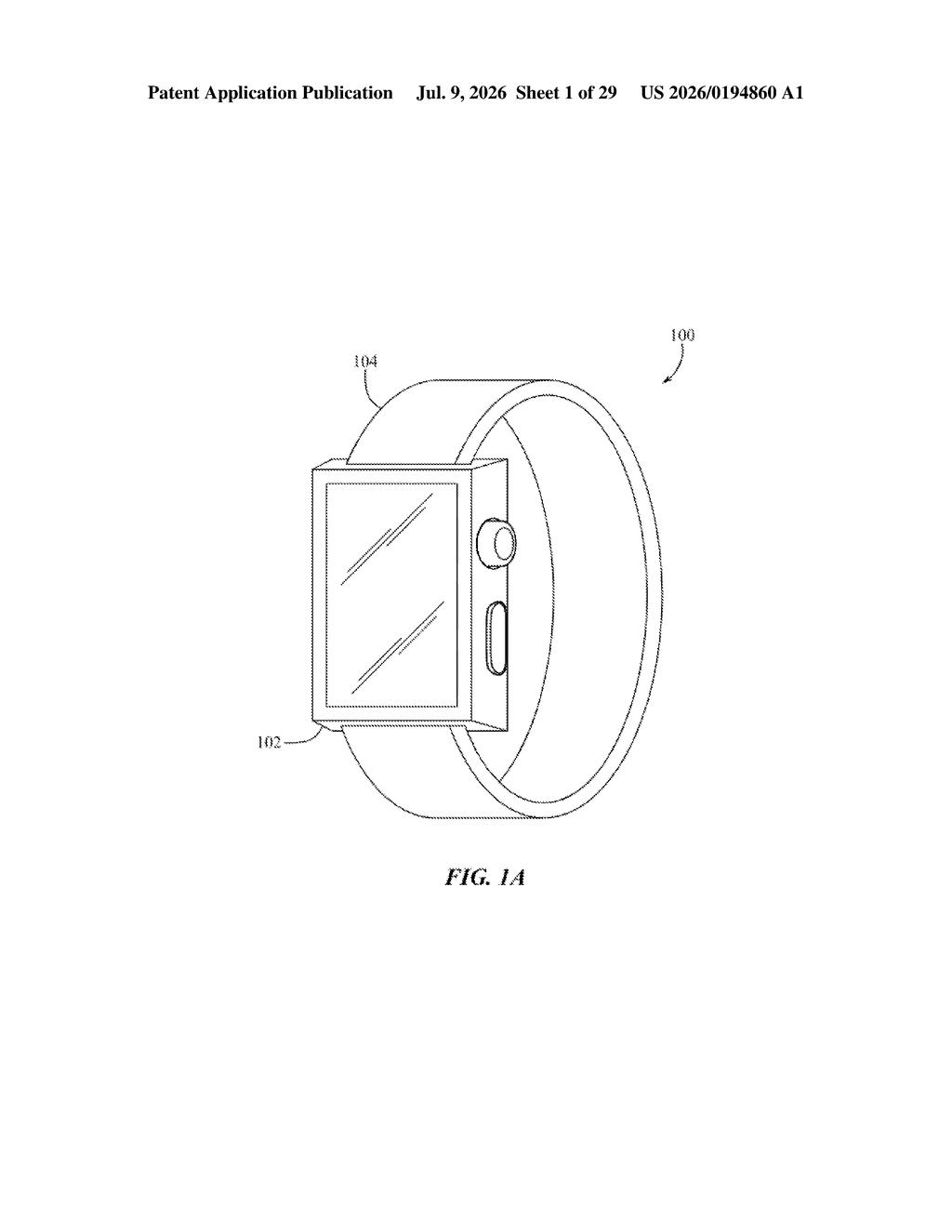
What Apple's thicker battery sidewall design actually does
Imagine a shoebox where the lid and base are thin cardboard but the four side walls are made of thick corrugated board. That's essentially what Apple is describing here for the metal casing around a battery's stacked cells.
The patent covers a battery where the top plate, the bottom plate, and the surrounding sidewall are all separate pieces welded together, but the sidewall is intentionally thicker than the two flat plates. The idea is that the sides of a battery pack take the most punishment from bending, dropping, and internal pressure, so they earn the extra material.
Thin top and bottom plates keep the overall battery as flat and light as possible, which matters enormously when engineers are fighting for fractions of a millimeter inside a phone or watch. The thicker sidewall handles the structural load without adding bulk where it isn't needed.
How the three-piece welded battery housing is built
The patent describes a battery assembly built from three distinct metal pieces: a first battery housing plate (top), a second battery housing plate (bottom), and a battery housing sidewall that wraps around the perimeter between them. All three are welded together.
The key engineering detail is the thickness hierarchy. The sidewall's thickness (the patent calls it the "third thickness") is greater than either the top or bottom plate. Inside this enclosure sit stacked cells, the individual electrochemical layers that actually store charge, layered on top of each other between the two flat plates.
This asymmetric construction lets Apple optimize each surface for its job:
- Top and bottom plates are thin, keeping the battery's height profile low.
- The sidewall is thicker, resisting the lateral stress and internal swelling pressure that batteries experience over thousands of charge cycles.
- Welding (rather than clips or adhesive) joins the pieces, which is a stronger and more airtight bond in a small enclosure.
The patent is filed under classification 368/276, which covers battery pack structures rather than battery chemistry, so this is purely a packaging and mechanical engineering claim.
What this means for future Apple device durability
Battery swelling is one of the main reasons phones and laptops fail over time. The cells inside expand slightly with each charge cycle, and a housing that can't handle that pressure eventually warps, cracks, or forces the screen away from the frame. A stiffer sidewall directly addresses that failure mode without simply making the entire battery case heavier.
For Apple Watch and iPhone, where fractions of a millimeter determine whether a product feels premium or cheap, the ability to shave the top and bottom plates thin while keeping structural integrity in the walls is a genuinely useful tradeoff. If this design ships, it could translate to either a thinner device at the same battery capacity, or more capacity in the same physical space.
This is quiet, incremental battery-packaging work, not a chemistry breakthrough. But Apple files a lot of patents exactly like this one, and a lot of them ship. The structural logic is sound, and battery swelling is a real problem Apple has faced publicly with older Apple Watch units. Worth a note, not a headline.
Get our take in your Top Stories
Liked this breakdown? Add Patentlyze as a preferred source on Google, and our plain-English take shows up more often in your Top Stories the next time Apple patent news breaks.
There are more where this came from
We read every patent application Big Tech publishes and send you the ones worth knowing. Plain English, free, every week.
Want this weekly breakdown for a company we don't cover? Patentlyze Pro →