
Samsung Patents a System That Splits Incoming Power Between Two Batteries
Most phones have one battery and one charging path. Samsung is patenting a smarter way to handle two batteries at once, using a switch to redirect power depending on what the device needs.
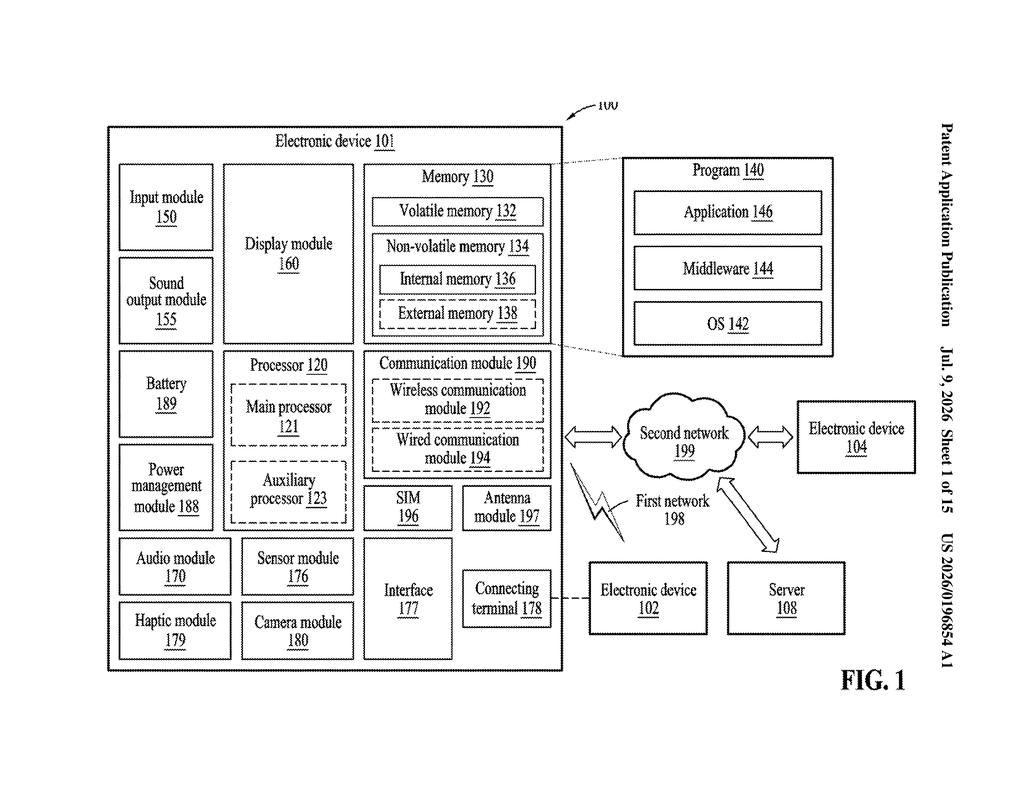
What Samsung's dual-battery switch system actually does
Imagine your phone has two separate batteries inside, like some foldable phones do. Normally, charging both at the same time in the right order takes careful coordination, and getting it wrong can slow things down or stress the batteries.
Samsung's patent describes a single switch that can redirect power from the charging port to either the device's main power line or directly to the second battery's charging circuit. That flexibility means the device can decide, on the fly, which battery gets power from the wall and which one draws from internal sources.
The result is a tidier, more controlled charging setup that doesn't require the hardware to always run power through the same fixed path. It's the kind of behind-the-scenes plumbing that rarely gets noticed, but can make a real difference in how quickly and efficiently a device charges.
How the switch routes power between two charging circuits
The patent describes an electronic device with two separate batteries, each connected to its own dedicated charging circuit. A power management chip sits at the center of the design, with three ports: one connected to the physical charging connector, one tied to the first battery and its charging circuit, and one connected to the system power line (the internal bus that powers the device's components during normal operation).
The key element is a first switch that controls where the second battery's charging circuit gets its power from. It can connect to either:
- The first port (the charging connector, meaning power from the wall or USB source goes straight to the second battery's charger)
- The third port (the system power line, meaning the second battery charges from internal power already flowing through the device)
This switchable path gives the device's power management logic more options. Instead of both batteries always competing for the same direct line from the connector, the system can stagger or redirect charging based on current conditions, like how much power is coming in, what the device is doing, or what the battery levels are.
The architecture is relatively straightforward in concept but meaningful in practice: it separates the charging paths enough that each battery can be managed more independently.
What this means for future Samsung foldables and tablets
Samsung makes several devices with two physical batteries, most its foldable phones (the Galaxy Z Fold series), which split battery capacity across two parts of the folding body. More flexible charging routing between those two cells could translate to faster overall charging, better thermal management, or longer battery lifespan over time, all things that foldable owners regularly complain about.
This patent won't make headlines on its own, but it's the kind of low-level hardware design work that feeds into shipping products. If Samsung is refining how power flows between dual batteries, that likely points toward continued investment in foldables or other multi-battery form factors like tablets with supplemental battery packs.
This is a routine power-management patent, not a headline feature. It solves a real engineering constraint in dual-battery devices, but there's nothing here that redefines what charging looks like for the average user. It matters if you care about Samsung's foldable hardware roadmap; it's easy to skip otherwise.
Get our take in your Top Stories
Liked this breakdown? Add Patentlyze as a preferred source on Google, and our plain-English take shows up more often in your Top Stories the next time Samsung patent news breaks.
There are more where this came from
We read every patent application Big Tech publishes and send you the ones worth knowing. Plain English, free, every week.
Want this weekly breakdown for a company we don't cover? Patentlyze Pro →