
Waymo Patent Teaches Self-Driving Cars to React to Hidden Pedestrians
A Waymo car approaching a blind corner can't see what's hiding around it, but a new patent lets the entire fleet pool what they've learned about that corner so every car arrives a little less surprised.
How Waymo's cars guess at hidden pedestrians
Imagine pulling up to an intersection where a parked delivery truck blocks your view of the sidewalk. You slow down and mentally prepare for a cyclist who might be about to cross, even though you can't see anyone yet. You're guessing based on experience: cyclists tend to appear here, they tend to move fast, they tend to be about this wide.
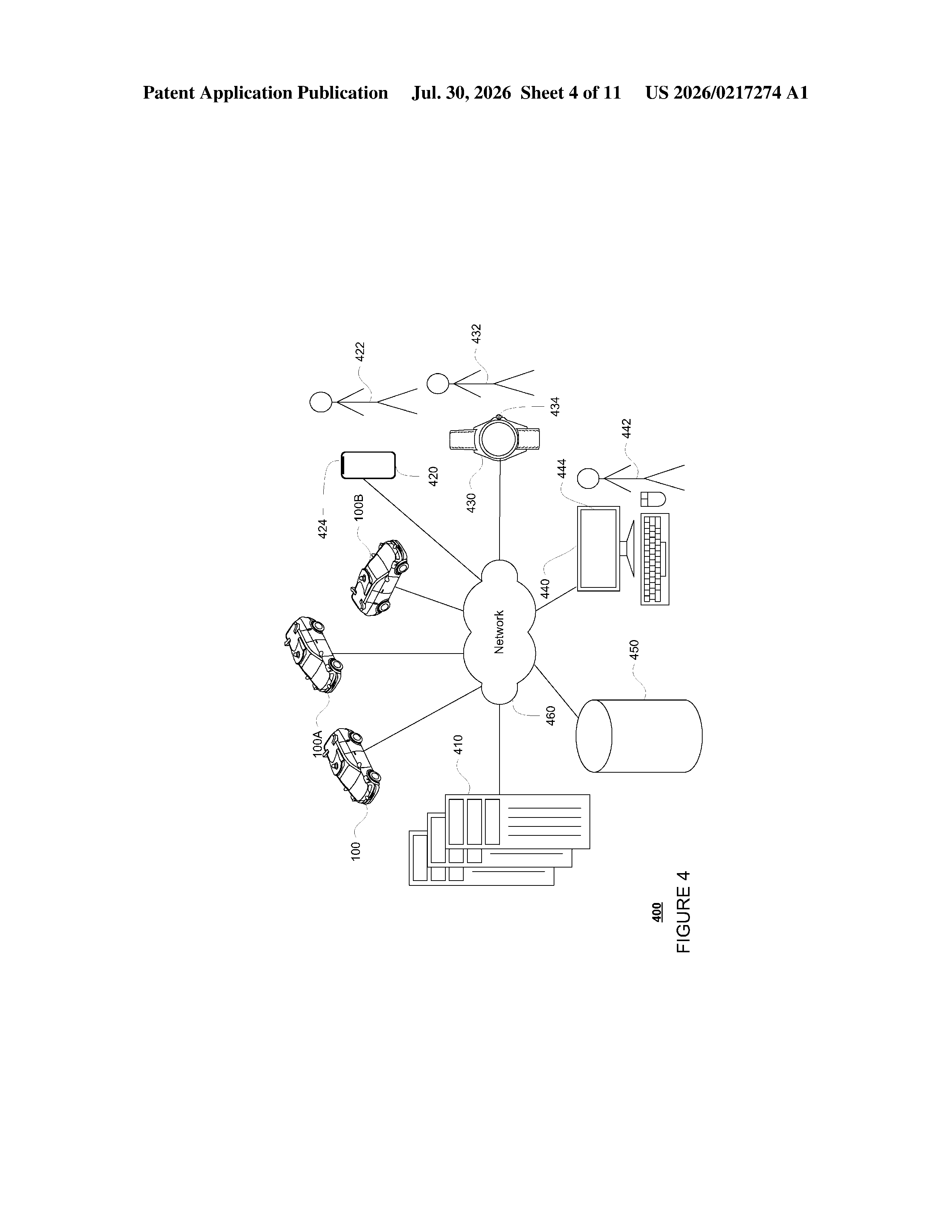
Waymo is essentially automating that habit for its self-driving cars. This patent describes a system where data from the whole Waymo fleet is used to build a statistical profile for every tricky spot on the map. If dozens of Waymo cars have seen fast-moving cyclists near a particular corner, that knowledge gets packaged and sent to every car that approaches that corner in the future.
The car then uses those numbers to imagine a hypothetical hidden person, complete with a realistic speed and size, and drives accordingly, even though no one is actually visible yet. It's the fleet's collective memory standing in for the driver's gut instinct.
How the fleet builds and shares hidden-object profiles
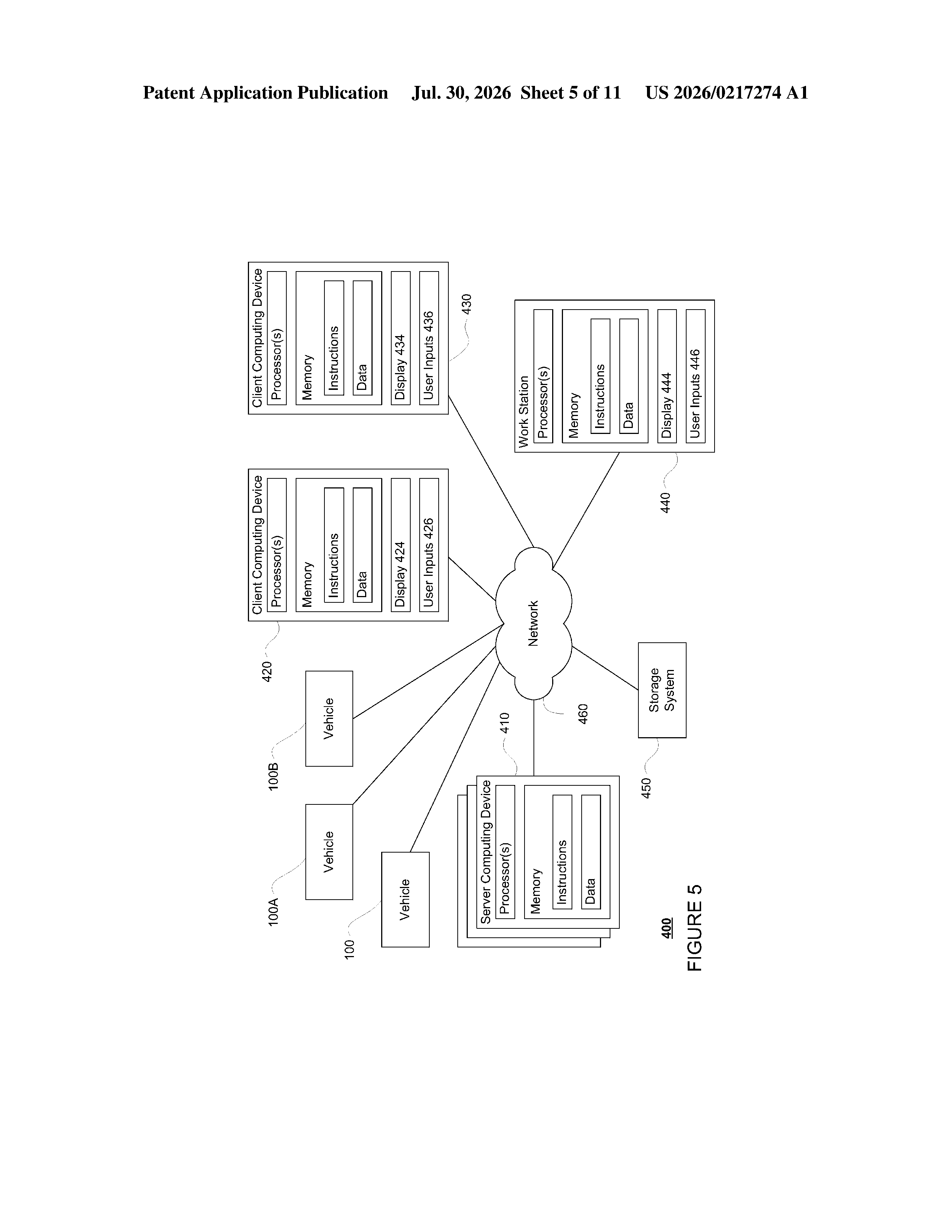
The patent describes a two-part system: a fleet-level data pipeline and a per-vehicle decision engine.
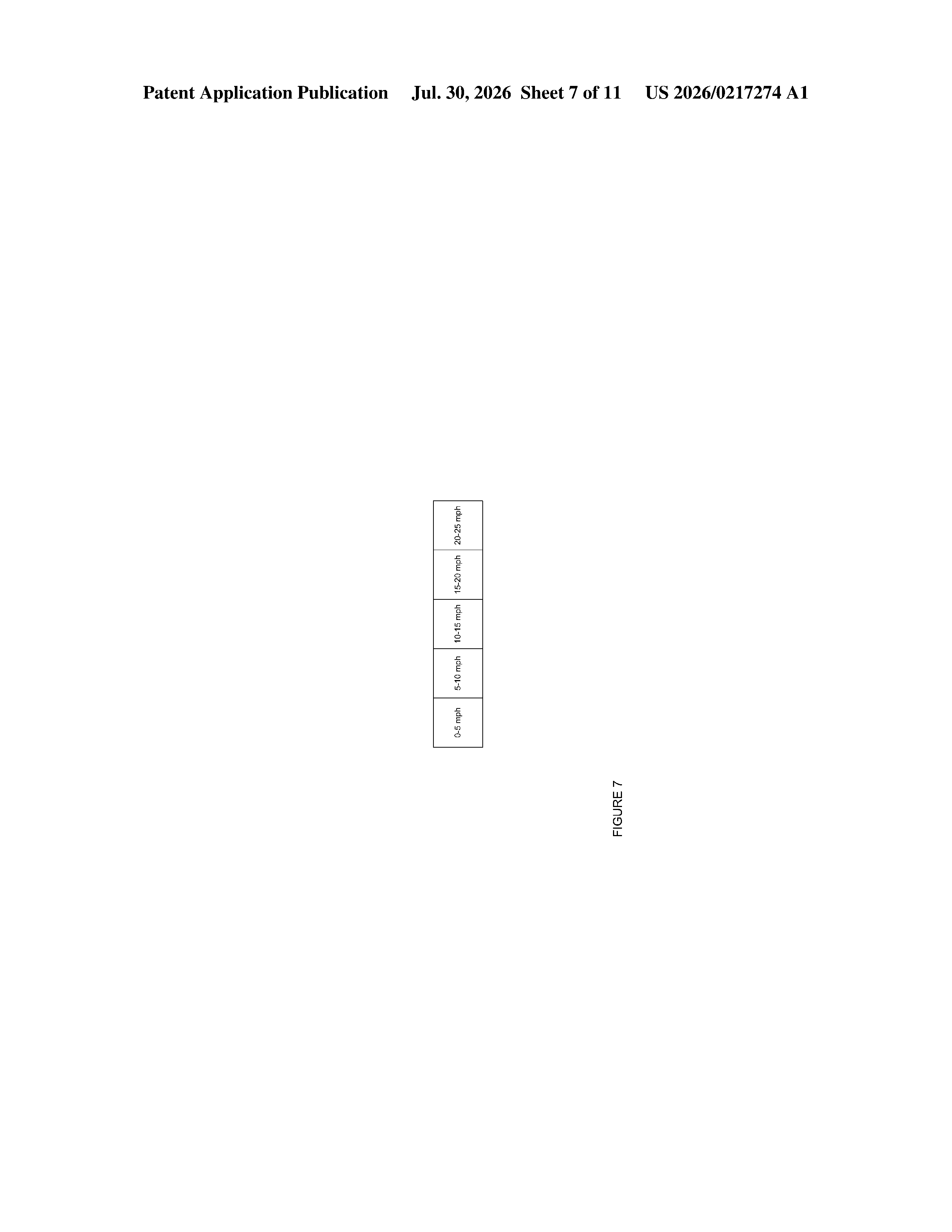
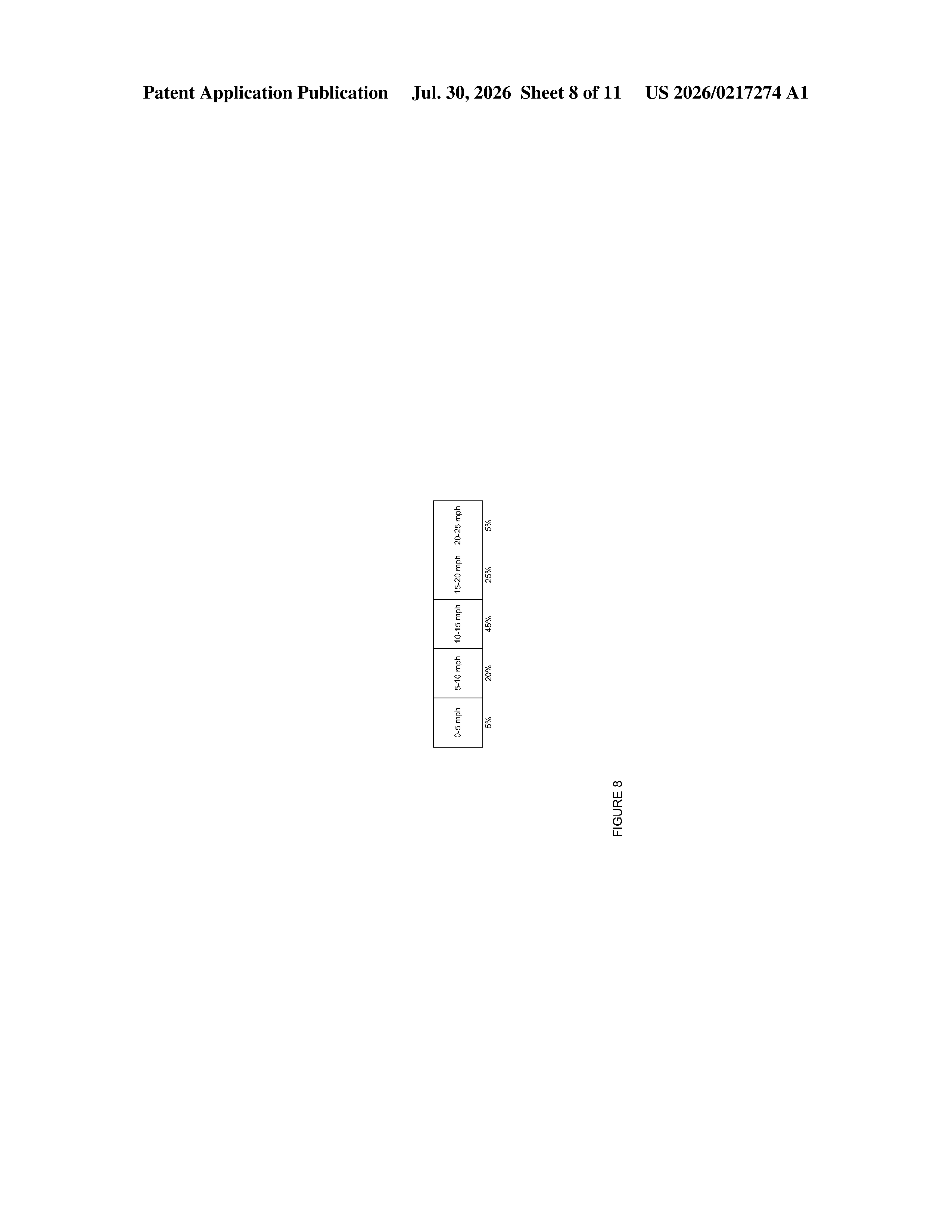
On the fleet side, a central system ingests sensor observations from many Waymo vehicles operating at the same geographic location over time. Each observation captures a characteristic of a detected road user, things like speed, size, or heading direction. The system then computes a statistical distribution (essentially a probability histogram: "at this corner, cyclists usually travel between 10 and 20 mph") for each characteristic at each flagged location.
On the vehicle side, when a car reaches a location where its sensors can't see around an obstacle, it queries the stored distribution for that spot. It uses those statistics to construct a hypothetical occluded road user, an imaginary pedestrian or cyclist with plausible attributes drawn from real-world observations. The car then plans its motion as if that hypothetical person exists.
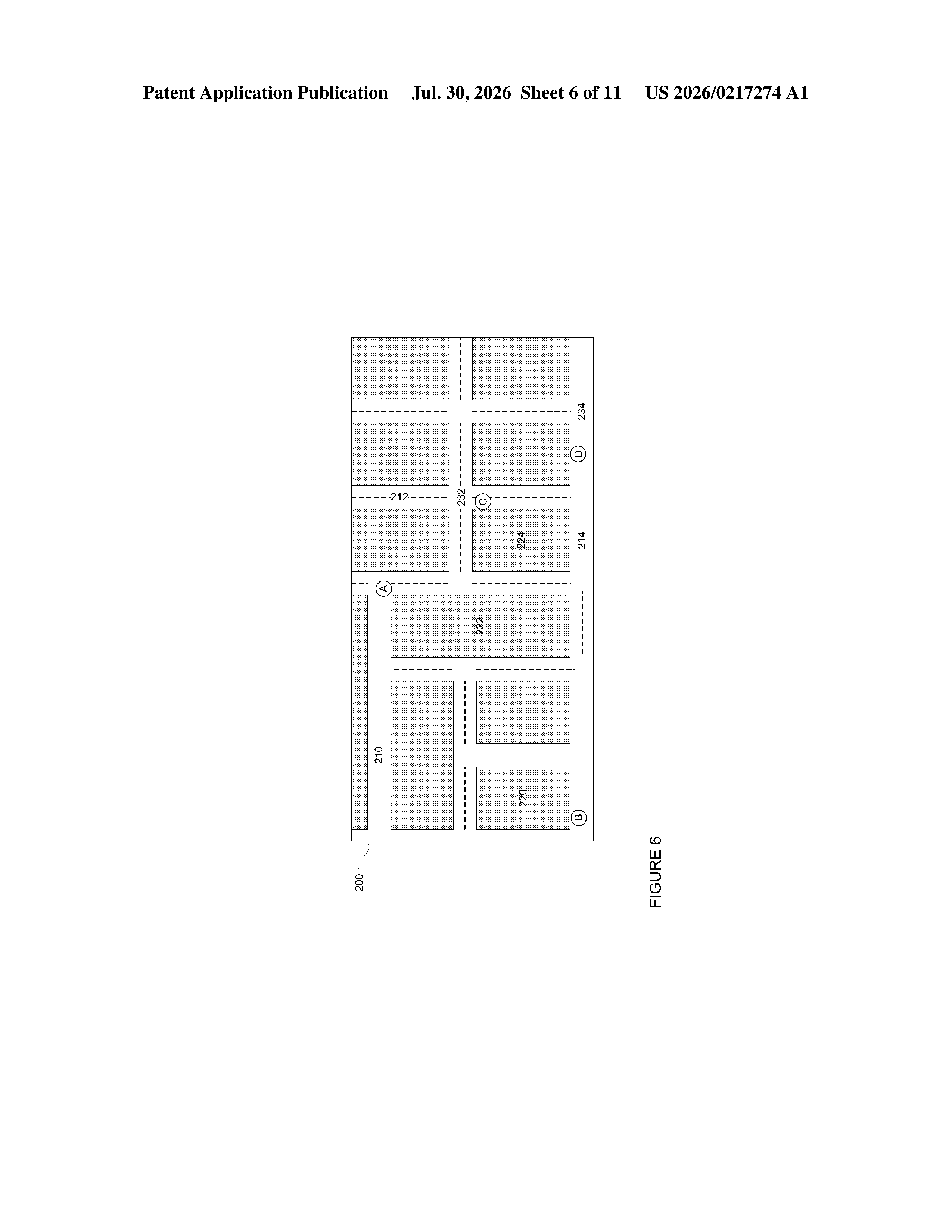
- Distributions are location-specific, so a school-zone corner gets different numbers than a highway on-ramp.
- The system covers any "road user," which the patent language implies includes pedestrians, cyclists, and other vehicles.
- The second vehicle doesn't need to have ever visited that location before; it inherits the fleet's prior experience automatically.
Why ghost-pedestrian logic is a big deal for robotaxis
Occlusion, when something blocks a sensor's line of sight, is one of the hardest problems in self-driving. Most current approaches either brake hard whenever visibility drops (uncomfortable and inefficient) or carry a fixed, generic assumption about what might be hidden (inaccurate). This patent points toward a third option: location-aware, data-driven caution calibrated to what the fleet has actually seen at that specific spot.
For passengers, this could mean a robotaxi that slows down a confident, appropriate amount at a known-risky blind corner rather than lurching or hesitating arbitrarily. For Waymo's competitive position, it's a direct use of the scale advantage that comes from running thousands of cars: the more miles the fleet logs, the better every individual car's intuition gets, even at locations it has never personally visited.
This is a genuinely thoughtful approach to a real problem. The insight that a fleet's collective sensor history can substitute for a single car's limited line of sight is the kind of thing that separates a mature self-driving program from a one-car experiment. Whether the distributions are rich enough to handle the full chaos of city driving remains to be proven, but the architecture is sound.
There are more where this came from
We read every patent application Big Tech publishes and send you the ones worth knowing. Plain English, free, every week.
The drawings
11 drawing sheets from US 2026/0217274 A1 · click any drawing to enlarge
Want this weekly breakdown for a company we don't cover? Patentlyze Pro →
Be the first to weigh in