
Sony Patents Technology to Save Battery by Slowing Parts of the Screen
Your phone's screen wastes energy refreshing parts of the image that aren't changing. Sony's new patent describes a way to slow down only those zones, leaving the busy parts running at full speed.
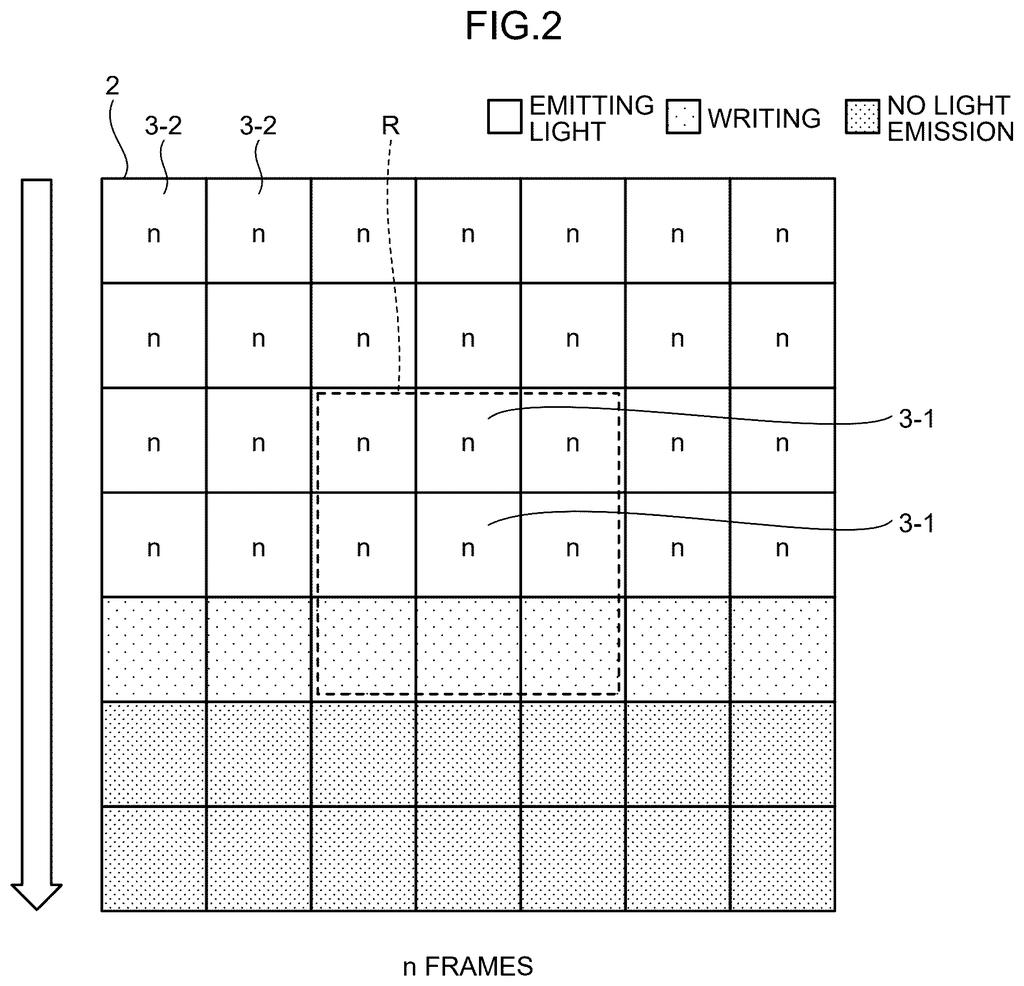
What Sony's zone-based refresh rate display actually does
Imagine you're reading an article on your phone. The text in the middle is completely still, but a video thumbnail in the corner is playing. Right now, most screens refresh every single pixel at the same rate, even the ones showing nothing new. That's a lot of wasted effort.
Sony's patent describes a display that divides the screen into blocks and gives each block its own refresh rate. A block showing a still image can be told to update far less often, while a block showing motion keeps refreshing quickly. The device's control system manages which block gets which speed.
The practical upside is power savings. If the screen isn't doing unnecessary work on static areas, the device draws less electricity, which can mean longer battery life or a cooler-running gadget.
How the control unit assigns refresh rates to pixel blocks
The patent covers a display panel divided into pixel blocks, each containing one or more individual pixels. A dedicated control unit manages the display and can assign different refresh rates to different blocks.
The core split described in the claims is between a first pixel block (running at a higher refresh rate) and a second pixel block (running at a lower refresh rate). In plain terms: part of the screen updates many times per second, another part updates less frequently.
- High-motion areas (like video playback or scrolling text) can be assigned to the faster first block.
- Static or slow-changing areas (like a status bar or background image) can be assigned to the slower second block.
- The control unit manages both blocks together so the display looks coherent to the viewer.
This kind of per-region refresh control is sometimes called partial display update in the display industry. The patent's framing is broad, covering the structural pairing of a panel divided into blocks with a controller that can differentiate their speeds.
What this means for battery life and display power draw
Displays are one of the biggest power consumers in phones, tablets, and wearables. Even technologies like OLED, which turns off dark pixels entirely, still burn energy refreshing static content at high rates. A display that can independently slow down quiet zones could meaningfully extend battery life in real daily use, particularly on always-on displays or e-reader-style applications.
Sony Semiconductor Solutions supplies display components to a wide range of device makers, so a patent like this isn't necessarily about a Sony-branded product. It could point toward component technology that ends up in cameras, AR headsets, medical monitors, or consumer electronics made by others. The breadth of the claim language suggests Sony wants to protect the general principle, not just one implementation.
This is a solid, pragmatic piece of display engineering rather than a headline-grabbing idea. Variable refresh rate by screen region is a genuinely useful direction for power efficiency, and Sony Semiconductor's component business gives this real commercial reach. That said, the patent's independent claim is written very broadly, which means it may face prior-art scrutiny given how widely explored partial-refresh techniques already are in the industry.
There are more where this came from
We read every patent application Big Tech publishes and send you the ones worth knowing. Plain English, free, every week.
The drawings
21 drawing sheets from US 2026/0221092 A1 · click any drawing to enlarge


Want this weekly breakdown for a company we don't cover? Patentlyze Pro →
Be the first to weigh in