
Samsung Patents a Fix for the Weak Spot Where Phone Screens Crack at the Cable
Flexible screens are only as good as the fragile ribbon cables connecting them to the rest of the phone. Samsung Display is patenting a small but specific fix for exactly the spot where those cables tend to fail.
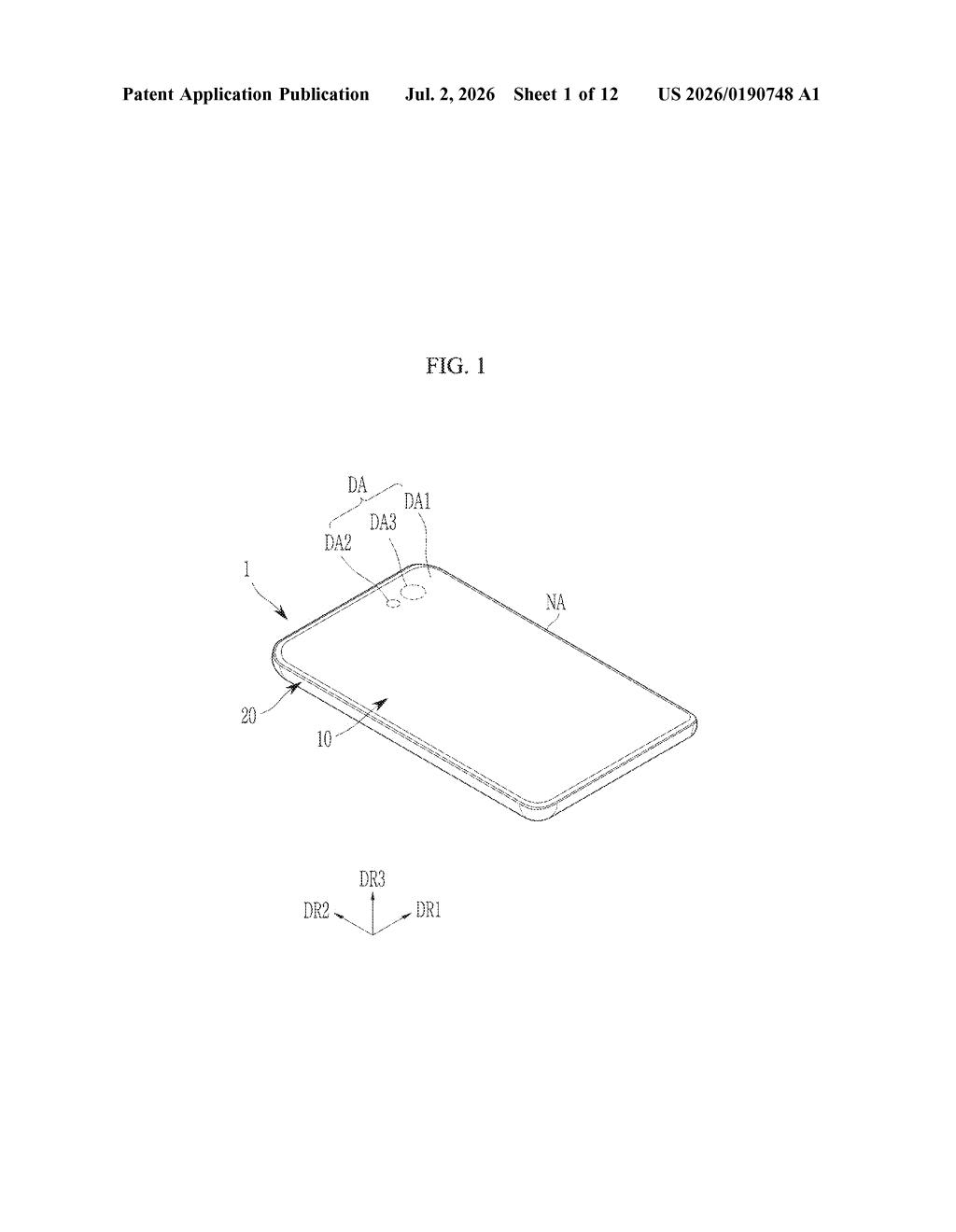
What Samsung's circuit buffer layer actually does for screens
Inside any modern display, a thin ribbon cable called a flexible printed circuit board carries signals between the screen and the phone's main electronics. The spot where that ribbon bends and meets the screen is a weak point: repeated flexing, pressure from assembly, or just everyday drops can crack it.
Samsung's patent adds a buffer layer, essentially a cushioning pad, placed precisely where the ribbon cable bends and overlaps the edge of the display panel. Think of it like the rubber strain-relief sleeve at the base of a phone charger cable. That little sleeve keeps the wire from kinking at the exact point where it takes the most stress.
The result is that the circuit board's most vulnerable bend sits on top of a soft buffer rather than hard panel glass. That should reduce cracking during manufacturing and over the lifetime of the device, particularly in thin or folding screens where every millimeter of internal space is carefully managed.
How the bent tail and buffer layer absorb stress
The patent describes a display device with three main elements working together: a display panel (the screen itself), a flexible printed circuit board (FPCB) (the ribbon cable connecting the screen to other components), and a buffer layer sandwiched between them at a critical location.
The FPCB is divided into three named regions:
- Body part: the main section where chips and passive components are mounted
- Pressing part: the edge strip that bonds directly to the display panel's pad area (the electrical contact zone)
- Tail part: a section that extends from the body and routes signals elsewhere in the device
The key claim is about the tail part's bent portion. When the FPCB is folded back under the display (as is common in slim phone designs), that bend point lands directly over the buffer layer. The buffer layer absorbs mechanical stress at that bend, preventing the circuit traces inside the ribbon from fracturing.
This is a geometry and materials engineering patent. The novelty isn't a brand new material or a new type of circuit board; it's the precise spatial relationship between the bend location and where the buffer layer is placed.
What this means for foldable and thin display reliability
Thin displays and foldable phones put enormous strain on internal flexible cables. Manufacturing defects at the FPCB bend point are a known cause of dead pixels and connectivity failures, and they're hard to detect until a device has already shipped. A well-placed buffer layer could reduce yield losses on production lines and extend how long a display keeps working in the field.
For Samsung Display, which supplies screens to Samsung's own phones as well as other manufacturers, even small improvements in display assembly reliability matter at the scale of hundreds of millions of units per year. This is quiet, incremental engineering, but the kind that improves the odds that the screen you buy still works perfectly two years from now.
This is a narrow manufacturing and assembly patent, not a consumer-facing feature anyone will ever notice by name. But display reliability is a real differentiator at scale, and Samsung Display has clear incentive to lock down specific assembly geometries before competitors do. Worth filing; not worth much excitement.
Get our take in your Top Stories
Liked this breakdown? Add Patentlyze as a preferred source on Google, and our plain-English take shows up more often in your Top Stories the next time Samsung patent news breaks.
There are more where this came from
We read every patent application Big Tech publishes and send you the ones worth knowing. Plain English, free, every week.
Want this weekly breakdown for a company we don't cover? Patentlyze Pro →