
Meta Patent Aims to Replace Touch Controls With Gaze-Tracking Smart Glasses
Meta wants its smart glasses to know what you're trying to do just by watching where your eyes go. No tapping, no talking, no waving your hands around.
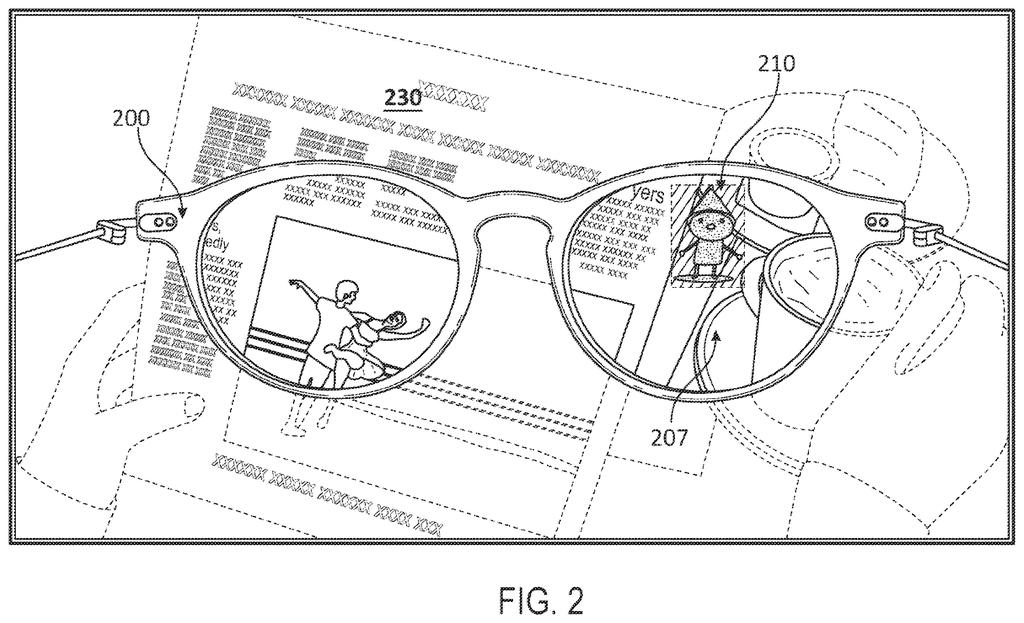
What Meta's eye-gesture app control actually does
Imagine putting on a pair of glasses that can tell you want to open your music app just because you glanced at its icon. That's the core idea in this Meta patent. The glasses track your pupil in real time and use that information to figure out what you're focusing on inside the display.
The system pairs what your eyes are doing (an "eye gesture," like a deliberate stare or a specific movement) with other motion signals to decide what you actually intend to do. If it's confident enough about your intention, it opens or activates the app for you.
This kind of interaction is important for glasses-style wearables because you can't easily reach up and tap a screen on your face. Eye-based control is one of the few natural input methods that works without any extra hardware or awkward hand movements.
How eye tracking translates a glance into an action
The patent describes a system running on a head-worn device (smart glasses) that combines two input signals to identify what a user wants.
The first signal is an eye-tracking signal that monitors pupil location in real time. From that raw data, the device infers an "eye gesture," which is a specific, recognizable pattern of eye movement (a sustained look, a deliberate shift in gaze direction, or a similar cue).
The second is a motional gesture, a movement of the user's head or body detected alongside the eye signal. By combining both, the system tries to assess user intention rather than reacting to every casual glance.
Once the system decides you meant to select or launch something, it activates the corresponding application in the glasses' UI. The practical goal is a completely hands-free interface where the natural act of looking at something is enough to interact with it.
- Eye-tracking signal captures pupil position
- Pattern recognition identifies a deliberate eye gesture
- Motion signal adds context to avoid false triggers
- Inferred intention activates the targeted app
What this means for hands-free AR glasses
For smart glasses, input is always a problem. Touchpads on the frame are fiddly, voice commands are awkward in public, and hand gestures look strange. Eye-based control sidesteps all of that by using something you're already doing: looking at things.
Meta is actively selling the Ray-Ban Meta glasses and has publicly discussed more capable AR displays further out. A reliable eye-gesture system would make those future devices far more usable in everyday settings, and it positions Meta to compete with Apple's Vision Pro, which already uses eye tracking as its primary input method.
This is a real and useful problem to solve, and the approach (pairing eye gestures with motion to filter intent) is sensible. That said, the first independent claim has been canceled, which is a meaningful red flag for how the patent office has received it so far. File this as directionally interesting for Meta's glasses roadmap, but not something to get excited about on its own.
There are more where this came from
We read every patent application Big Tech publishes and send you the ones worth knowing. Plain English, free, every week.
The drawings
7 drawing sheets from US 2026/0219731 A1 · click any drawing to enlarge


Want this weekly breakdown for a company we don't cover? Patentlyze Pro →
Be the first to weigh in